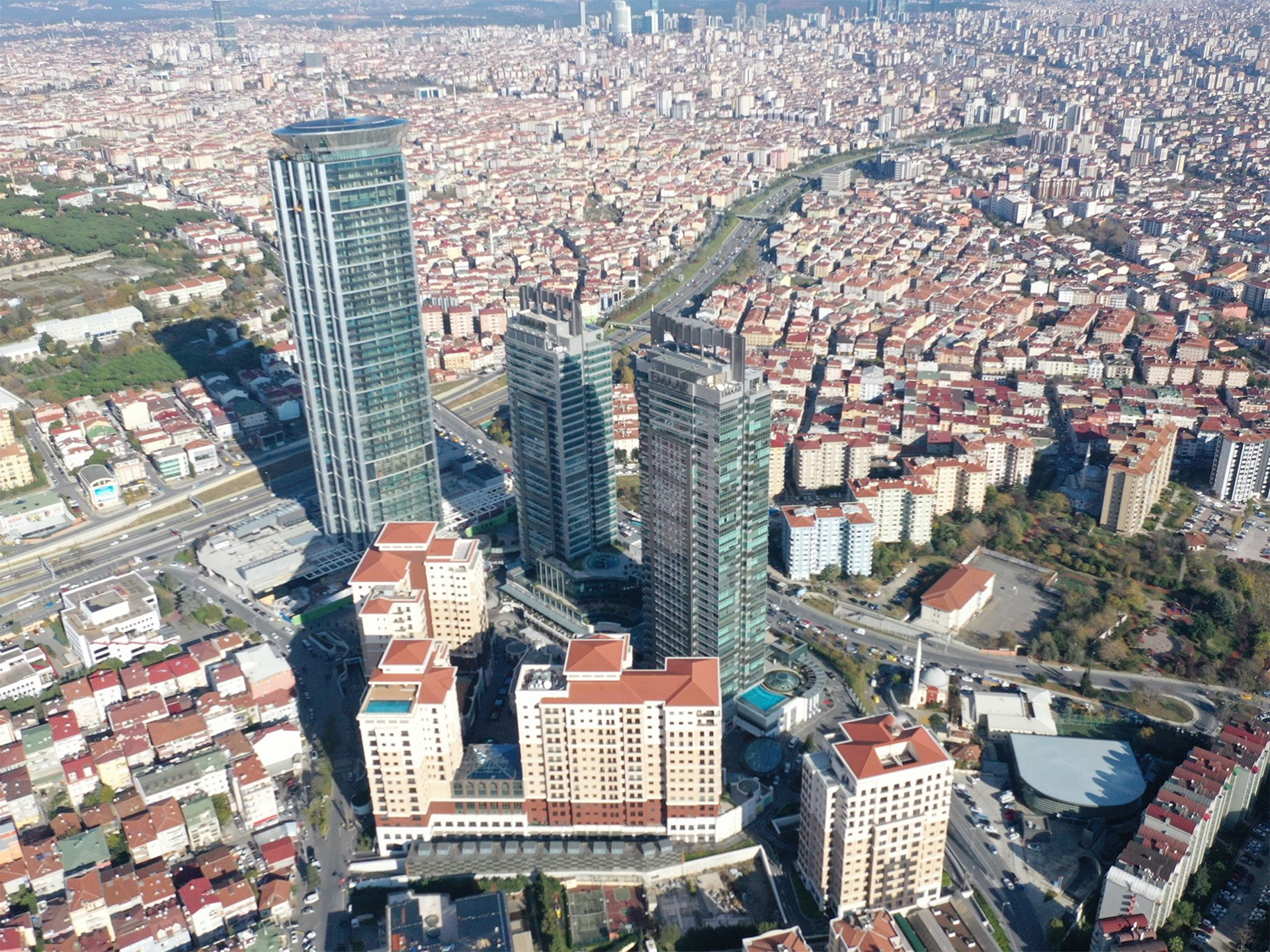
MIC-HUB provides mobility and accessibility consultancy services for complex buildings and large-scale developments, supporting architects, developers, public authorities and engineering firms in integrating mobility systems within high-density, high-footfall environments.
We shape the interface between architecture, mobility and the public realm. We design and coordinate everything that moves within and around major projects, transforming accessibility into a strategic asset and a defining component of spatial quality
MIC-HUB has extensive experience in complex mixed-use developments, office parks, shopping centres, tourism complexes and high-capacity mobility infrastructures, including airports, railway and metro stations, ports and intermodal hubs. We also support major attractors such as stadiums, theme parks, hospitals and conference centres.
These environments are characterised by:
• High pedestrian flows and footfall
• Multimodal transport interactions
• Operational and security constraints
• Significant urban and transport impacts
Our consultancy services cover all design stages, from concept design to detailed design. We provide:
• Mobility demand estimation
• Traffic and pedestrian modelling
• Crowd management and operational simulations
• Feasibility assessments and technical specifications
• Direct contribution to architectural and spatial design
Our expertise is embedded in BIM-based workflows and multidisciplinary coordination processes, ensuring seamless coordination with multidisciplinary teams. We develop comprehensive mobility strategies that address internal road systems, drop-off areas, parking facilities, cycling infrastructure and soft mobility networks, logistics and waste management, public realm design, wayfinding systems and access control solutions.
By integrating performance analysis, sustainability and spatial quality, MIC-HUB transforms complex building challenges into coherent, efficient and future-ready environments.
"Integrating mobility into complex architecture means designing movement, relationships and experiences. Every major attractor is a living composition of flows and functions. Our role is to orchestrate vehicles, pedestrians, logistics and services, transforming technical constraints into coordinated performance. We believe mobility is not an add-on to architecture, it is one of its most strategic layers. When accessibility is embedded in the architectural vision from the very beginning, even the most complex environments become clearer, more efficient and ultimately more human."
Complex Building Department Director
People Movement
Parking Design
Wayfinding
Logistics & Waste Management
Vertical Transportation
People Movement
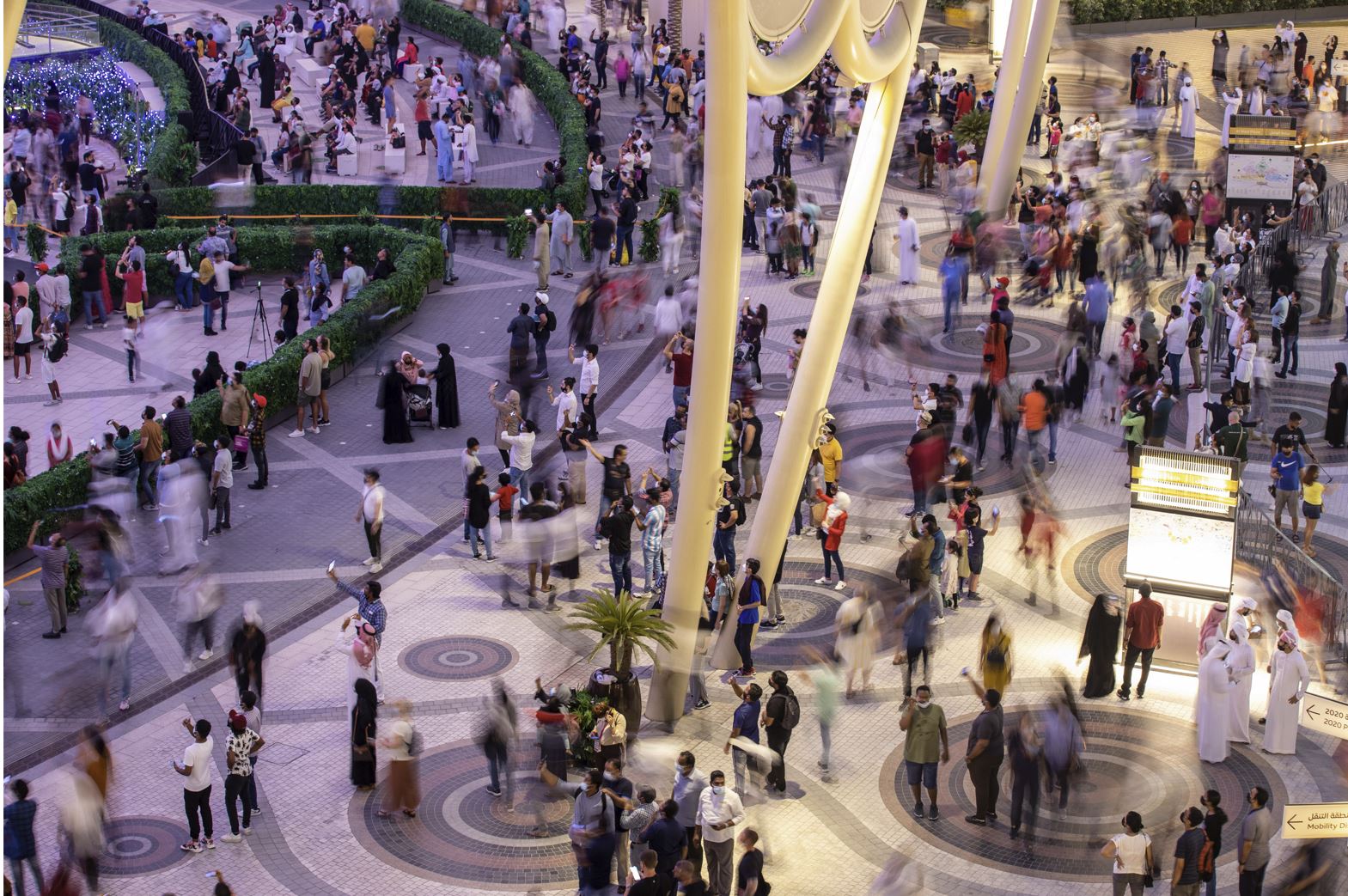
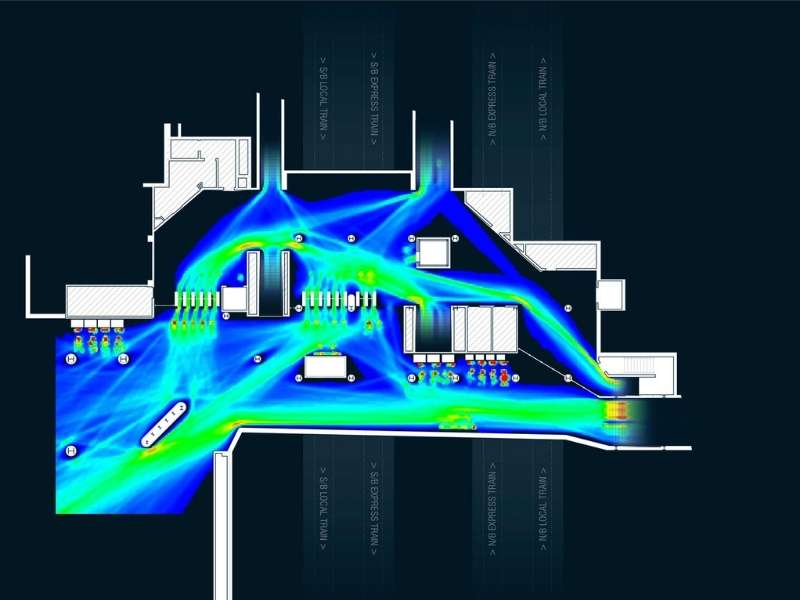
MIC-HUB has extensive experience in pedestrian and crowd movement studies, trip generation and footfall analysis, and uses the latest specialist software to assess and simulate the pedestrian environment inside complex buildings and in urban contexts.
Crowd movement is a critical component to the overall visitor experience when attending a major event or accessing a transport infrastructure.
Crowd management, as a specific service of the transport planning and engineering industry, represents one of the most challenging and rapidly evolving fields.
Read moreInterpreting people behaviour can also contribute to the development of retail streets, inform the placement of billboards and other advertising and addresses the overall wayfinding requirements.
With an increasing worldwide focus on walkable cities, pedestrian modelling has become an essential activity for MIC-HUB. With over 15 years’ experience in the field, the MIC-HUB team provides an understanding of the phenomenon using the most advanced modelling tools.
Read lessPedestrian Modelling
Footfall Analysis
Transport plan studies
Demand forecasting
Crowd management
See the projects
![[:en]Milano Central Station Pedestrian Simulation[:it]Analisi dei flussi pedonali della Stazione Centrale di Milano[:]](https://www.mic-hub.com/wp-content/uploads/2018/11/MIC-HUB_StazioneCentraleMilano_Pedestrian02.jpg)
![[:en]Yandex Campus Moscow[:it]Yandex Campus Mosca[:]](https://www.mic-hub.com/wp-content/uploads/2021/12/Simulation-model.jpg)
Parking Design
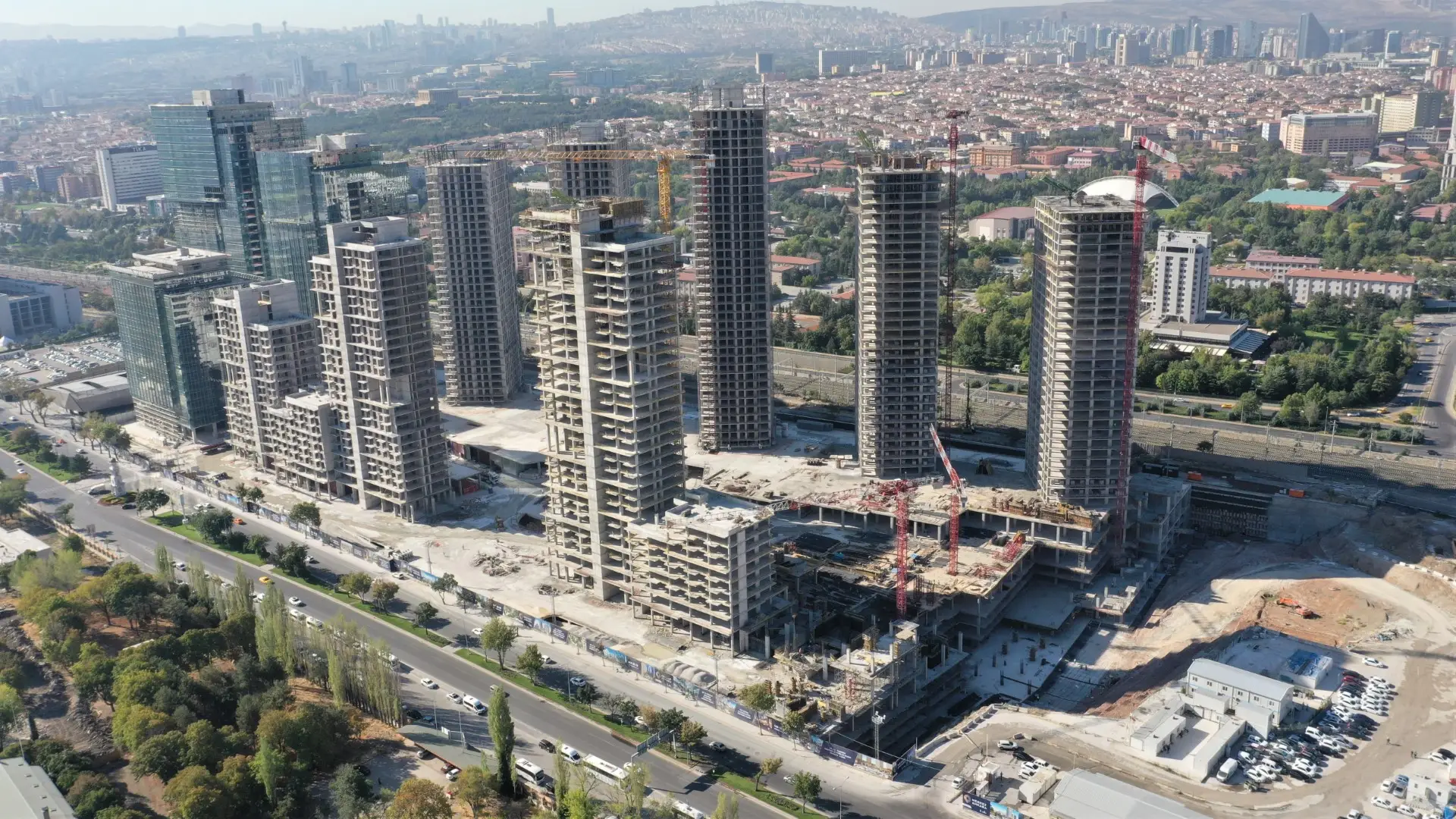
Parking is a strategic component of complex developments and mobility hubs. Beyond providing capacity, it must ensure safety, efficiency, flexibility, and seamless integration with surrounding functions. MIC-HUB offers comprehensive parking consultancy services, from feasibility studies to detailed design, optimizsing every aspect of parking infrastructure.
Our services include:
Optimised parking layout design, ramp systems, structural grids, and circulation patterns, based on demand analysis, level of service, and turnover assessments to ensure precise capacity calibration.
Design of underground, surface, and multi-storey parking structures, integrating smart parking technologies, navigation systems, and EV charging infrastructure.
Focus on pedestrian safety, natural lighting, and clear orientation within parking environments to improve user experience.
Design and coordination of access control and revenue management systems, including license plate recognition, dynamic tariffing, and real-time occupancy monitoring, ensuring seamless entry/exit flows and optimized operations.
By aligning functional performance with architectural excellence, we transform parking facilities into future-ready, user-friendly infrastructures.
Read lessDefinition of layouts and ramp systems
Structural grids
Demand analysis and level of service
Access control
See the projects
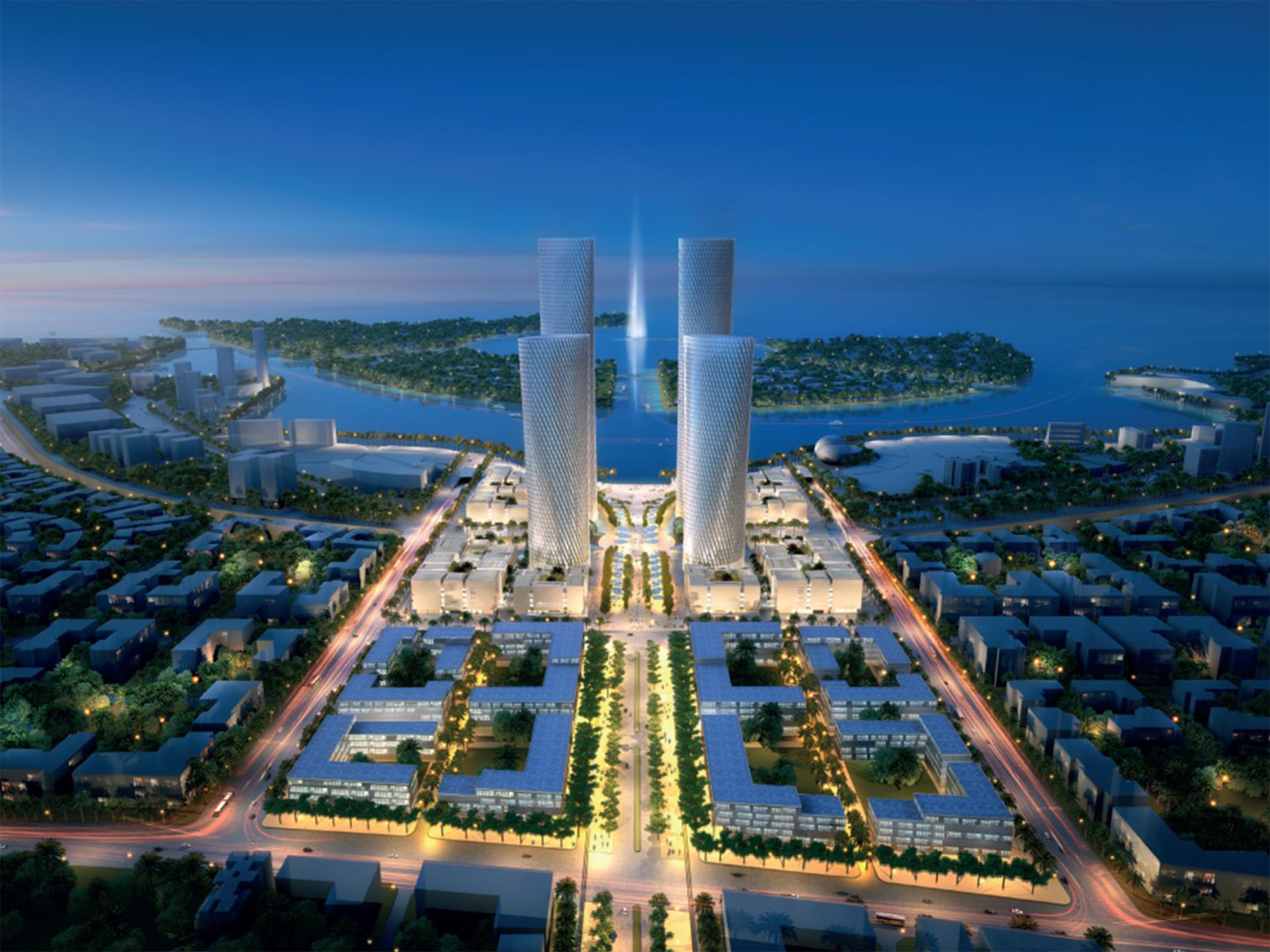
![[:en]Varesine Business District, Milan[:it]Varesine Business District, Milano[:]](https://www.mic-hub.com/wp-content/uploads/2011/12/11vpn_i_01.jpg)
![[:en]Yandex Campus, Moscow[:it]Yandex Campus, Mosca[:]](https://www.mic-hub.com/wp-content/uploads/2021/12/Yandex-Campus04.jpg)
Wayfinding
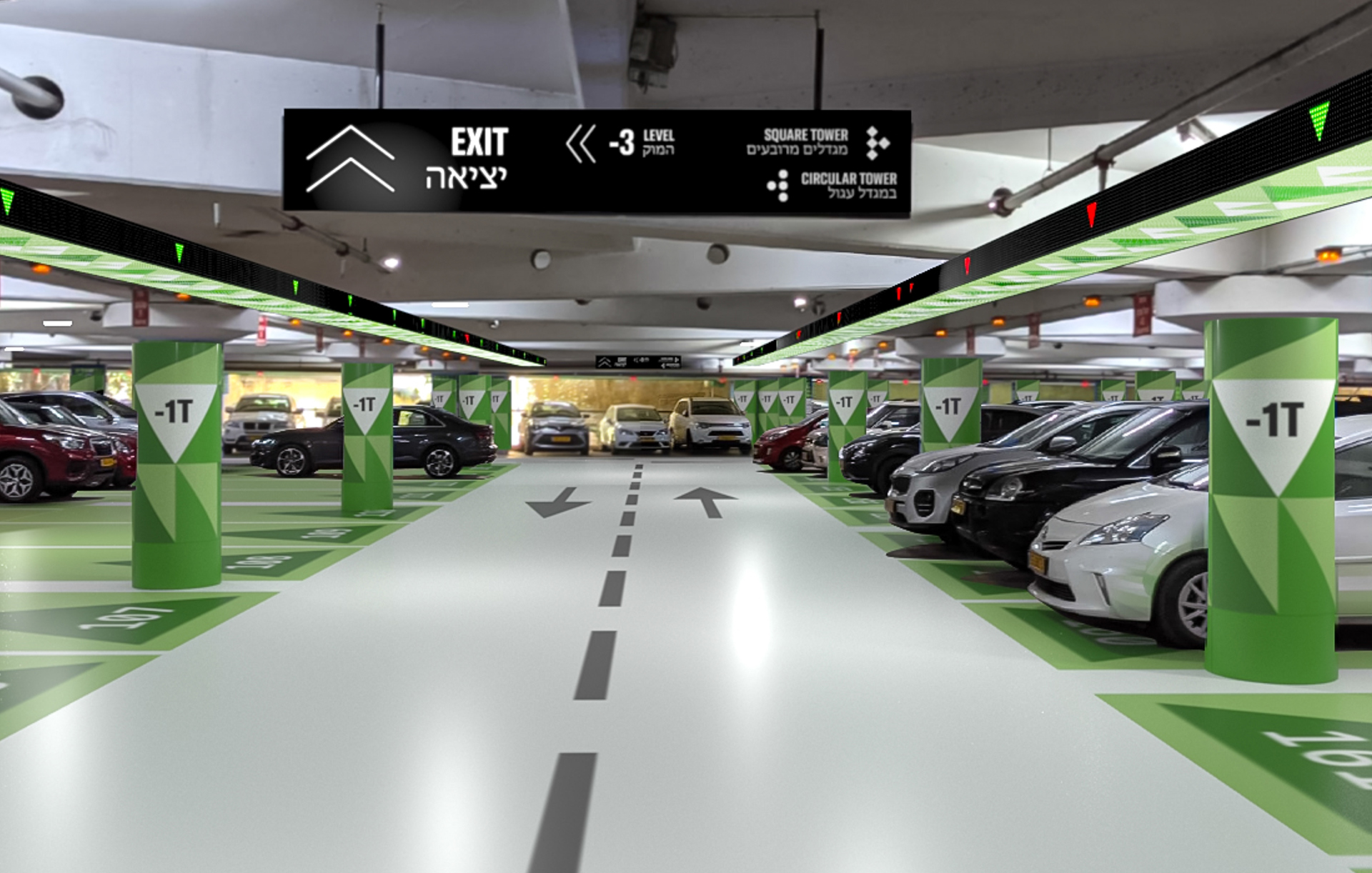
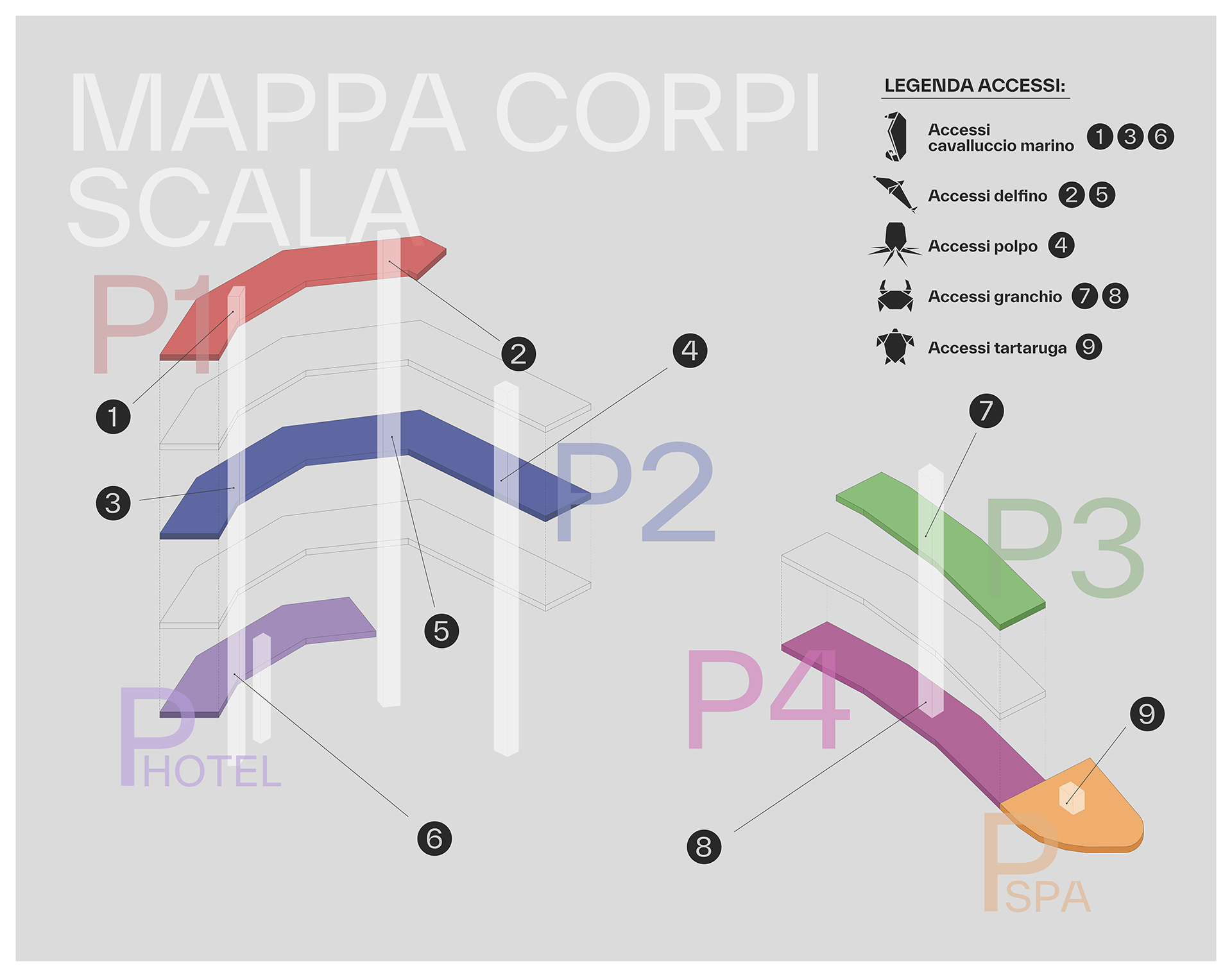
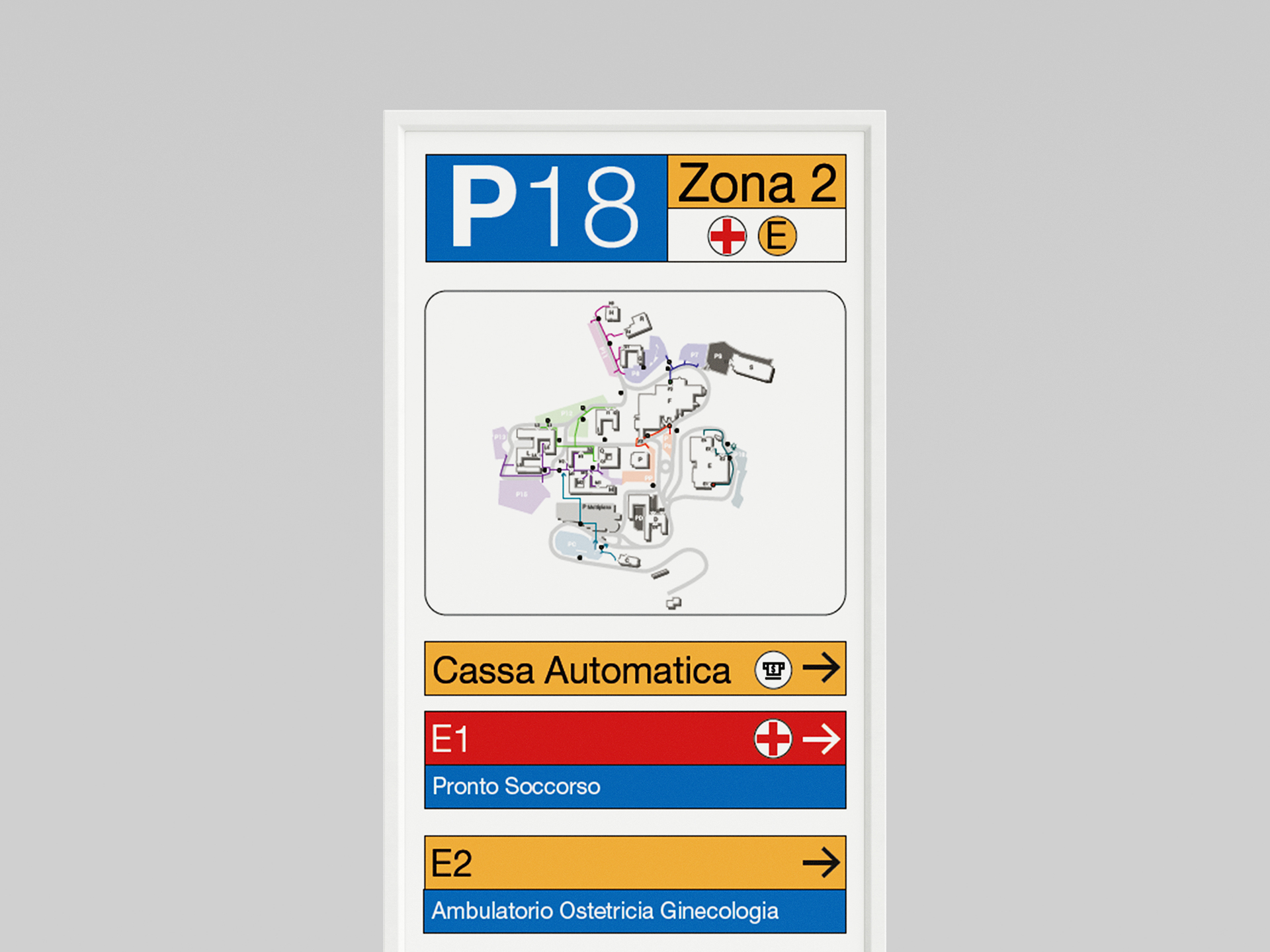
Wayfinding systems play a crucial role in helping people navigate complex environments safely, efficiently and intuitively, translating architectural complexity into intuitive user experiences.
At MIC-HUB, wayfinding is incorporated into every project from the earliest stages. We analyse how people move through spaces - whether walking, cycling, driving or using public transport - to design navigation systems that support users throughout their journey and ensure the efficient organisation of pedestrian flows and movement systems within complex environments.
Our approach combines spatial hierarchy, architectural cues, signage systems and digital navigation tools to create legible and intuitive environments. The process begins with analysing pedestrian flows and mapping user journeys, identifying decision points and analysing potential conflicts between different movement systems and circulation flows.
Read moreWe develop comprehensive wayfinding strategies that extend across indoor and outdoor environments, integrating:
• signage and orientation systems
• spatial and architectural cues
• digital mapping platforms
• real-time information displays
• mobile-based navigation tools.
From conceptual orientation strategies to detailed signage specifications, MIC-HUB ensures consistency across all project scales. By integrating wayfinding within architectural and mobility design from the outset, we create environments that are legible, inclusive and easy to navigate, improving both user experience and operational performance in high-footfall and complex building environments.
Read lessMasterplan & guidelines
Digital wayfinding
Architectural integrations
Interactive solutions
See the projects

Logistics & Waste Management
Efficient logistics and waste management systems are essential for the smooth operation of complex buildings and large-scale mixed-use developments. At MIC-HUB, we provide logistics and service circulation consultancy to organise service flows, deliveries and waste management systems while preserving the quality and usability of public spaces.
Service logistics flows must be carefully organised to avoid conflicts with public circulation and to maintain high standards of safety, hygiene and operational efficiency. Our work focuses on designing clear and efficient service circulation systems that separate operational activities from visitor and pedestrian movements.
Read moreWe design loading bays, service corridors, delivery yards and waste collection areas, carefully analysing vehicle types, manoeuvring requirements, delivery frequencies and operational peaks. Our solutions optimise service routing and ensure a clear separation between front-of-house and back-of-house operations within complex developments.
We also develop access control strategies for service areas, defining vehicle authorisation protocols, time-slot management systems and monitoring tools that regulate and trace all logistics movements within the development.
Fully integrated within BIM workflows, our designs coordinate spatial, structural and MEP constraints from the earliest project stages. By rationalising logistics processes and optimising space allocation, we improve operational performance while protecting the quality, safety and functionality of public and commercial areas.
Read lessBack-of-House Logistics
Service Flow Planning
Logistics Planning for Complex Developments
Waste Management Systems
Loading Bays
Delivery Yards
See the projects
Vertical Transportation
Vertical transportation systems are a strategic layer of mobility within complex buildings. Elevators, escalators, moving walks and service lifts must not only provide capacity, but also support intuitive, efficient and comfortable people movement across different levels and functions.
Our approach is fully integrated with pedestrian analysis and People Movement studies. We begin with a detailed understanding of demand, user profiles, peak times and spatial behaviour. This enables us to evaluate how people actually move through the building, as well as the interaction between vertical systems and entrances, public spaces, circulation routes, retail areas, transport connections and back-of-house operations.
Read moreBy combining demand forecasting, pedestrian modelling and operational assessment, we define optimised vertical transportation strategies that support both performance and spatial quality. Our consultancy services cover traffic analysis, system sizing, technology selection, definition of technical specifications and operational scenarios for elevators, escalators and other vertical mobility systems.
Using specialised simulation software, we evaluate system performance under different demand conditions and provide measurable KPIs such as handling capacity, waiting times, journey times, occupancy levels and service quality targets. This enables us to calibrate the number, location and hierarchy of vertical connections, ensuring that infrastructure is dimensioned around real mobility needs, aligned with operational requirements and fully coordinated with the architectural vision.
Read lessElevator and escalator planning
Vertical mobility strategy
System sizing and capacity assessment
Waiting time and journey time analysis
Passenger flow optimization across levels
See the projects
![[:en]Caselle Shopping & Leisure Village, Turin[:it]Caselle Shopping & Leisure Village, Torino[:]](https://www.mic-hub.com/wp-content/uploads/2019/06/CaselleTorino_pedestrian-model.jpg)
![[:en]Grand Paris Express[:it]Grand Paris Express, Parigi[:]](https://www.mic-hub.com/wp-content/uploads/2021/12/424_Journey-time-comparison.png)