New north-west access point opens in Ferrara
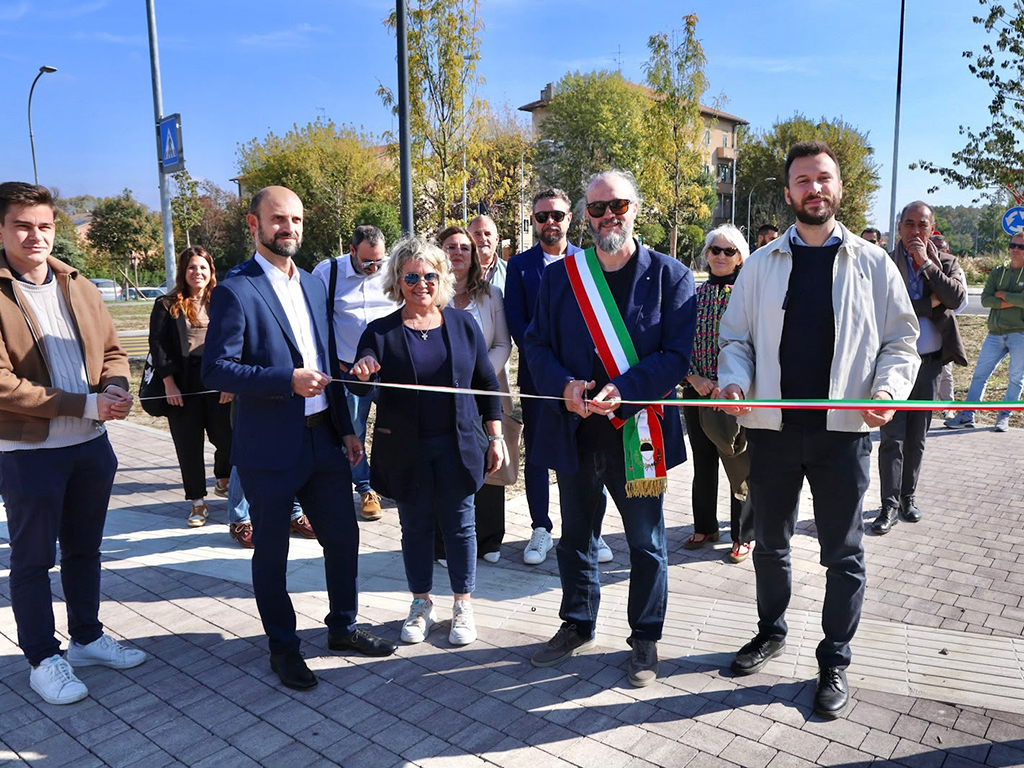
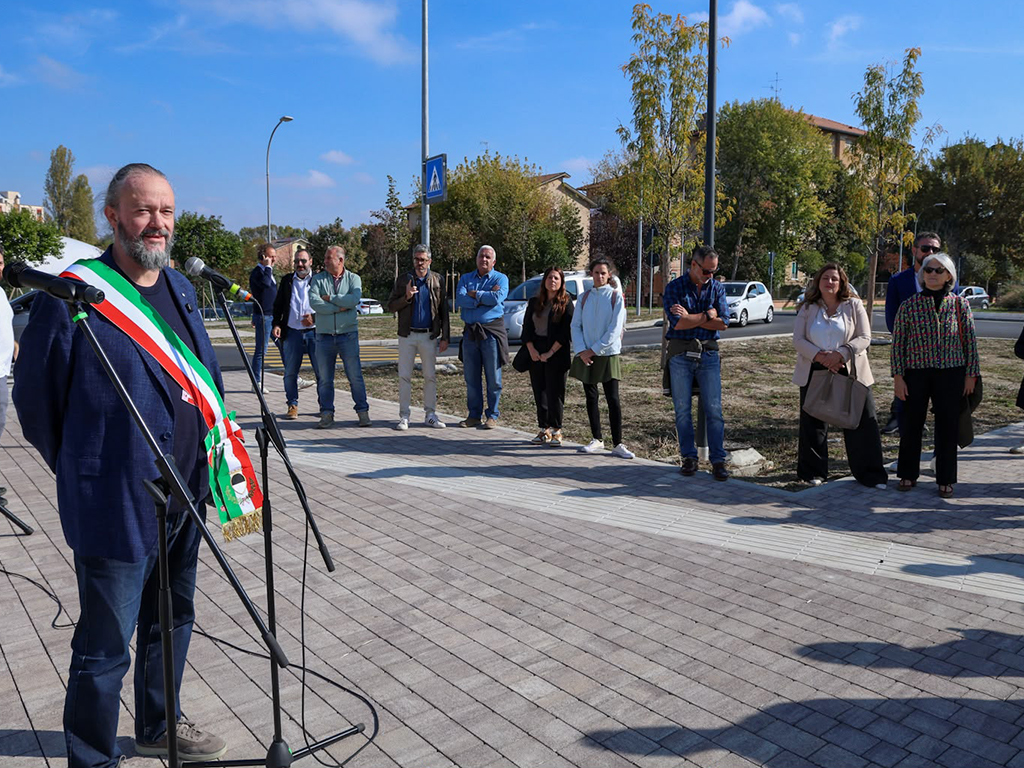
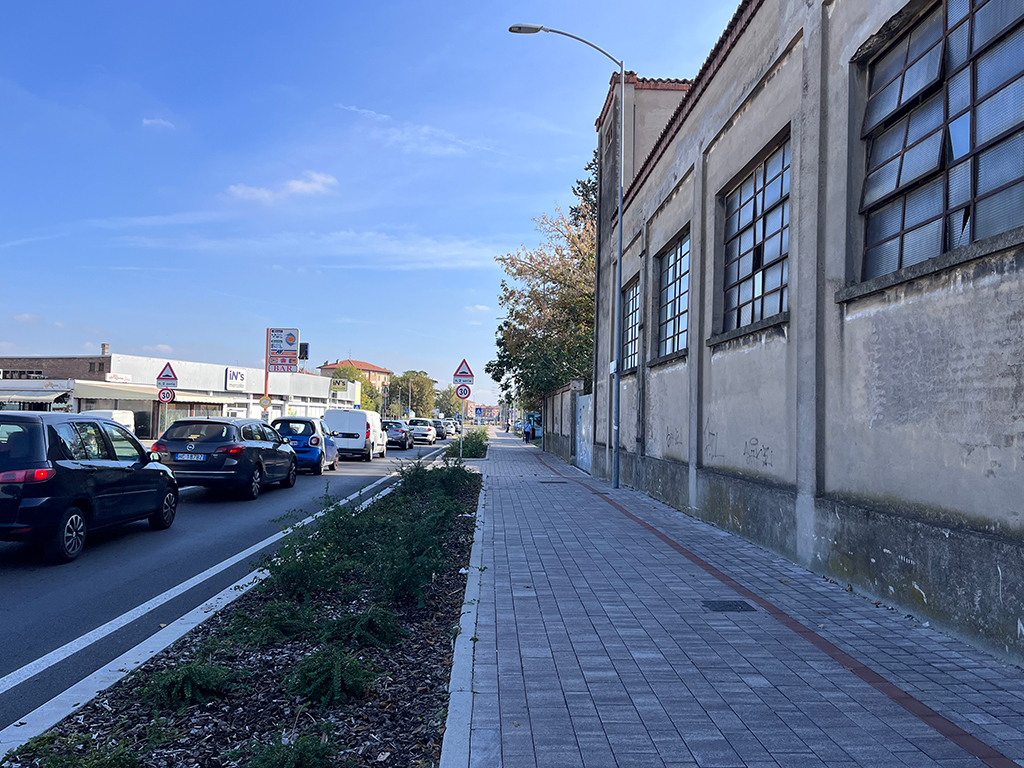
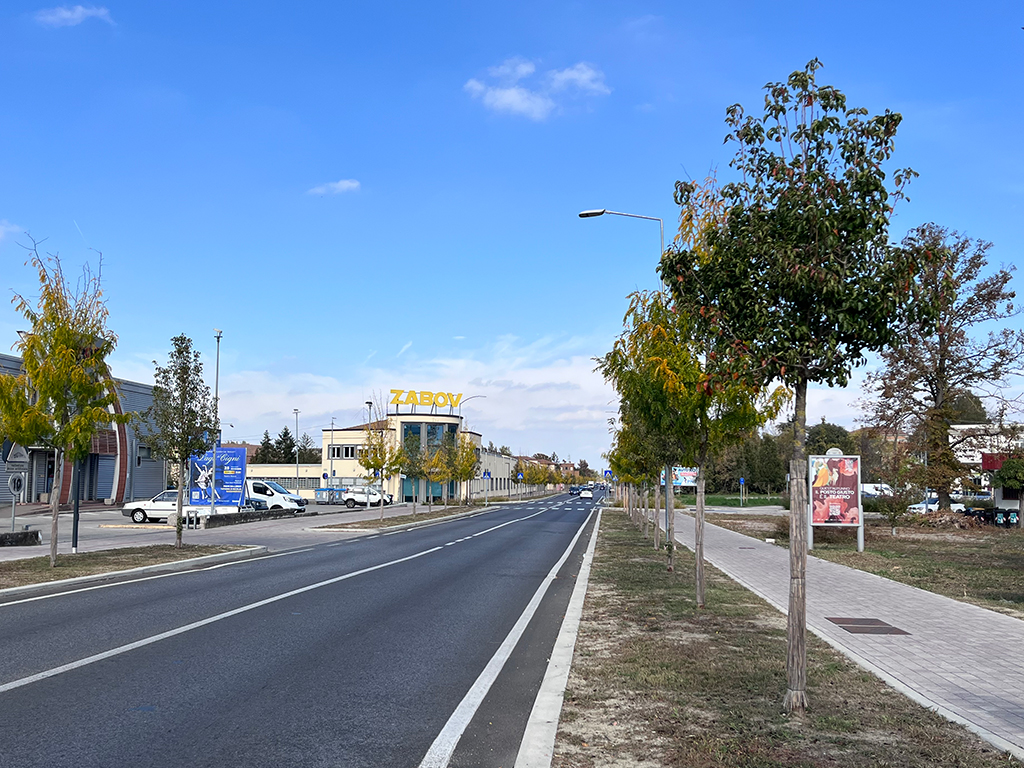
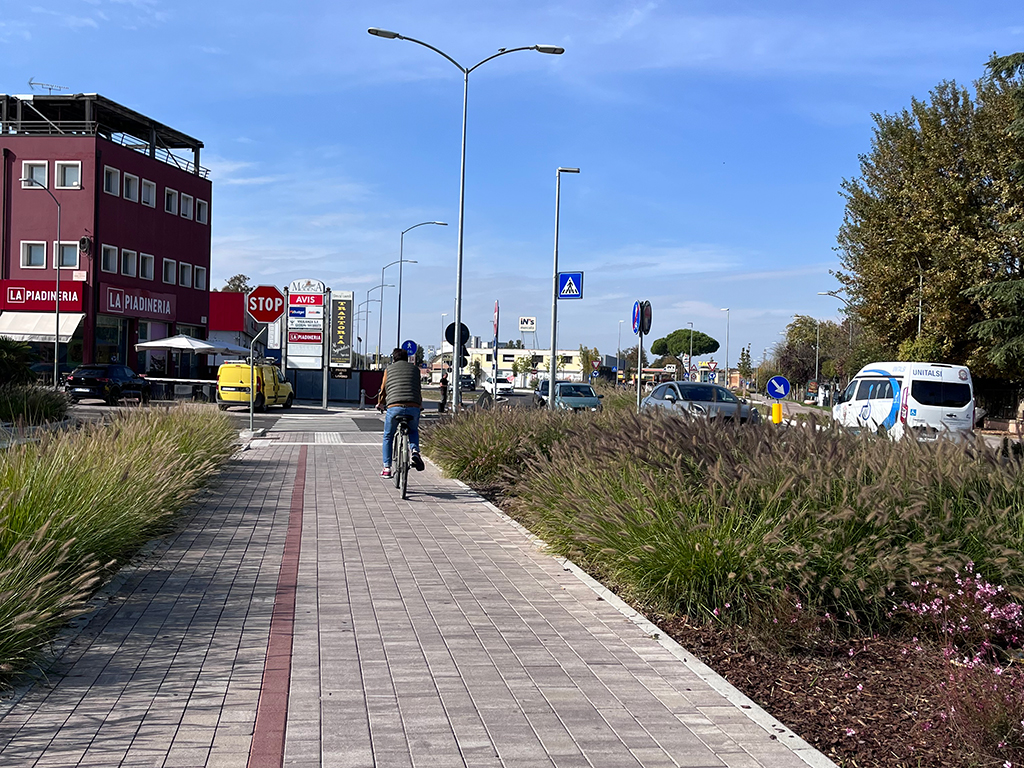
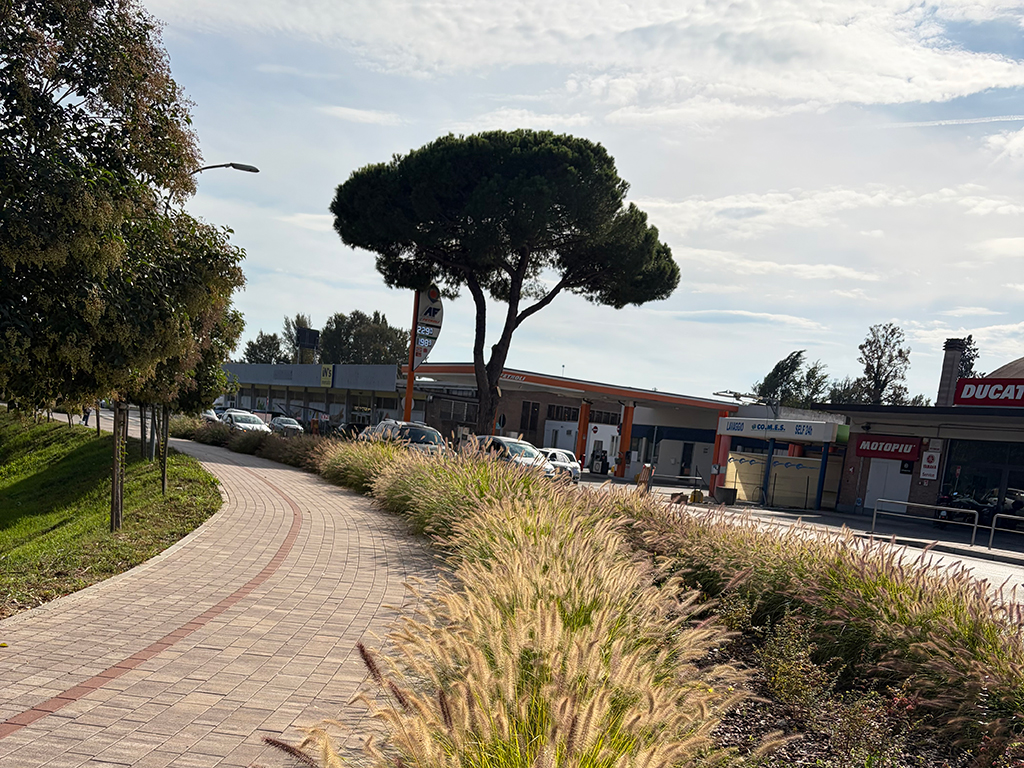
Ferrara’s new north-west access point has now opened. This major urban regeneration and infrastructure project has transformed one of the city’s main entry points, enhancing accessibility, safety and the quality of its public spaces.
Funded through the Italian National Recovery and Resilience Plan (PNRR), the project covers the area between Via Modena, Viale Po, Via Marconi and Via del Lavoro. Its aim is to improve connections between the north-western district and the city centre while promoting more sustainable and inclusive mobility.
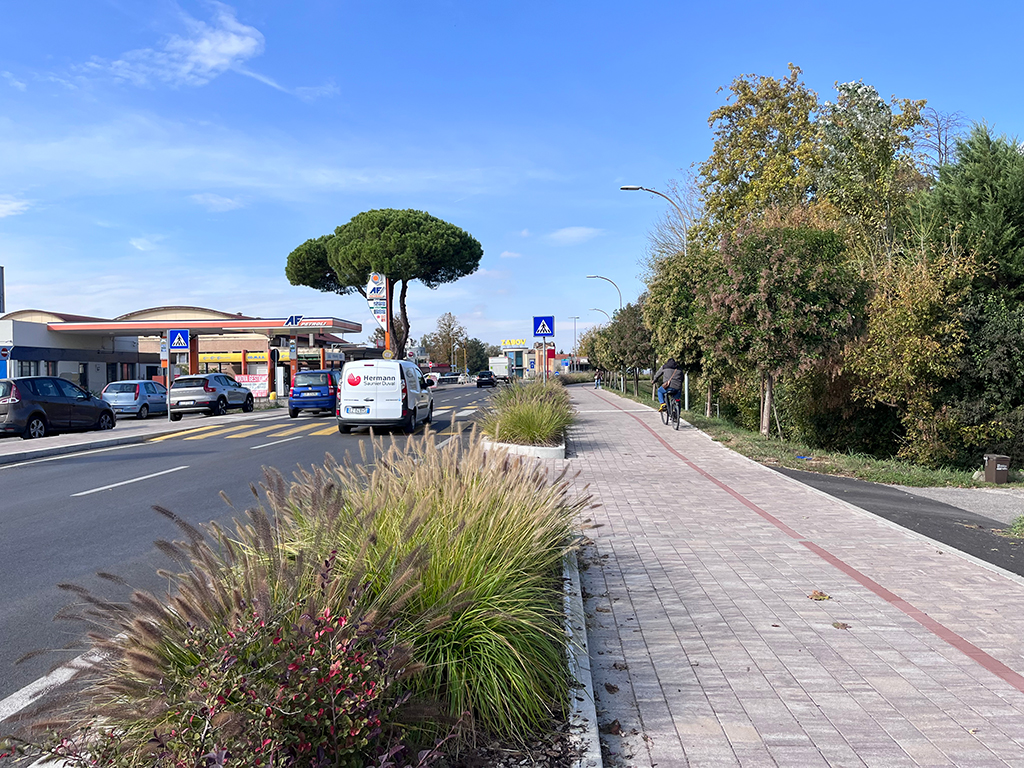
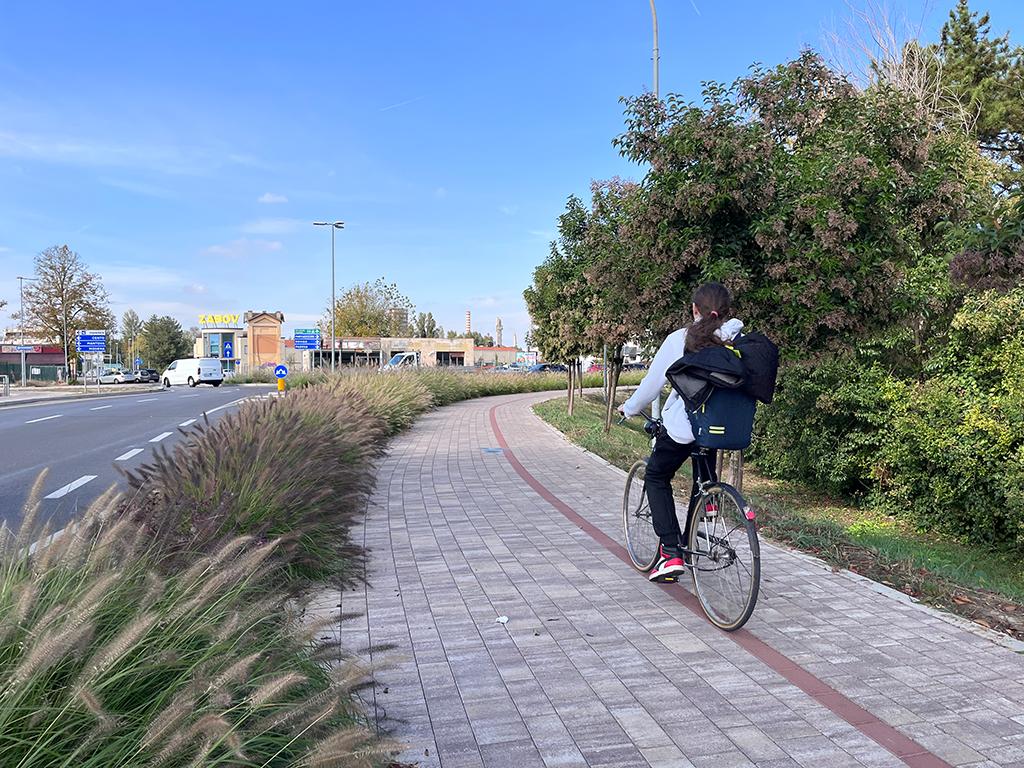
It involved a comprehensive reorganisation of the road network, including the construction of two new roundabouts, the expansion of the cycle and pedestrian network, the regeneration of green spaces, and improvements to public lighting.
The regeneration of the disused railway embankment along Via Marconi has significantly transformed the area, introducing a cycle and pedestrian route, flanked by trees, which connects the neighbourhood to the city centre and provides an enjoyable space for active travel.
The project takes an integrated approach to mobility and public spaces, making safer travel, people’s comfort and environmental quality central elements of urban design. The adopted solutions, ranging from permeable paving to the selection of plant species, help to make the spaces more sustainable and adaptable to climate conditions.
The project was developed by a design team led by MIC-HUB, in collaboration with Studiosilva of Bologna (agronomic and environmental aspects), CST of Parma (geotechnical and acoustic aspects) and Stain of Trento (public lighting).
All aspects of the work were carried out through ongoing consultation with the council’s technical departments. This process began with a broad-scale urban vision and progressed through transport assessments, ensuring attention to detail across all disciplines.
The new north-west access point is an example of the redevelopment of a key junction in Ferrara’s road network. It offers the framework for a truly sustainable regeneration of the entire neighbourhood, by providing connecting spaces to future gardens which should replace the old petrol station area, benefiting both residents and visitors to the city.
In this project, mobility plays a key role in restoring the urban fabric, improving quality of life in neighbourhoods and creating a more accessible, connected and sustainable city.