City Futures - Research Lab
City Futures is the research and innovation unit at MIC-HUB, established to stay attuned with the constant changes and increasing complexity of the mobility world.
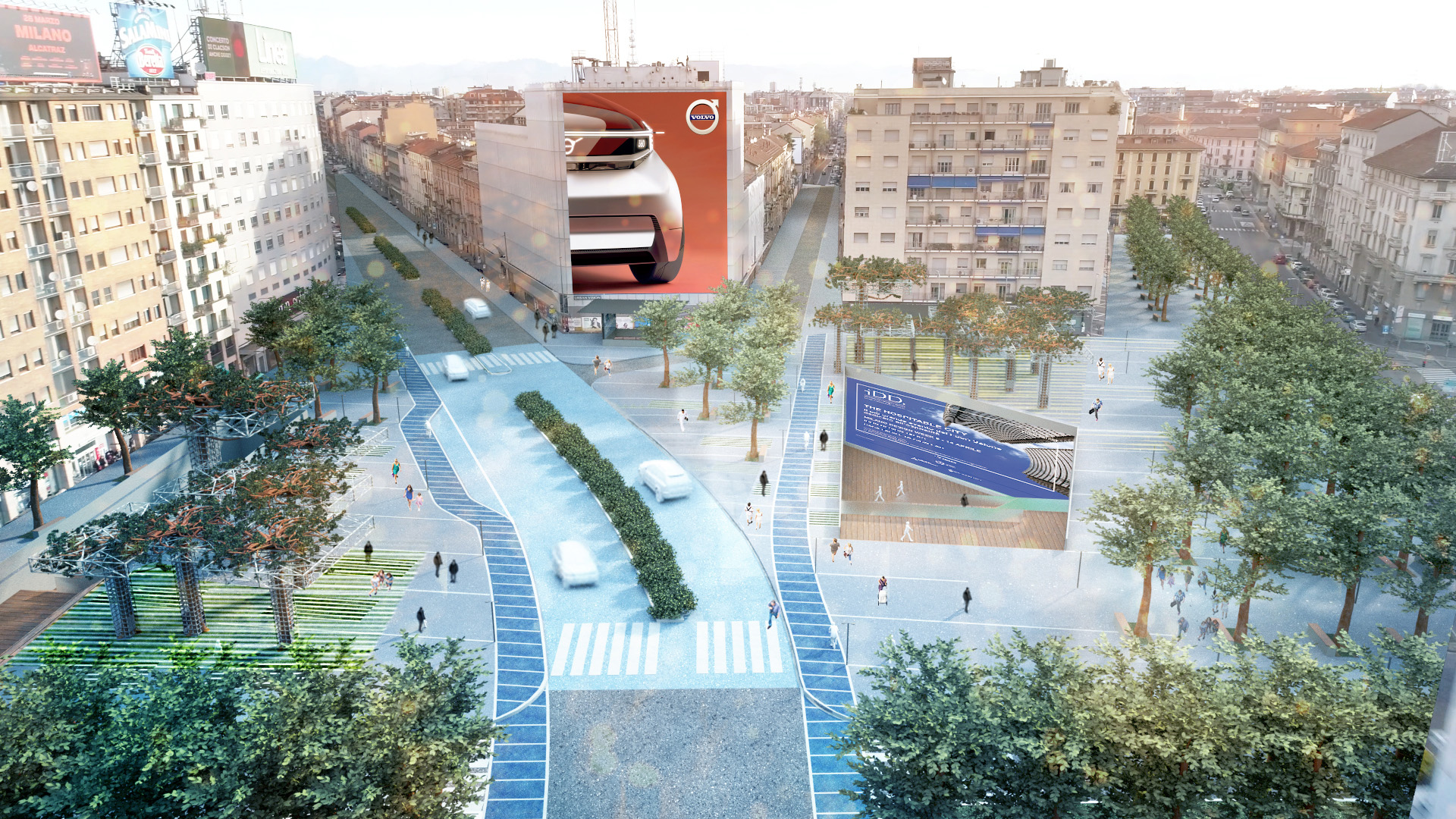
From research projects to big data analysis and software development, City Futures investigates the role of mobility in tomorrow's cities.
The team applies expertise at the intersection of data science, transportation planning, logistics, economics, land use planning and policy, urban design and health, digital development, software prototyping, sustainability, and far more.
Research Projects
Digital Solutions
Technology & Mobility
Machine Learning with Big Data
Research Projects
The research projects explore alternative narratives of mobility and establish new knowledge.
The team at MIC-HUB engages with interdisciplinary partners and universities to translate questions into insights.
Transport alternatives for contexts with low density and demand
Assistance with pilot projects and initiatives
Mobility behaviour change
Transport gender inclusion See the projects
![[:en]Bi-City Shenzhen Biennale[:it]Bi-City Shenzhen Biennale 2019[:]](https://www.mic-hub.com/wp-content/uploads/2020/12/209_19P056_Schenzen-biennale-2019_02.jpg)
![[:en]Arcipelago Italia Biennale Architettura[:it]Lo Stretto Necessario, Biennale dello Stretto[:]](https://www.mic-hub.com/wp-content/uploads/2024/12/MIC-HUB_BiennaleStretto_01_ok2.jpg)
Digital Solutions
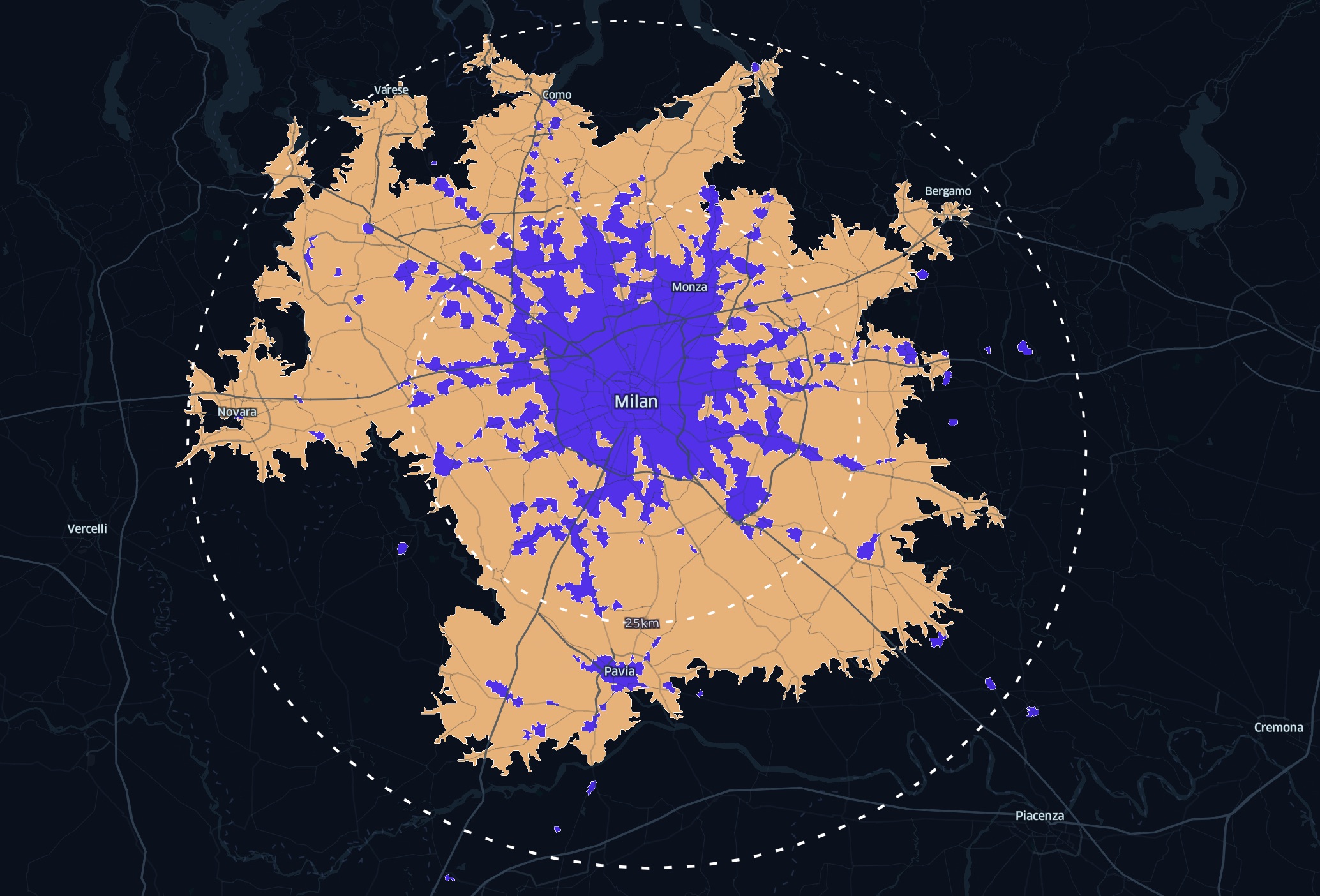
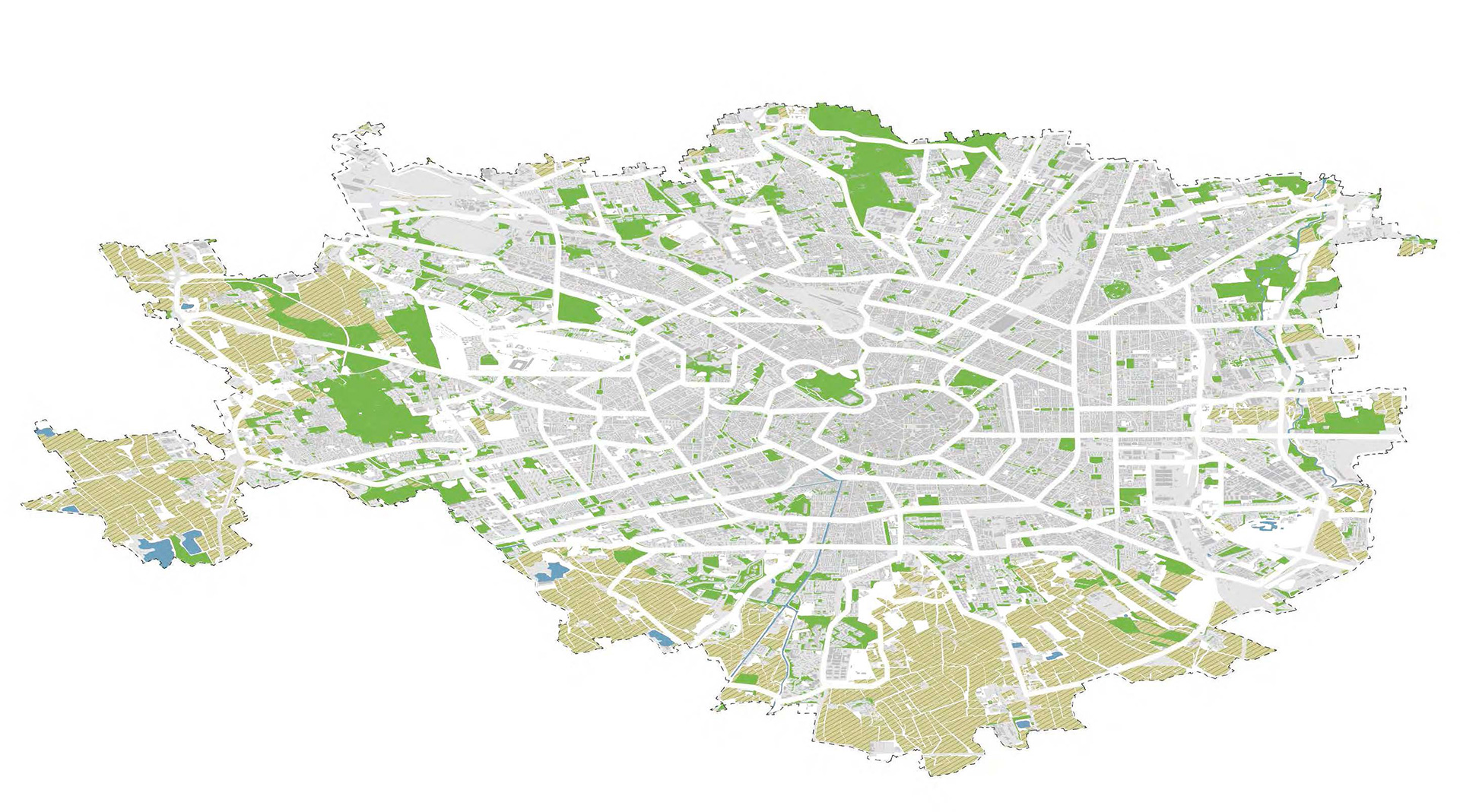
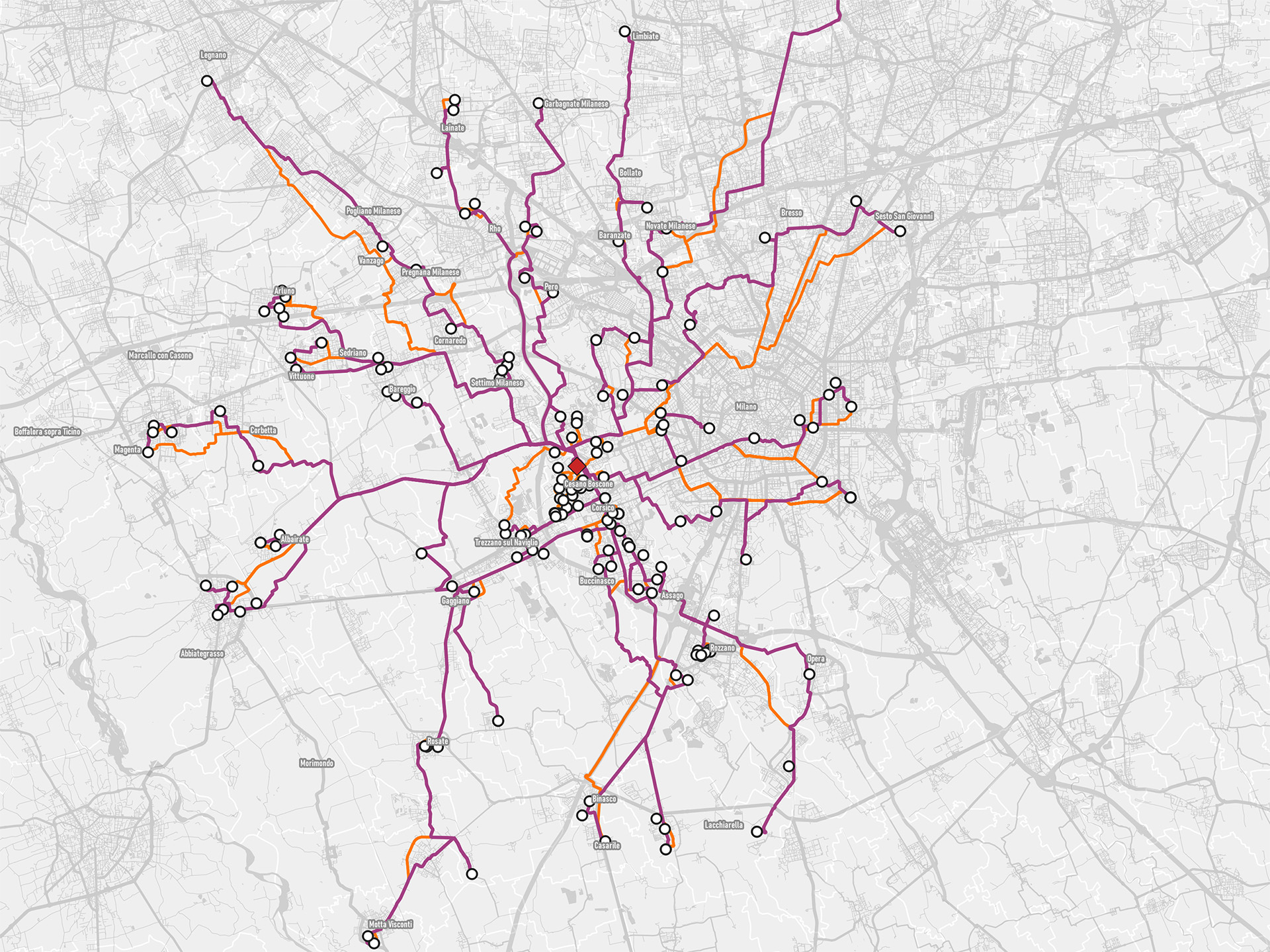
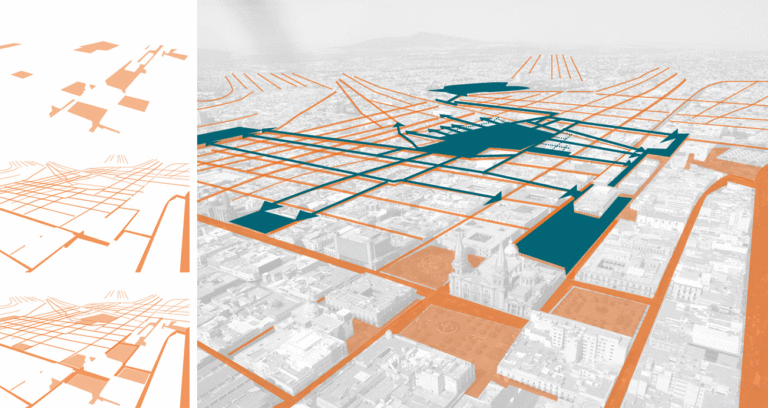
MIC-HUB also offers a growing range of in-house services through digital developments, delivering advanced data visualisations, scientific analysis, and digital community engagement solutions. We offer valuable insights into evidence-based decision-making processes, enabling key decision-makers to gain a greater understanding of mobility scenarios and forecasts.
Read moreWe adopt a hands-on approach to develop effective digital solutions that are tailored to your needs and resources, combining technological expertise with subject matter knowledge.
Read less
Mobility flows counting
Climate and acoustic mapping
See the projects
Technology & Mobility
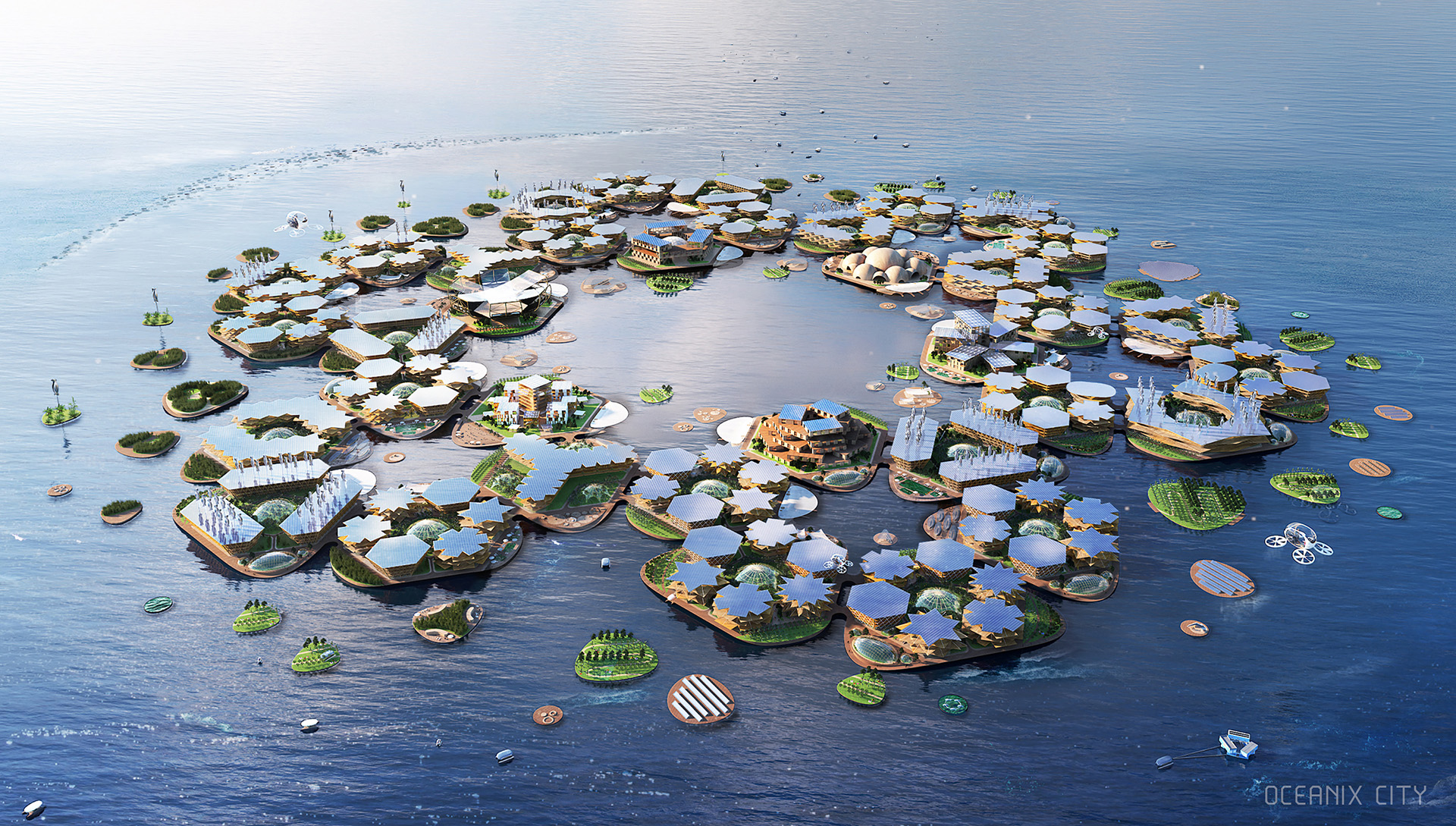
Rapid technological advances coupled with shifts in demographics and public preferences are dramatically altering the nature of transportation in cities.
Read moreMIC-HUB assists clients by harnessing emerging technologies and models in areas like the formulation of automotive, micro-mobility and smart mobility strategies.
Read less
Intelligent mobility and MaaS development advisory
Smart ticketing and data analysis
Smart stations and parking strategies
Business case and business model development See the projects
Machine Learning with Big Data
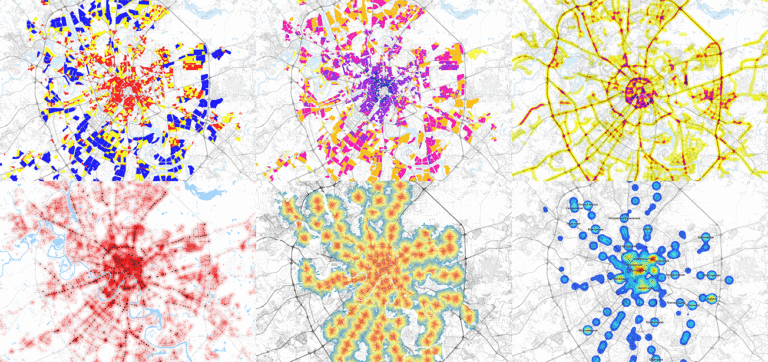
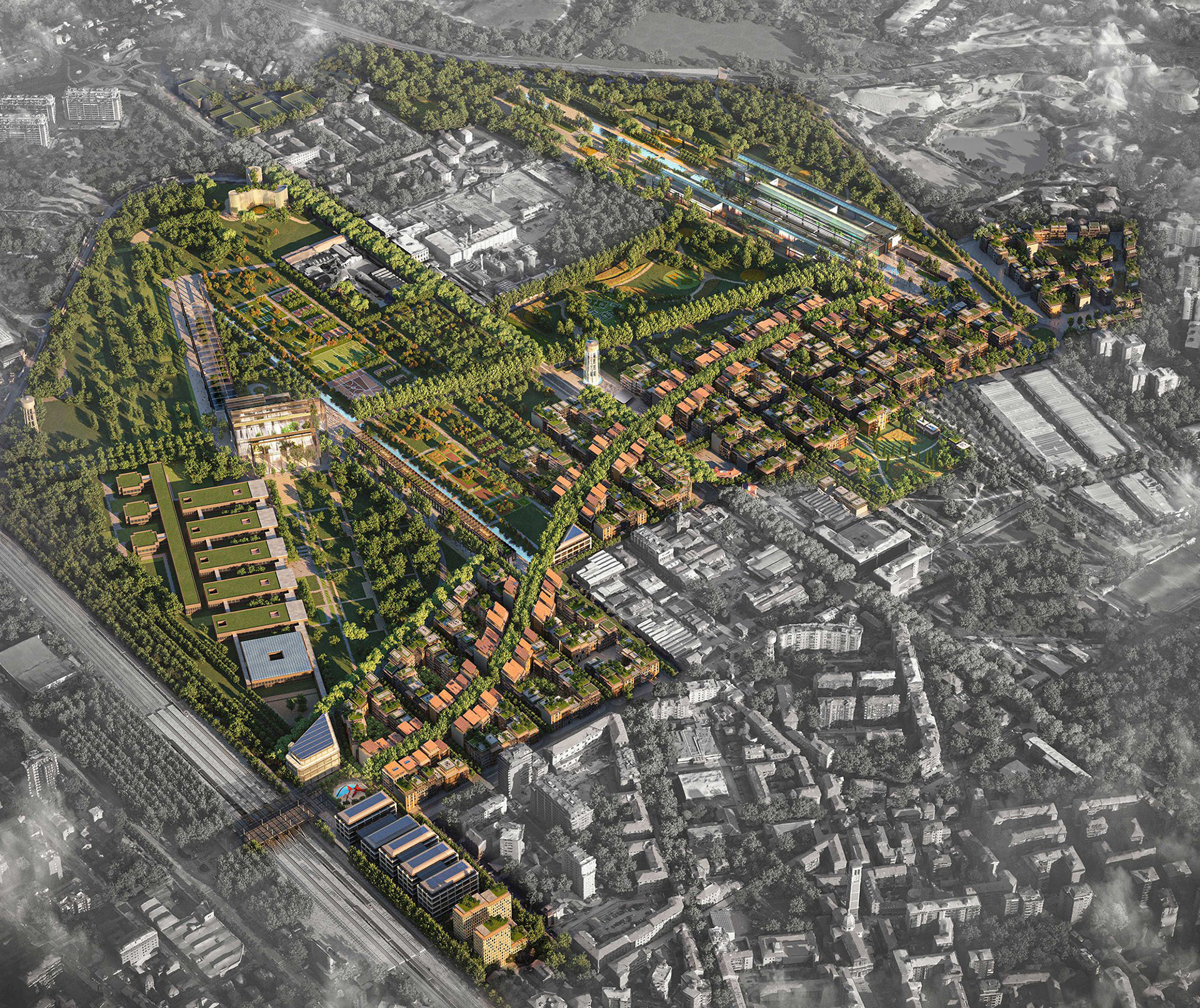
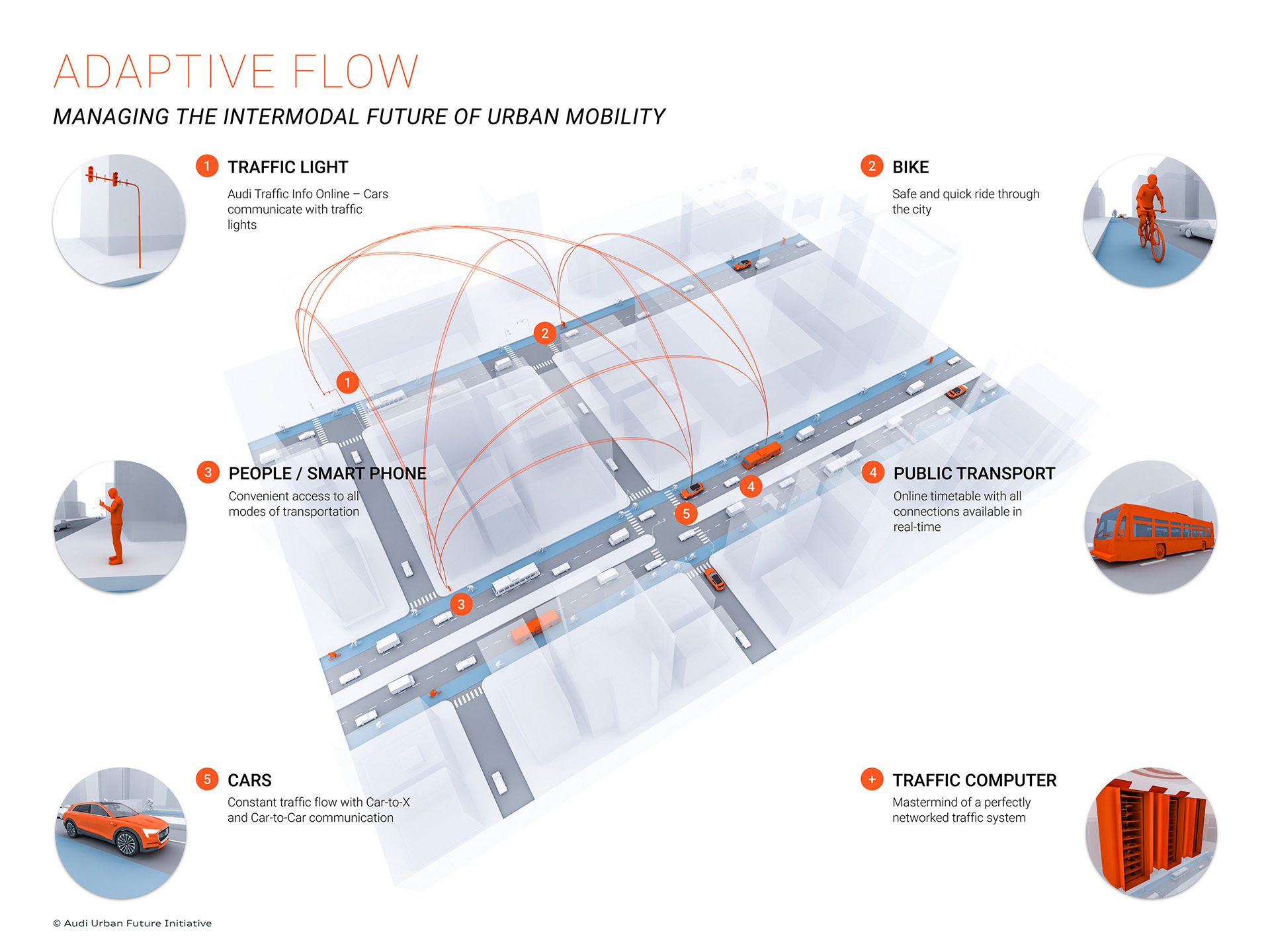
MIC-HUB develops machine learning (ML) algorithms and models to analyse urban mobility phenomena and their interaction with the built environment, providing predictive tools to support decision-making and sustainable mobility planning. MIC-HUB’s models can predict traffic flows, travel behaviours, and road safety risk levels by processing big data from sensors, GPS, social media, and traffic simulations. This contributes to greater efficiency, safety and sustainability in transport systems.
ML algorithms help decode the relationships between mobility and the built environment in terms of urban density, land use, and street design, revealing how these factors influence travel choices, distances, transport modes, and externalities such as crash rates and emission levels.
Read moreMIC-HUB uses supervised learning algorithms, including neural networks, to develop predictive models that assess traffic volumes, network speeds, and accident rates, based on the urban and sociodemographic characteristics of each study area.
Unsupervised machine learning techniques use cluster analysis and dimensionality reduction to identify unknown patterns. These analyses help to reveal hidden structures within complex, heterogeneous data on mobility and other urban characteristics, such as chains of human movement.
Read lessNeural networks
Predictive models
Mobility patterns
Automatic learning of user behaviour
Road safety risk levels
See the projects