Study for the Subway Line 2 & 4 of Lima
Lima, Peru
Lima is a megalopolis of 12 million inhabitants which has experienced a demographic boom and economic explosion in recent years.
This has resulted in diversified and contradictory urban sprawl, accompanied by inadequate infrastructure planning. It is only in recent years that the city has attempted to address this issue by implementing a long-term transport development plan that prioritises the resolution of traffic bottlenecks.
A key element of the programme was the creation of interconnections between the only two existing major public transport lines (the BRT and the L1 metro line), which are not capable of generating a network effect.
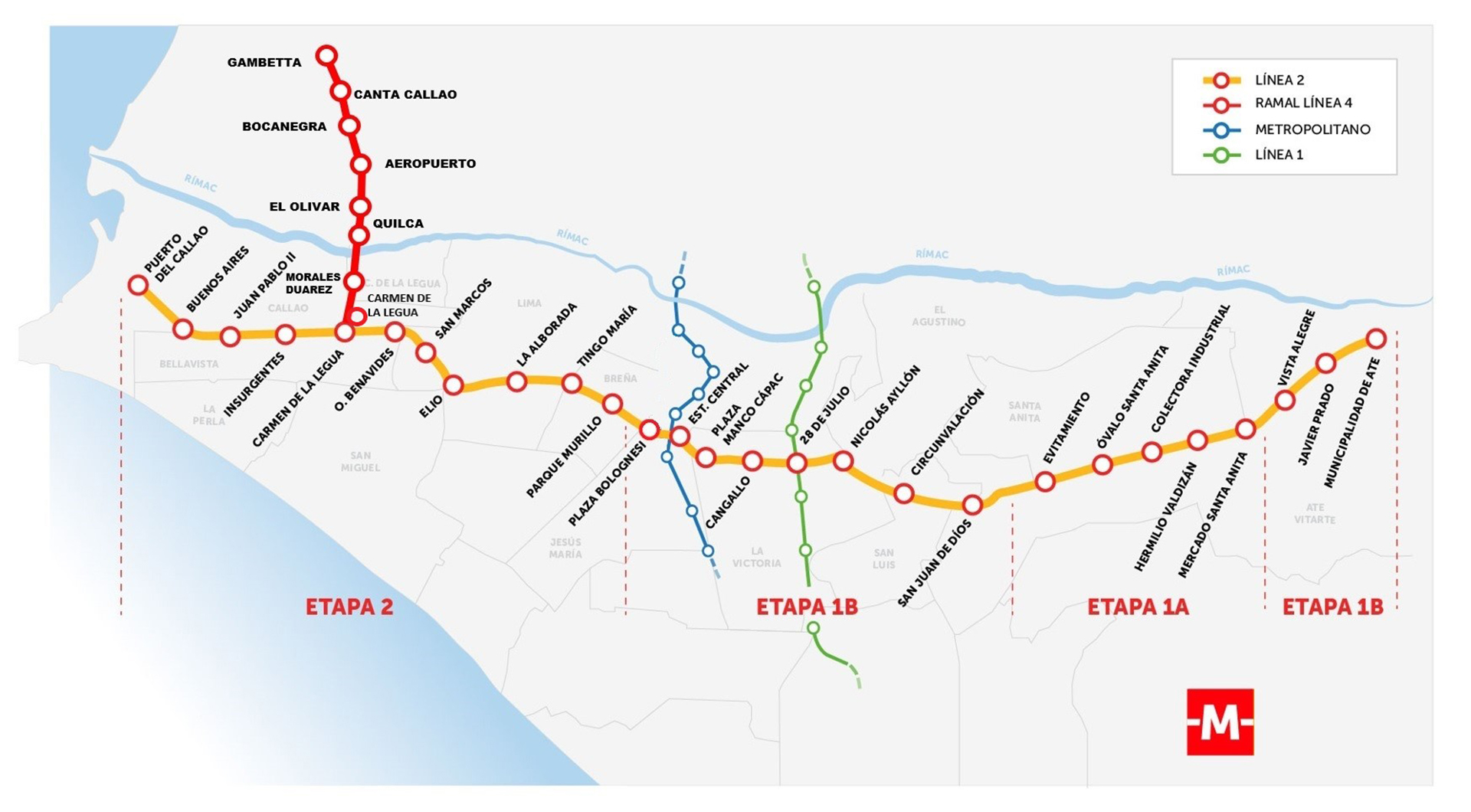
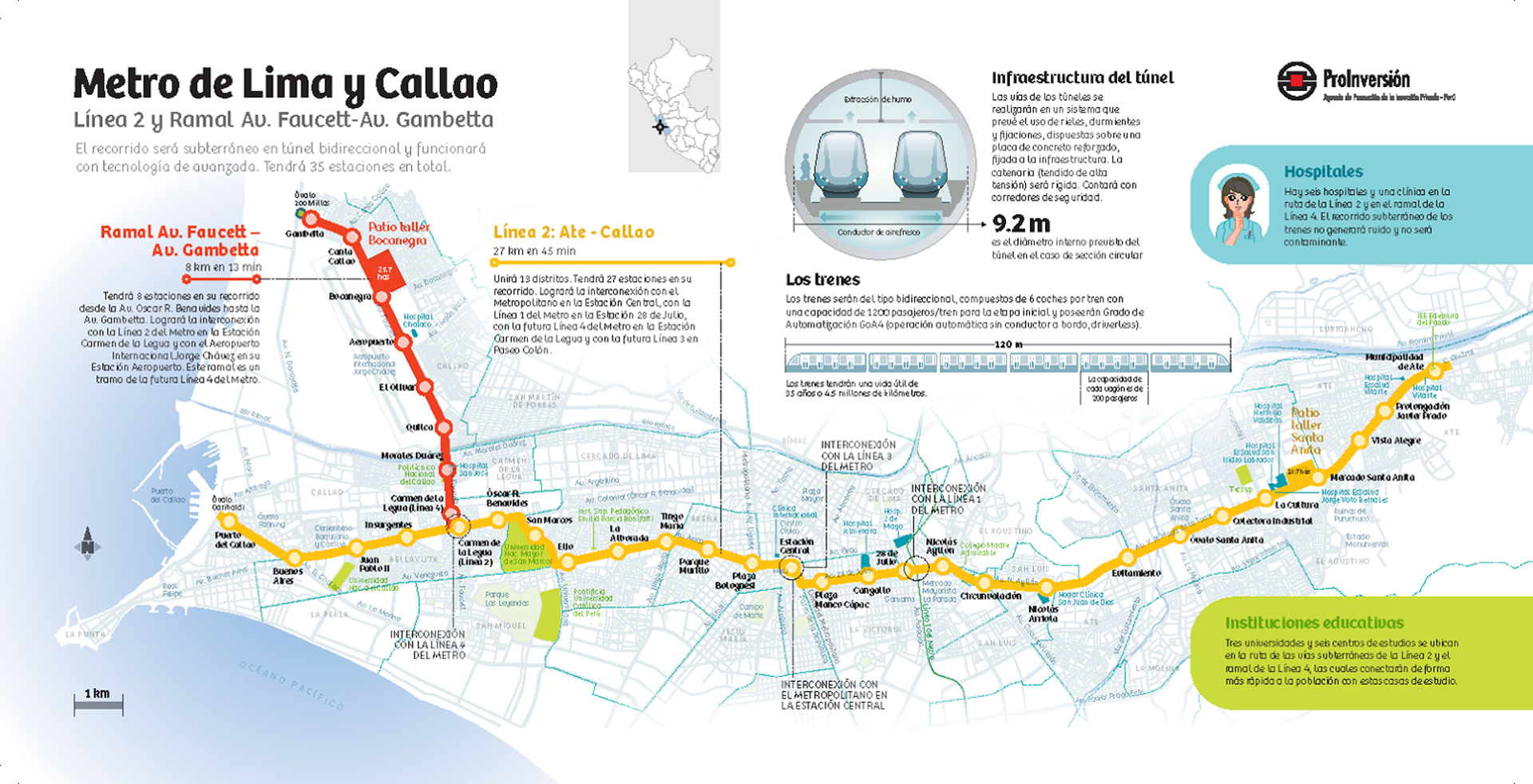
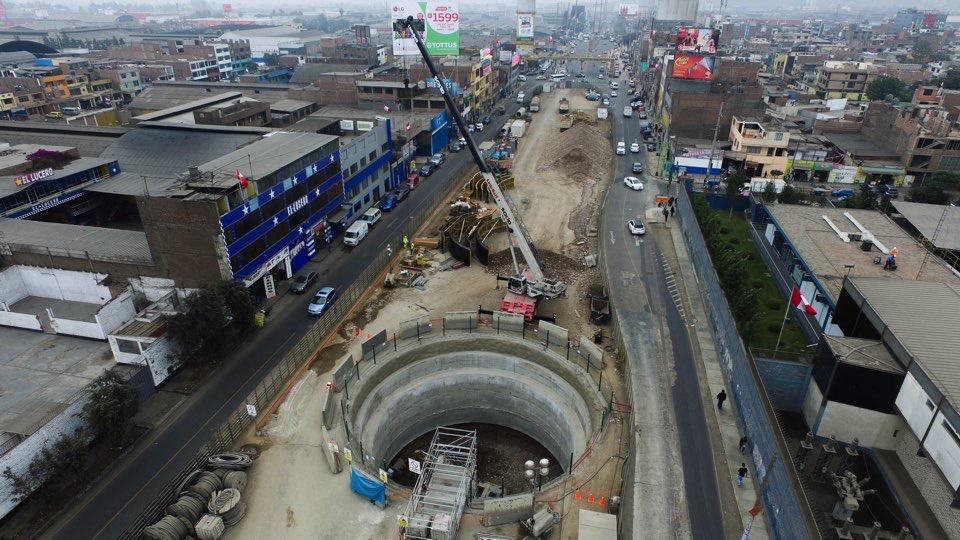
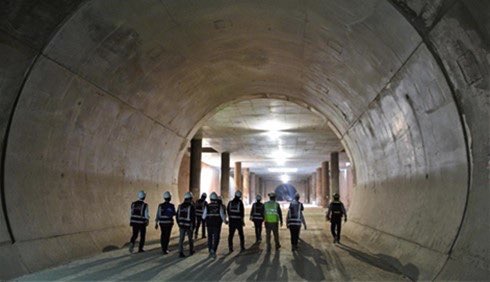
The project consisted of a feasibility study and preliminary design for two fully automated underground lines. The main line is Line 2, which crosses the city from east to west (27 km) between the Municipality of Ate and the Port of Callao. The secondary stretch is part of the future Line 4 (9 km), connecting Line 2 with Jorge Chavez International Airport to the north. The project incorporates as many as 36 stations (35 underground and one elevated).
Location
Lima, Peru
Client
Geodata Spa
Main expertise
Public Transport
PROJECT HIGHLIGHTS
- Transport demand analysis to estimate peak-hour passenger flows, potential ridership and revenues
- Multi-criteria assessment of alternative alignments to identify the optimal metro configuration
- Station location and accessibility analysis
Our contribution
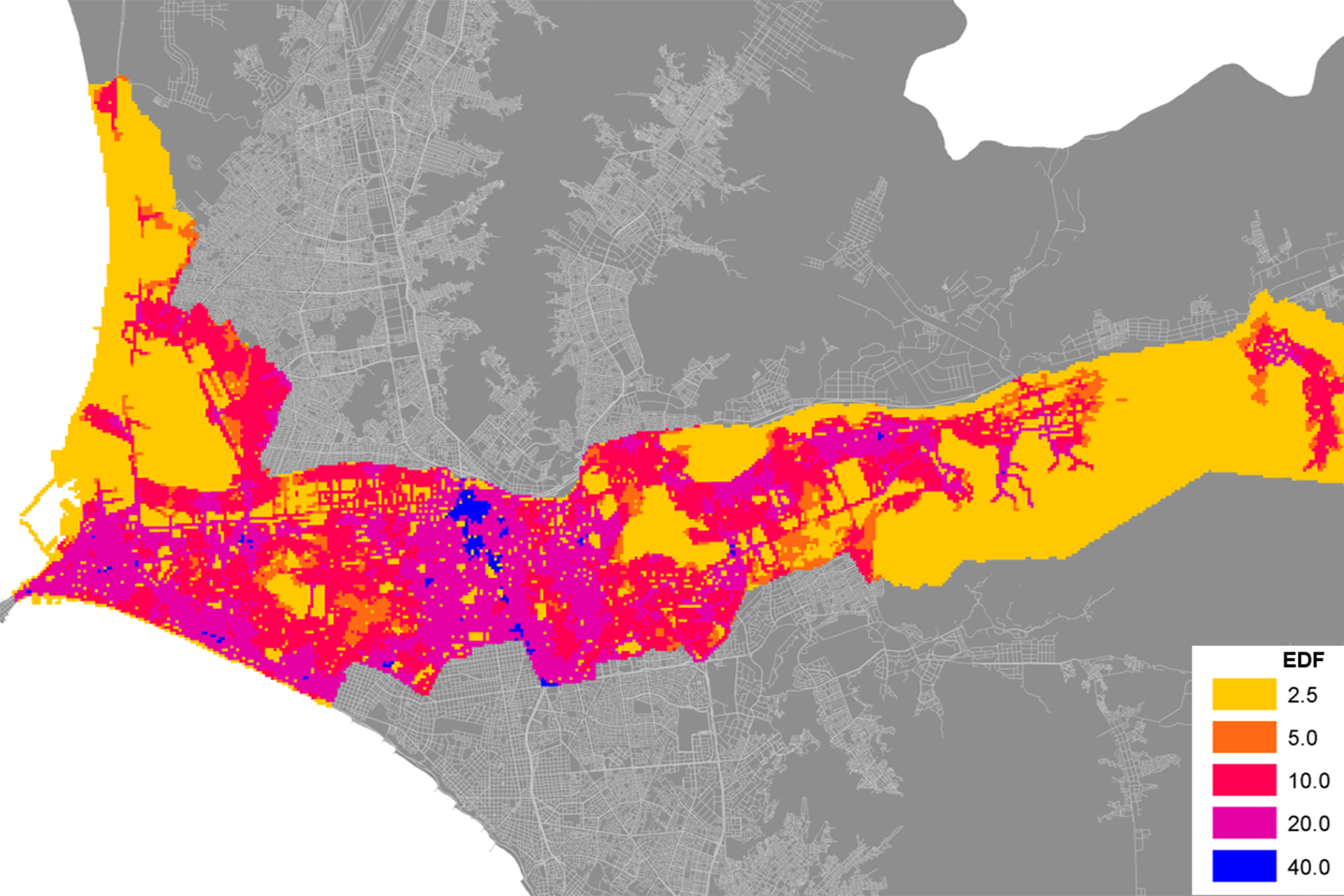
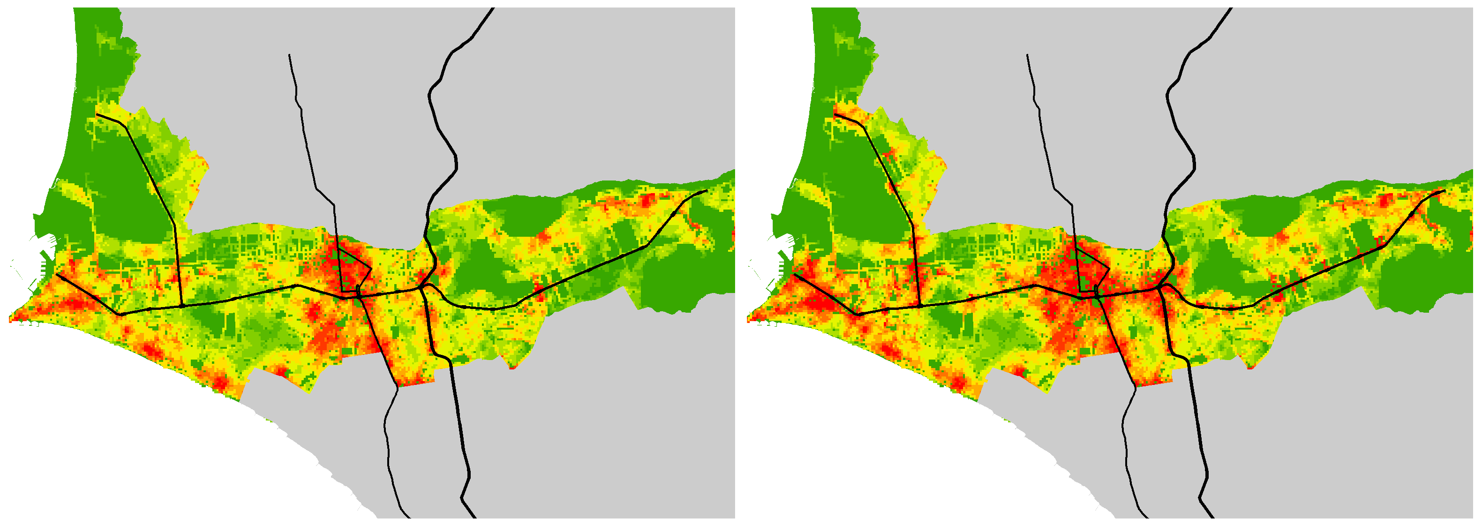
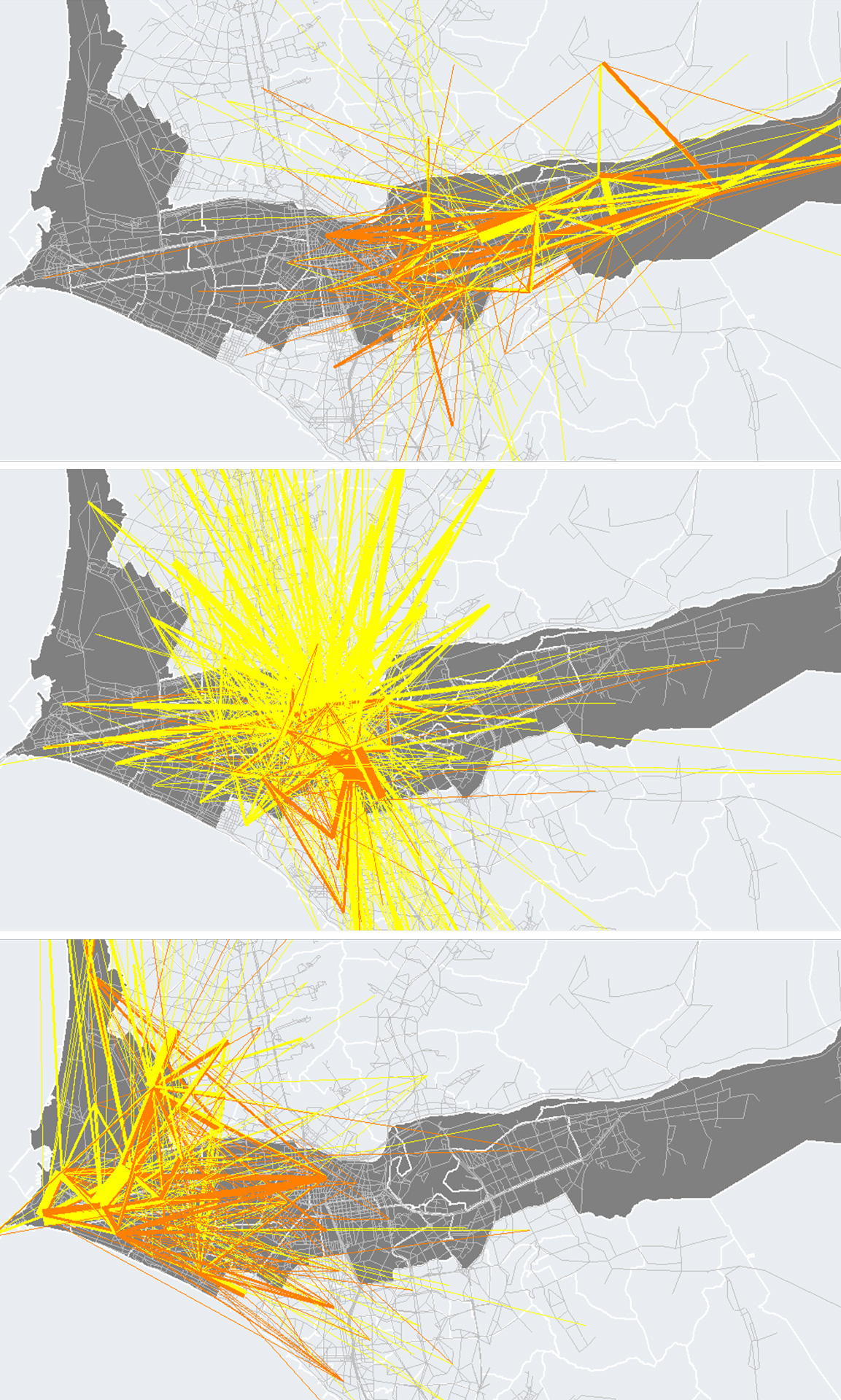
MIC-HUB conducted a transport study to determine the project's key design requirements and business case. This included the expected number of passengers per hour, in each direction, during the busiest periods, as well as the potential demand that the new system could generate (i.e. ticket sales).
The transport analyses carried out took advantage of the existing multimodal transport model developed by AATE (the Autonomous Authority of the Mass Transit System of Lima and Callao) and made available by ProInversión (Private Investment Promotion Agency).
MIC-HUB’s contributions were particularly important in:
• defining the optimal alternative from the options proposed by the main client and the consortium;
• informing the multi-criteria analysis used to select the optimal alternative;
• defining the optimal location of stations along the main track in relation to their accessibility from neighbouring areas.
MIC-HUB’s estimates of the number of passengers boarding, alighting and transferring at stations were useful for defining station standards and the expected footfall, which was relevant for computing revenues for the project’s commercial areas.