Logistics plan for Fortezza da Basso, Florence
Florence, Italy
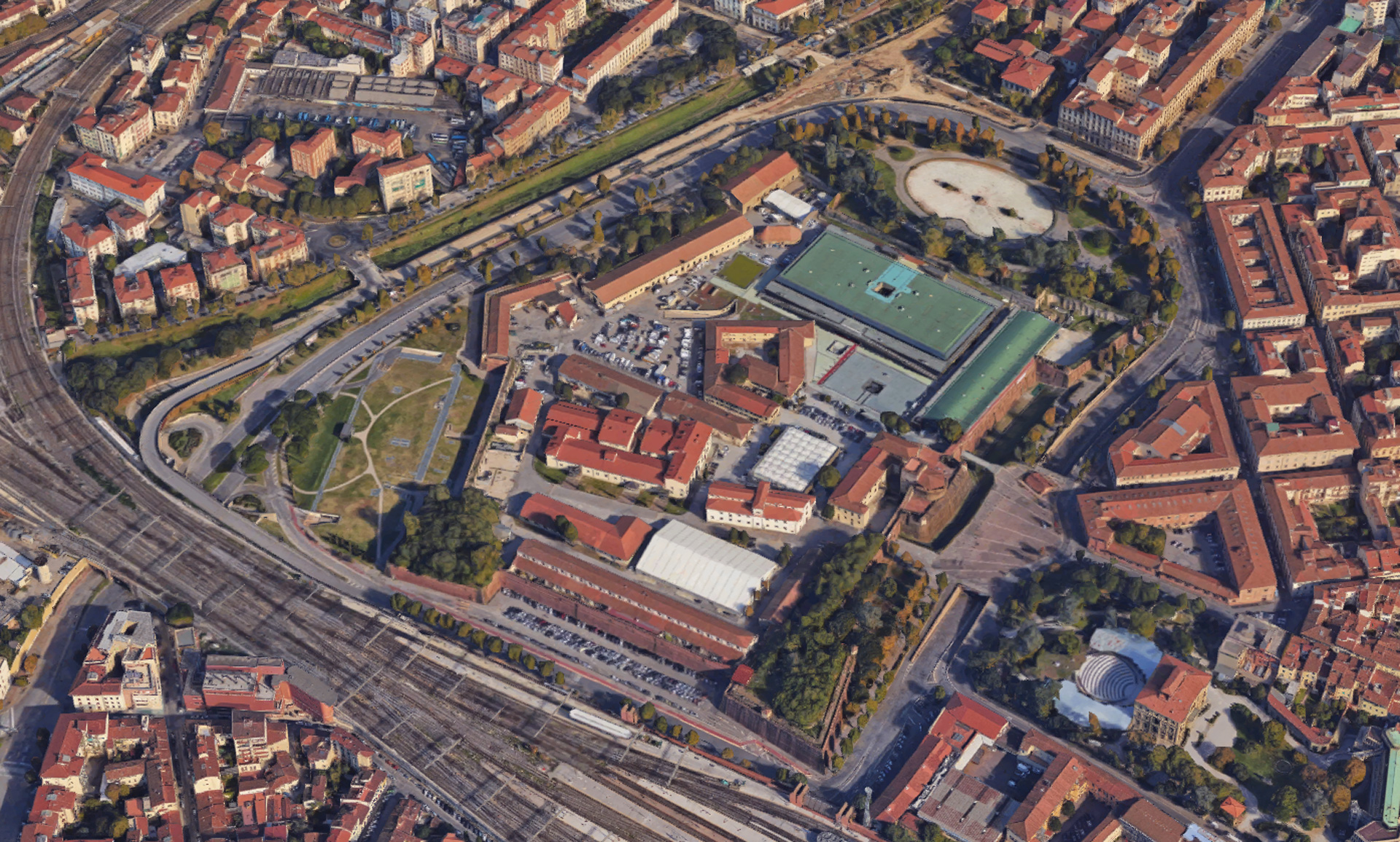
Dating back to the 16th century, the Fortezza da Basso is one of the most important examples of Renaissance military architecture in Florence. Today, the fortress is part of the exhibition and conference district.
MIC-HUB was appointed to develop a logistics plan and a vehicular accessibility strategy. The aim was to adapt the access system to the surrounding road network and identify the measures required to meet the current and future operational needs of the exhibition complex.
Several critical issues affecting the development and profitability of the exhibition complex were identified in the existing procedures for exhibition setup and dismantling, goods deliveries, supplier access and waste collection.
Therefore, the ambition to expand Fortezza da Basso's activities, in terms of both available exhibition space and the number of events hosted throughout the year, required a comprehensive review of its logistics system and mobility management strategy.
Greater efficiency, increased operational flexibility and a more sustainable logistics system will put the venue in a stronger position to compete with leading exhibition centres in Italy and internationally.
Location
Florence, Italy
Client
Comune di Firenze
Main expertise
Logisitcs; Strategic Advisory on Transport & Accessibility
PROJECT HIGHLIGHTS
- Analysis of existing logistics processes
- Assessment of operational requirements, analysis of freight and service vehicle flows
- Optimisation of freight handling and vehicular access
Project gallery
Our contribution
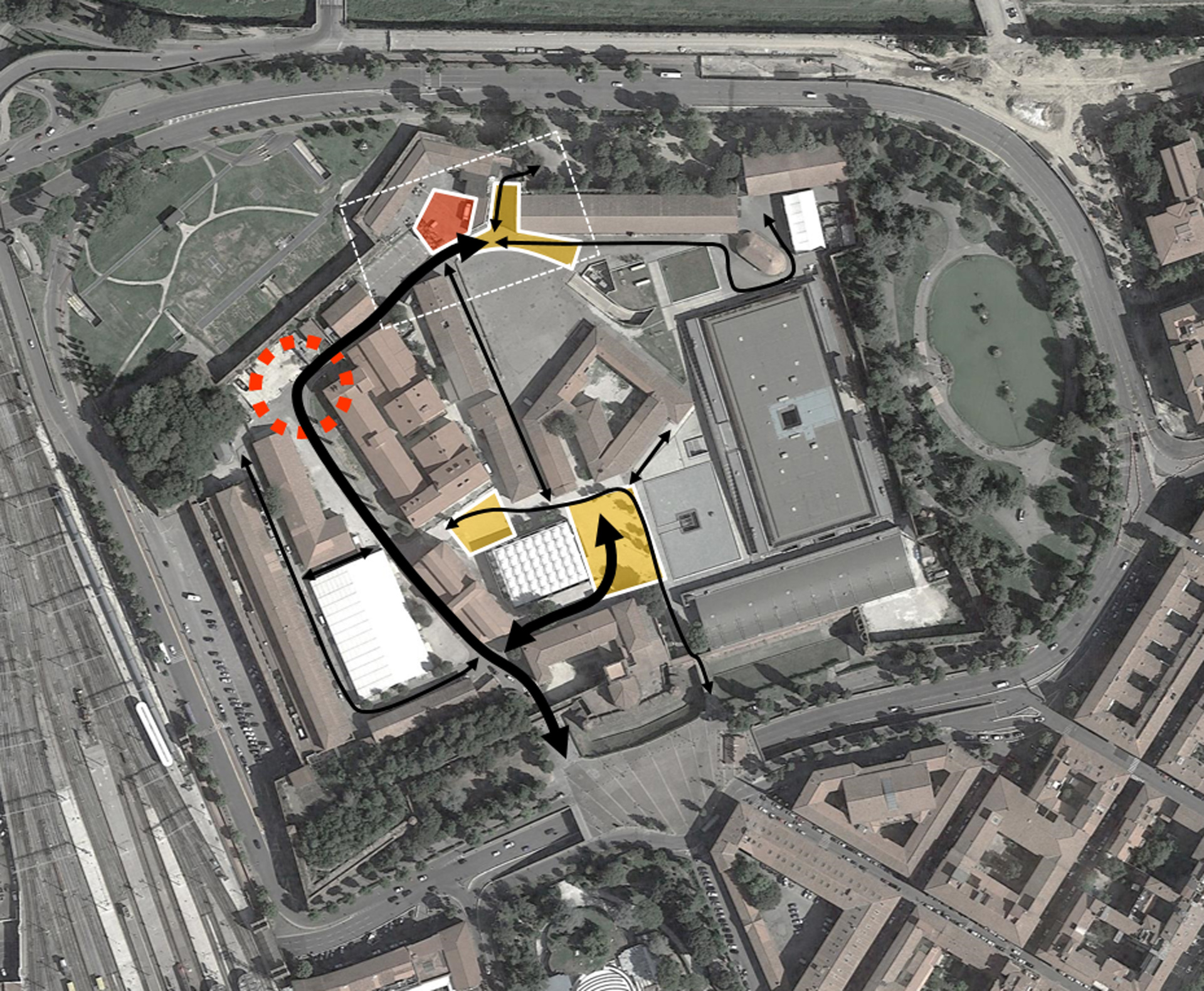
The development of the tram network and the reconfiguration of the surrounding urban road system have substantially changed vehicular access to the Fortezza da Basso.
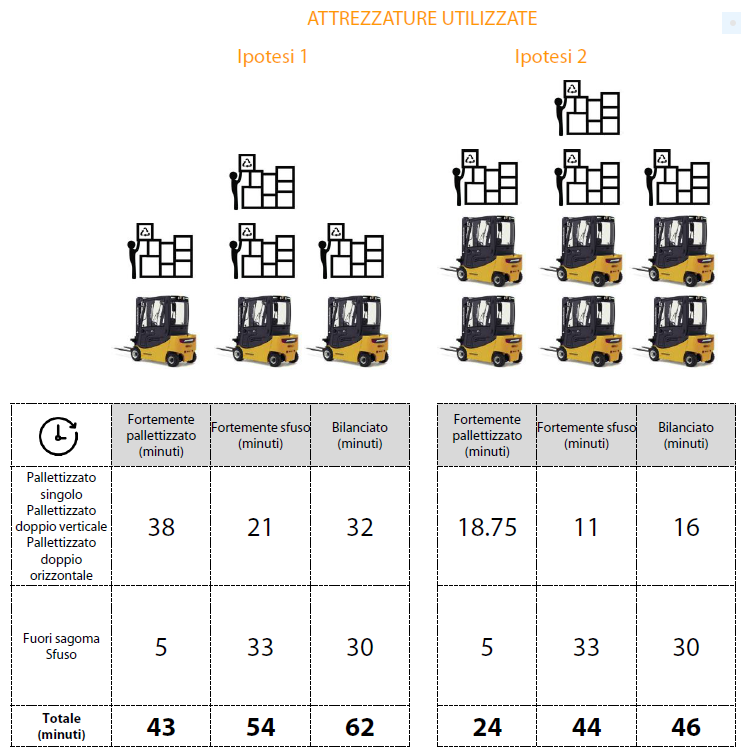
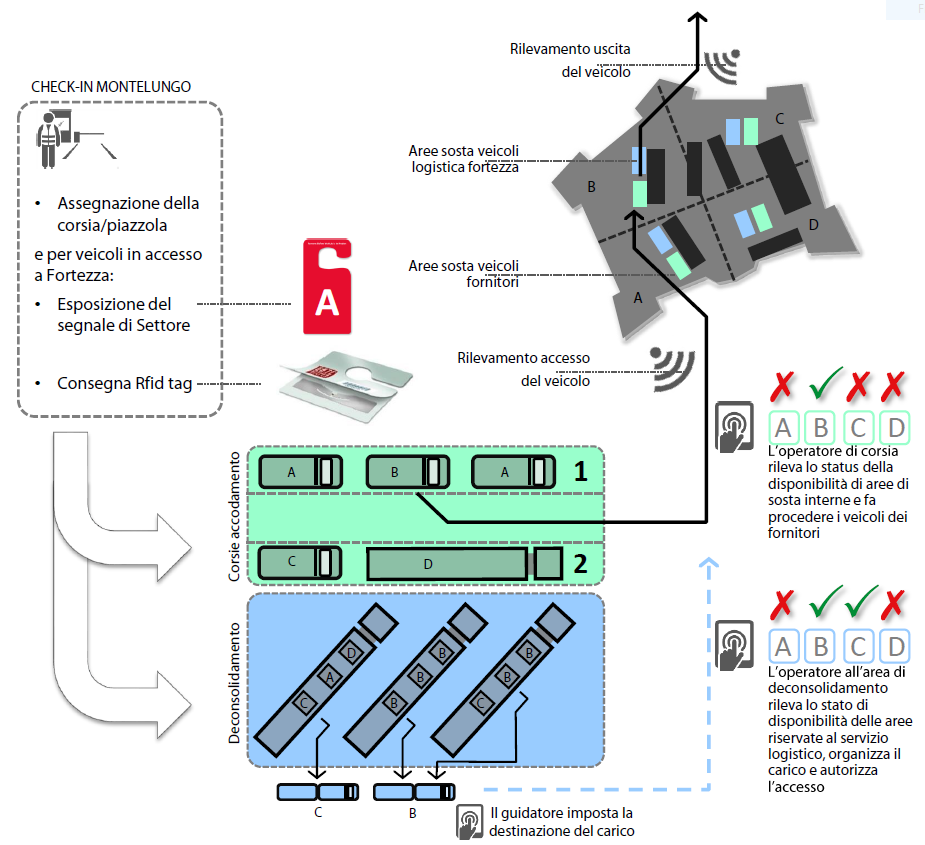
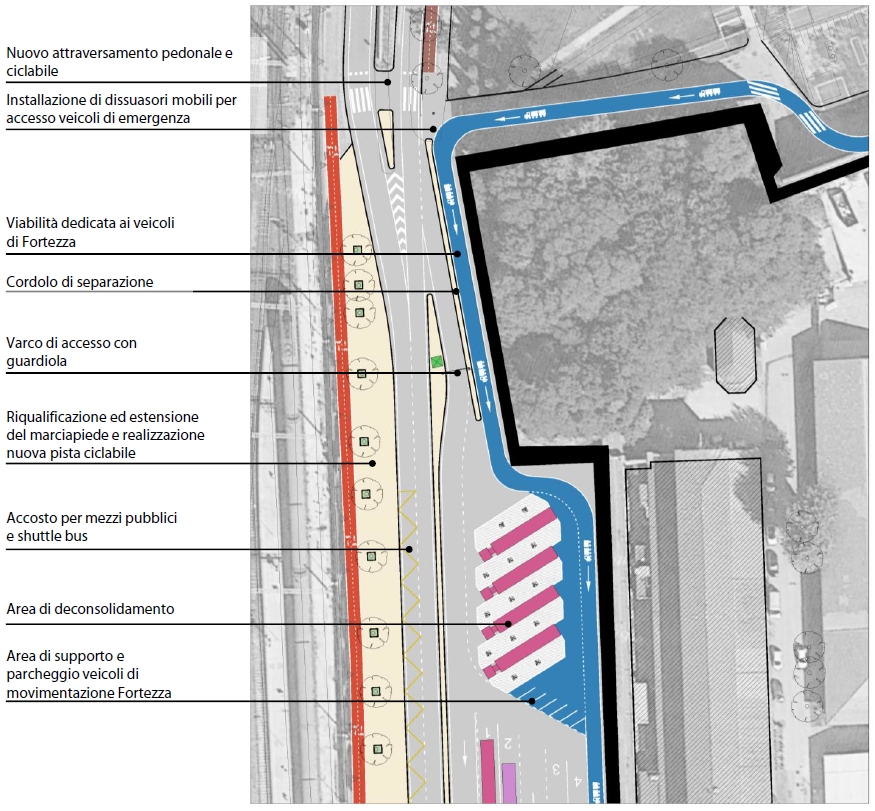
The new layout reduced the space available for heavy goods vehicles to wait and park, necessitating a complete rethink of the logistics chain. MIC-HUB analysed various operational scenarios, vehicle flows and the interaction between logistics activities and event operations to create a system that is more efficient, flexible, and adaptable.
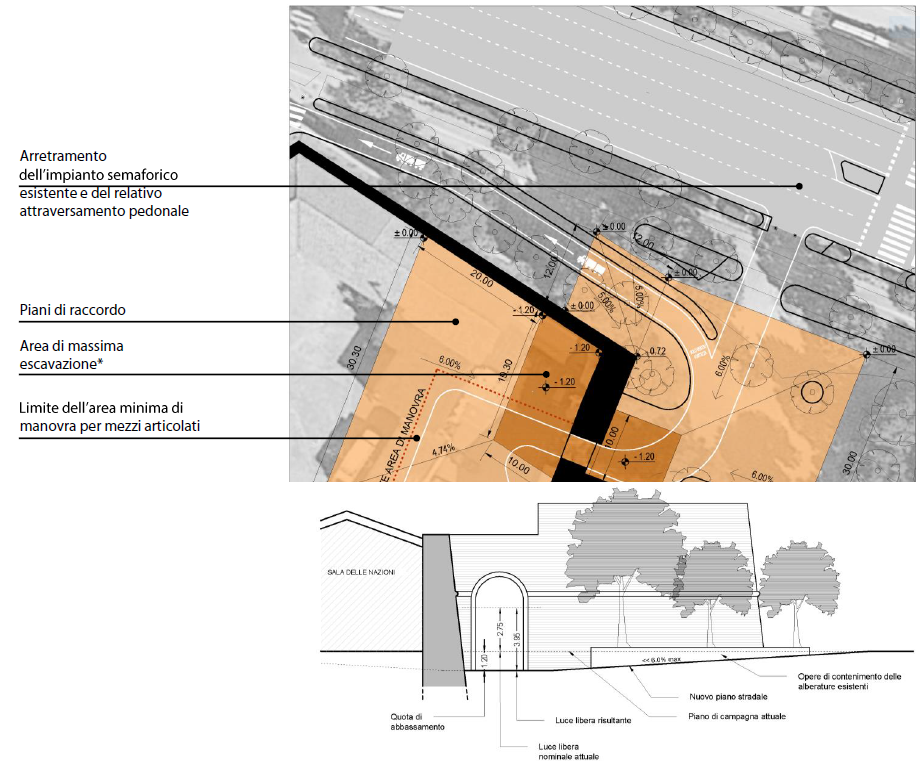
Due to the Fortezza da Basso's historical and architectural significance, solutions were needed that could improve operational performance without compromising the complex's integrity. The proposed measures increase the value of the complex.
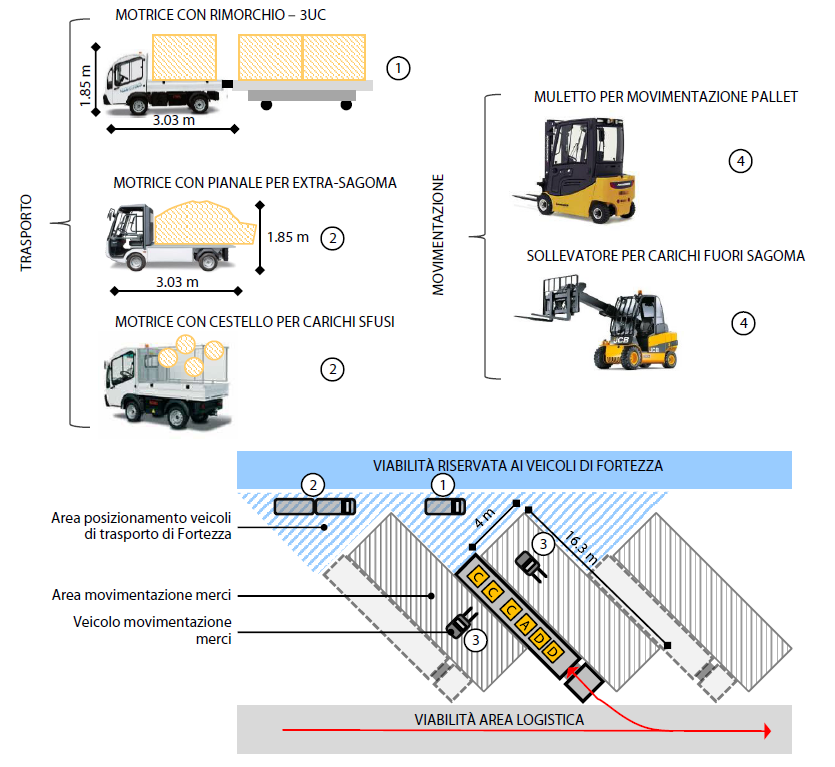
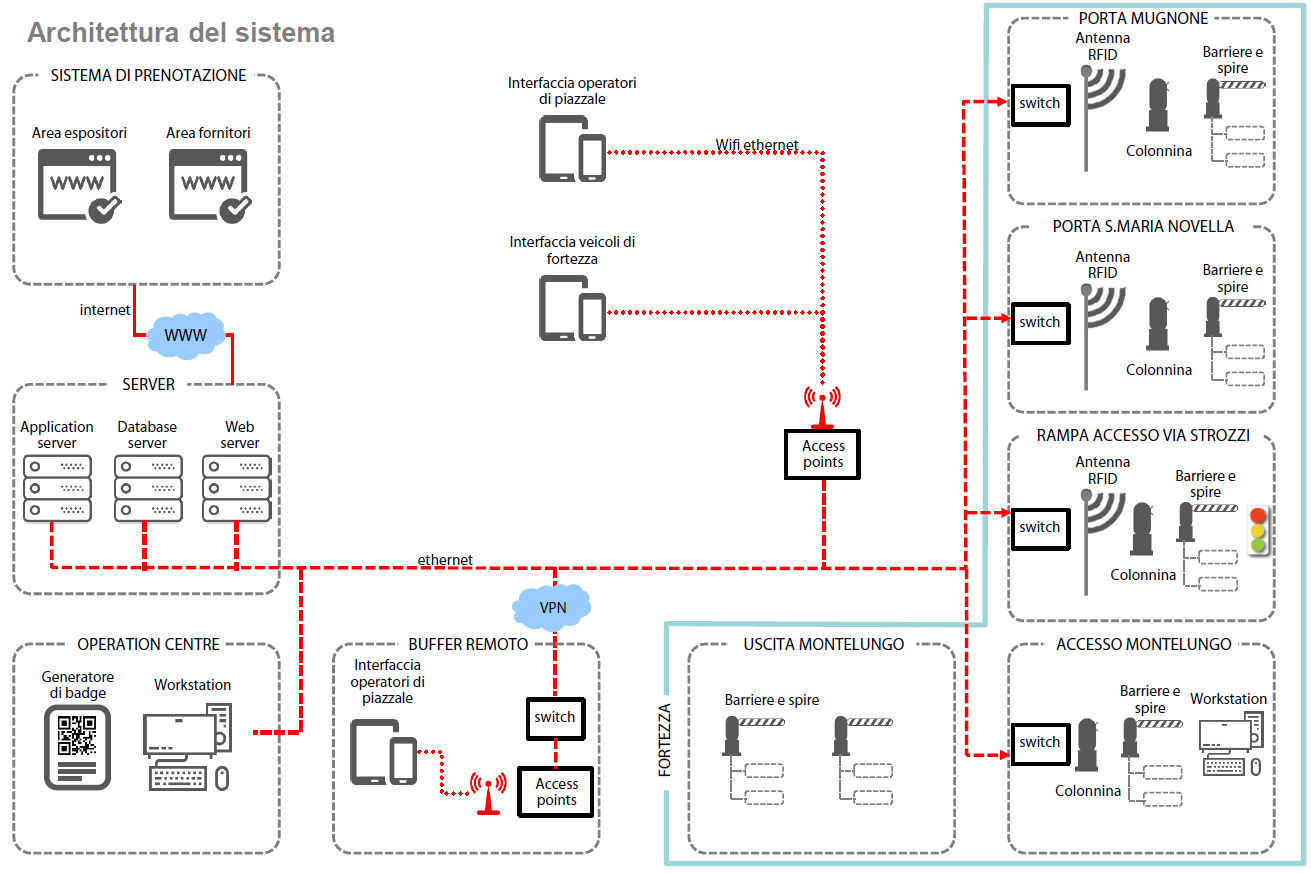
The strategy is based on developing a low-infrastructure consolidation and transshipment area outside the Fortezza, introducing a fleet of electric vehicles for internal goods distribution, and implementing an advanced management system designed to optimise freight handling capacity and vehicular access.
This plan creates the conditions necessary to support the future growth of the exhibition complex while balancing operational efficiency, environmental sustainability, and the protection of its historic heritage.