Caselle Shopping & Leisure Village
Turin, Italy
Caselle Shopping & Leisure Village was designed as a new outdoor shopping centre located near Turin Airport, Italy. The concept combines a strong entertainment offer with a commercial district characterised by a clearly defined urban identity.
With a total GLA of 103,000 sqm and more than 7,000 parking spaces, the development was expected to become a major attractor for the northern metropolitan area of Turin.
To ensure efficient and comfortable accessibility to the site, MIC-HUB developed a detailed traffic analysis using advanced microsimulation tools. Given the site’s proximity to the airport, the study carefully assessed the potential impacts on the surrounding road network, testing the proposed layout and identifying possible critical issues in terms of accessibility, network capacity and level of service.
Location
Turin, Italy
Client
Caselle Shopping & Leisure Village
Main expertise
Parking Consultancy; Pedestrian Modelling; Traffic Impact Studies & Assessments
PROJECT HIGHLIGHTS
- Mobility analysis, including pedestrian flows and shop accessibility
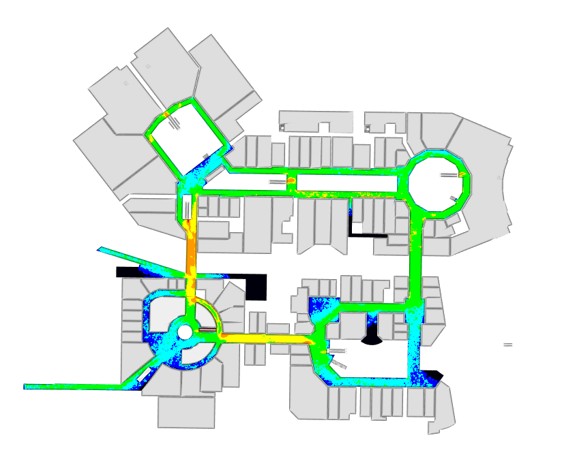
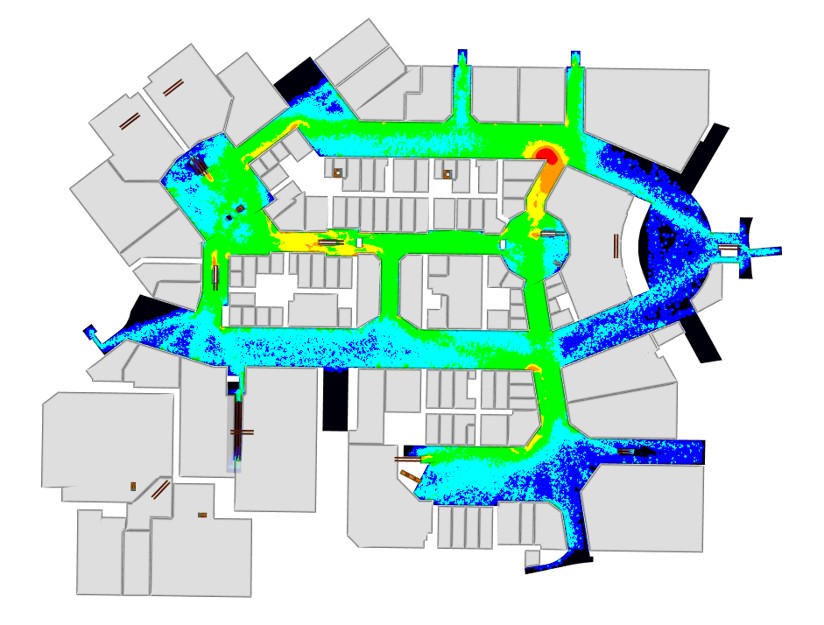
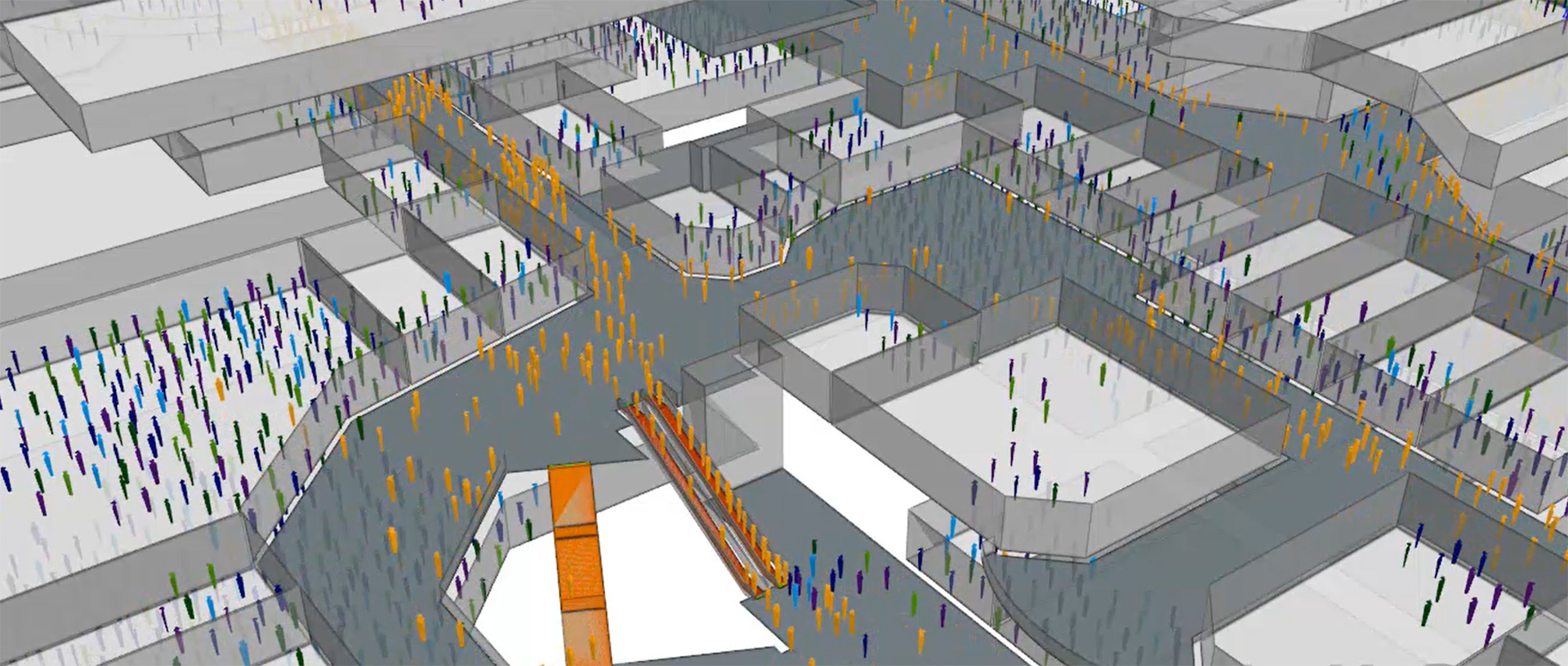
- Pedestrian simulations to evaluate vertical connections and space utilisation
- Integrated design of vehicular circulation and logistics systems
Project gallery
-
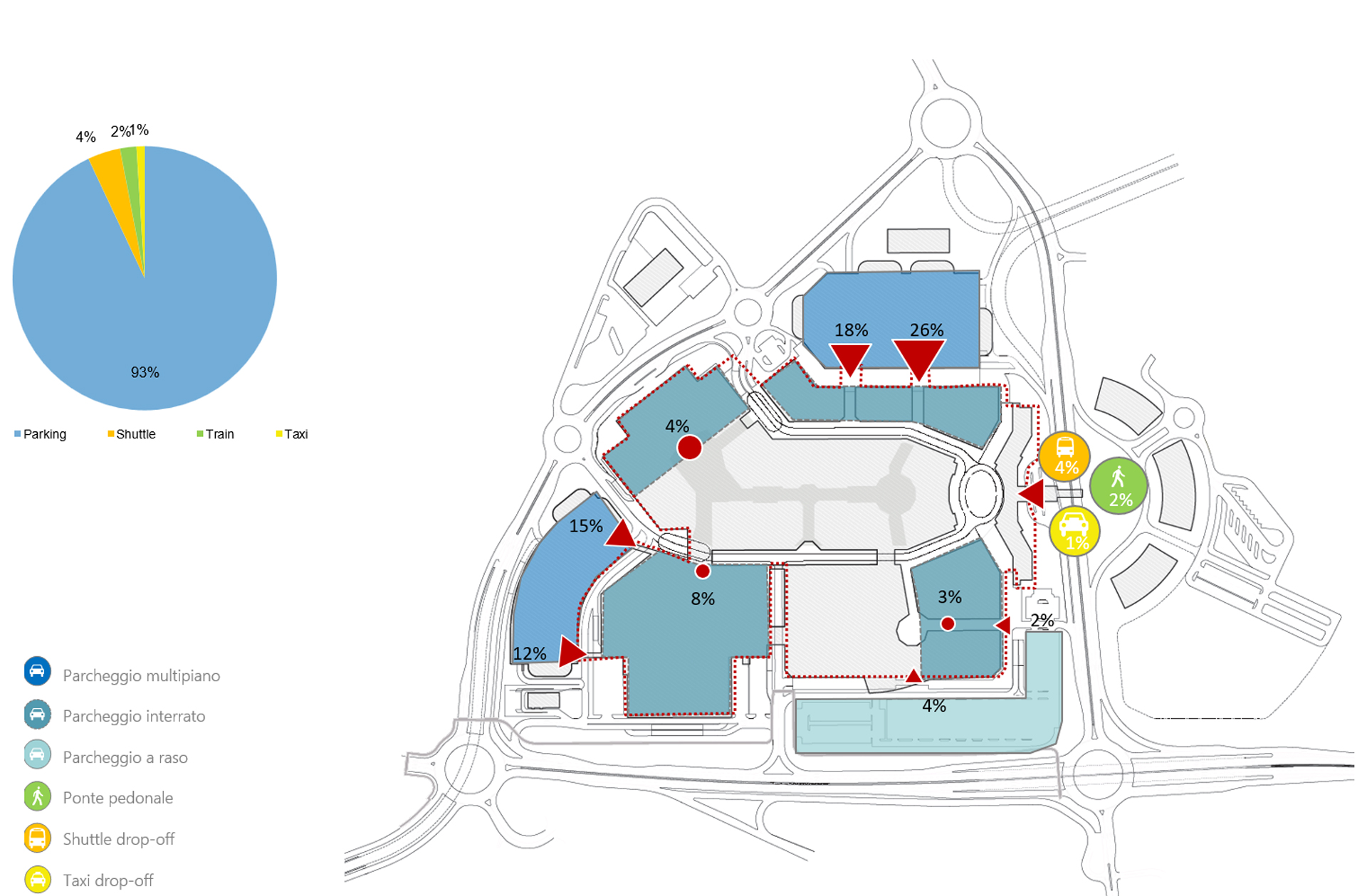
Ripartizione modale e punti di accesso degli utenti
-
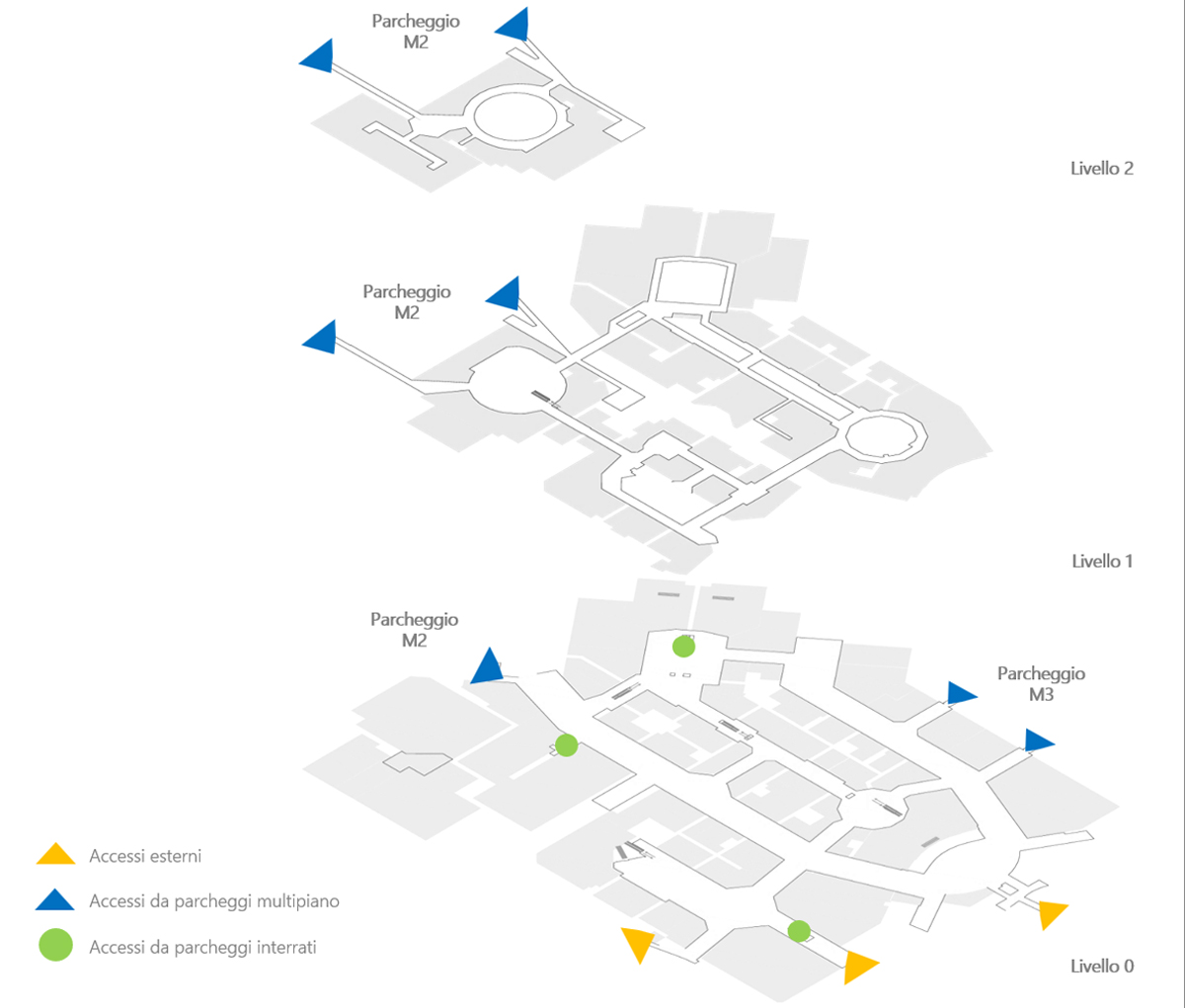
Accessibilità pedonale
-
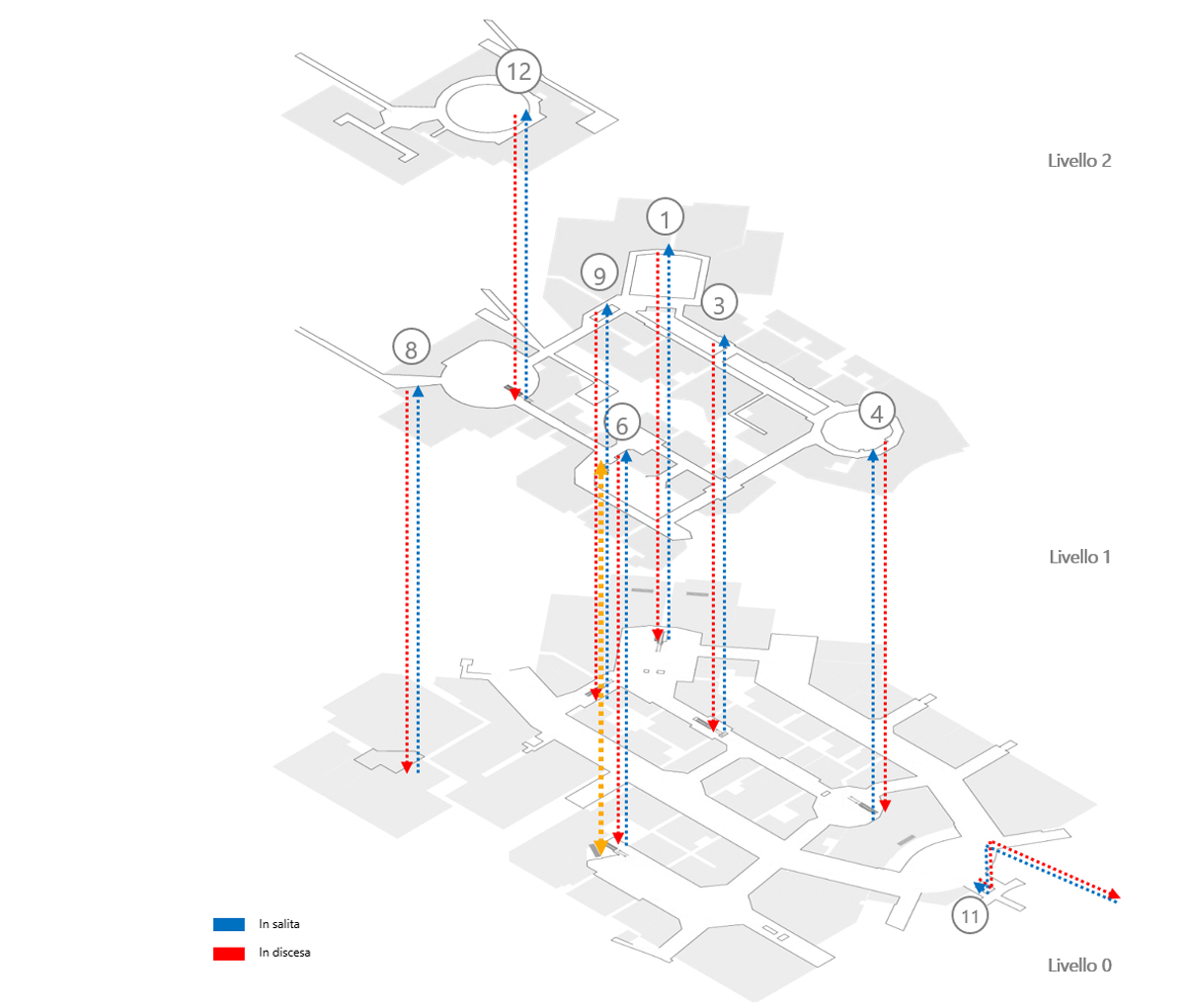
Sistema di scale mobili ad accesso pubblico
-
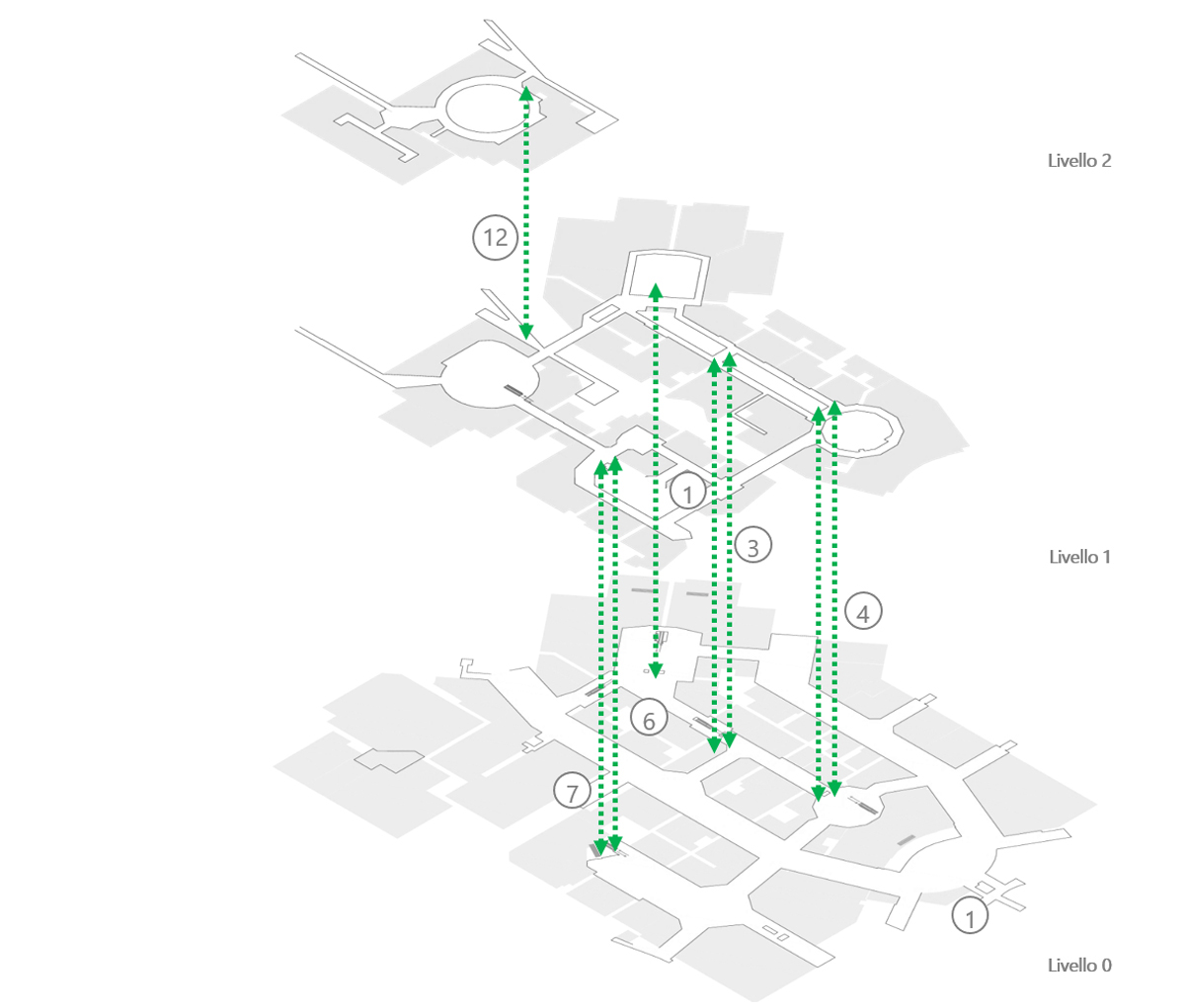
Sistema di ascensori ad accesso pubblico
-
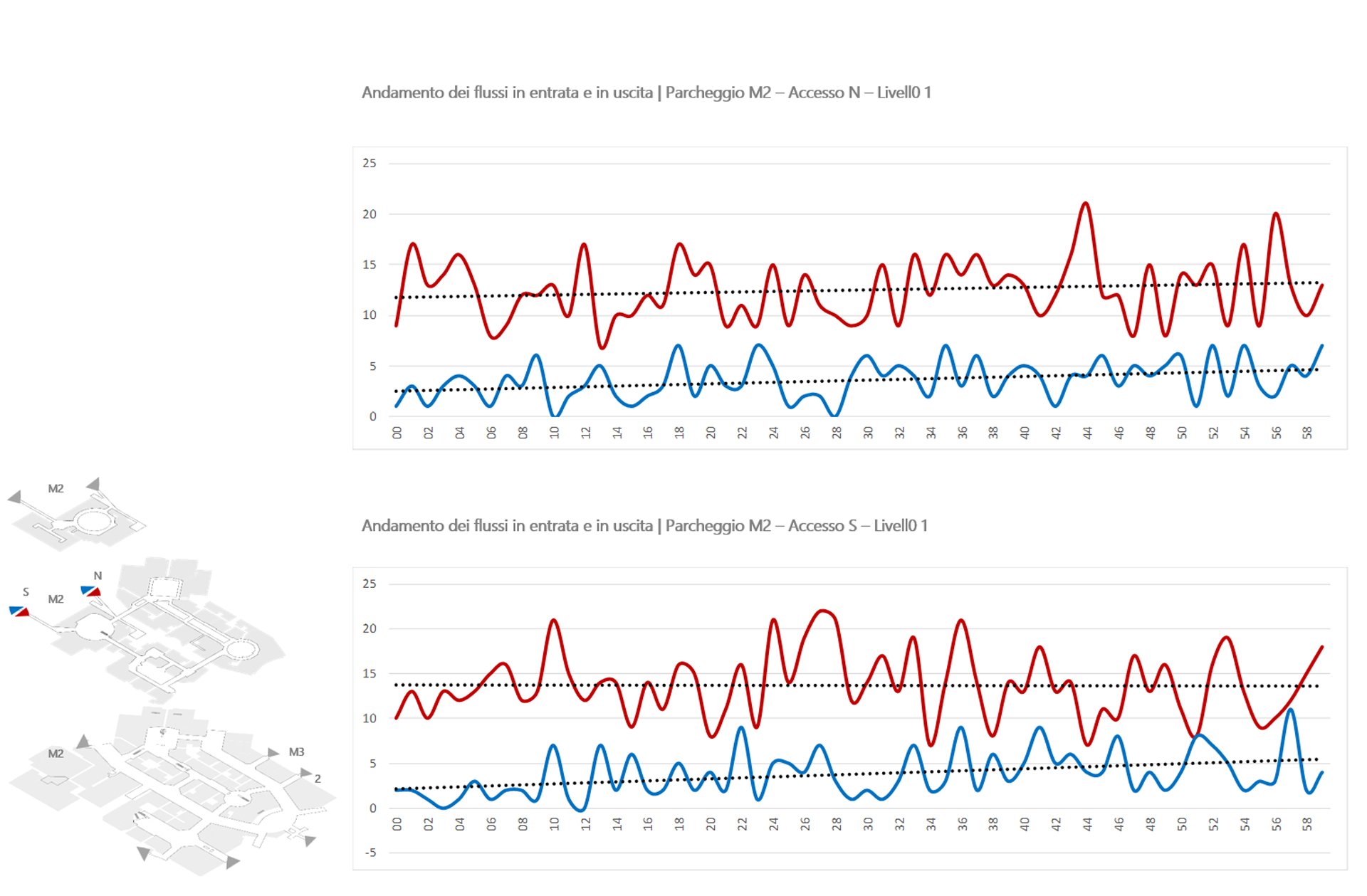
Andamento flussi dai principali punti di accesso
-
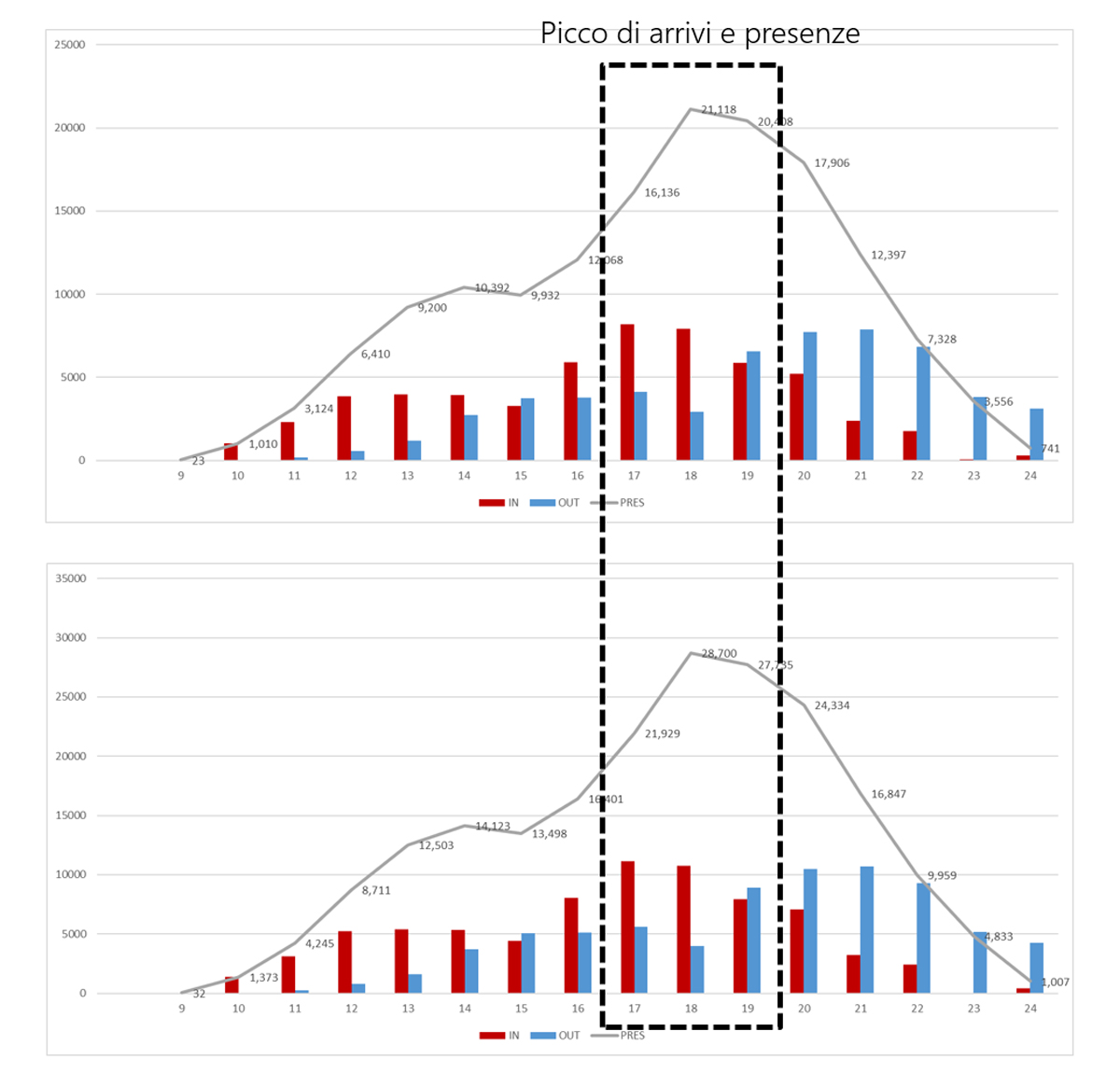
Definizione degli scenari di presenze
-
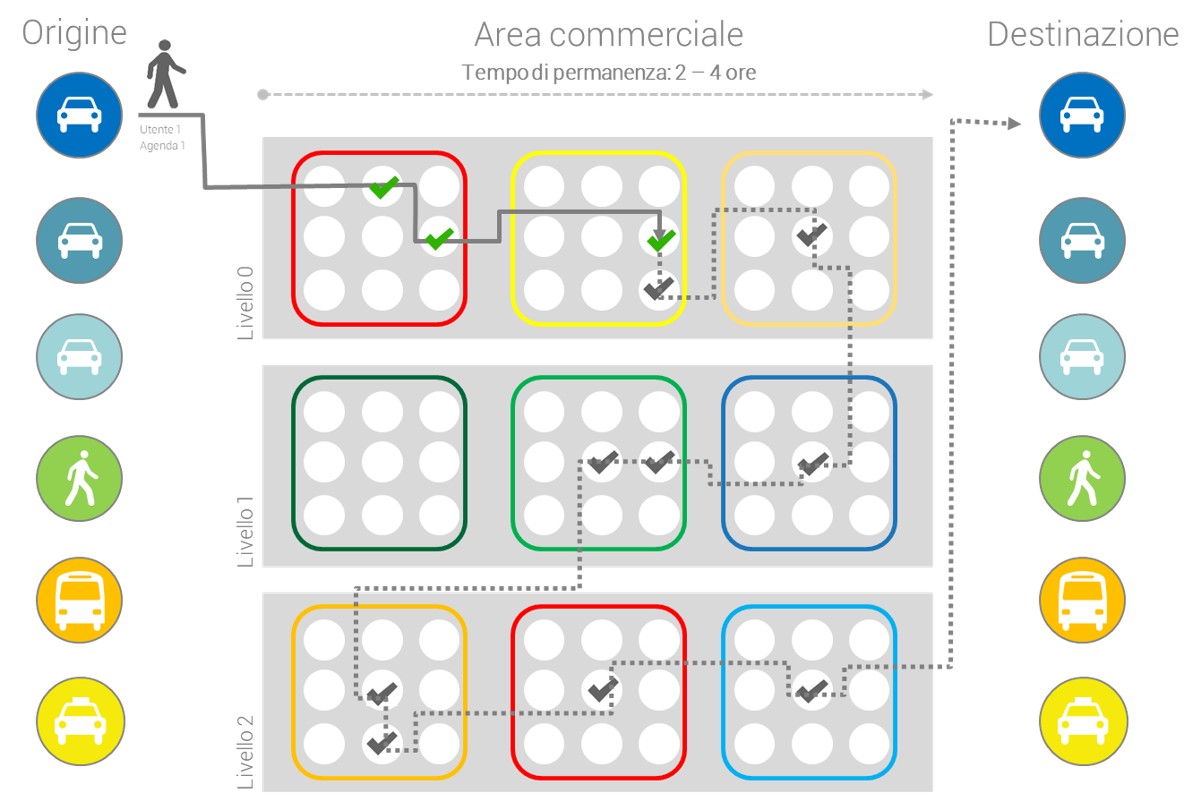
Schema di navigazione degli utenti
-
Pedestrian simulation
Our contribution
MIC-HUB’s work was structured into three phases. The first included a preliminary review of the proposed design and the previous market studies, and the development of the demand framework.
The second phase focused on traffic impact and vehicular accessibility, defining the site circulation system, access strategies, parking operations and access control systems. Specific attention was also given to heavy goods vehicle circulation and parking, supporting an efficient logistics strategy through dedicated modelling tools.
The final phase included pedestrian analysis and simulations within the mall, modelling each commercial unit and its connections with the parking areas in order to test the efficiency of the parking and access system as well as internal circulation.
A customised probabilistic model was developed to estimate access patterns to the retail units through parametric calculations, enabling the team to test the efficiency of both the parking/access system and the internal pedestrian circulation.