Masterplan Ex Trotto Milano
Milan, Italy
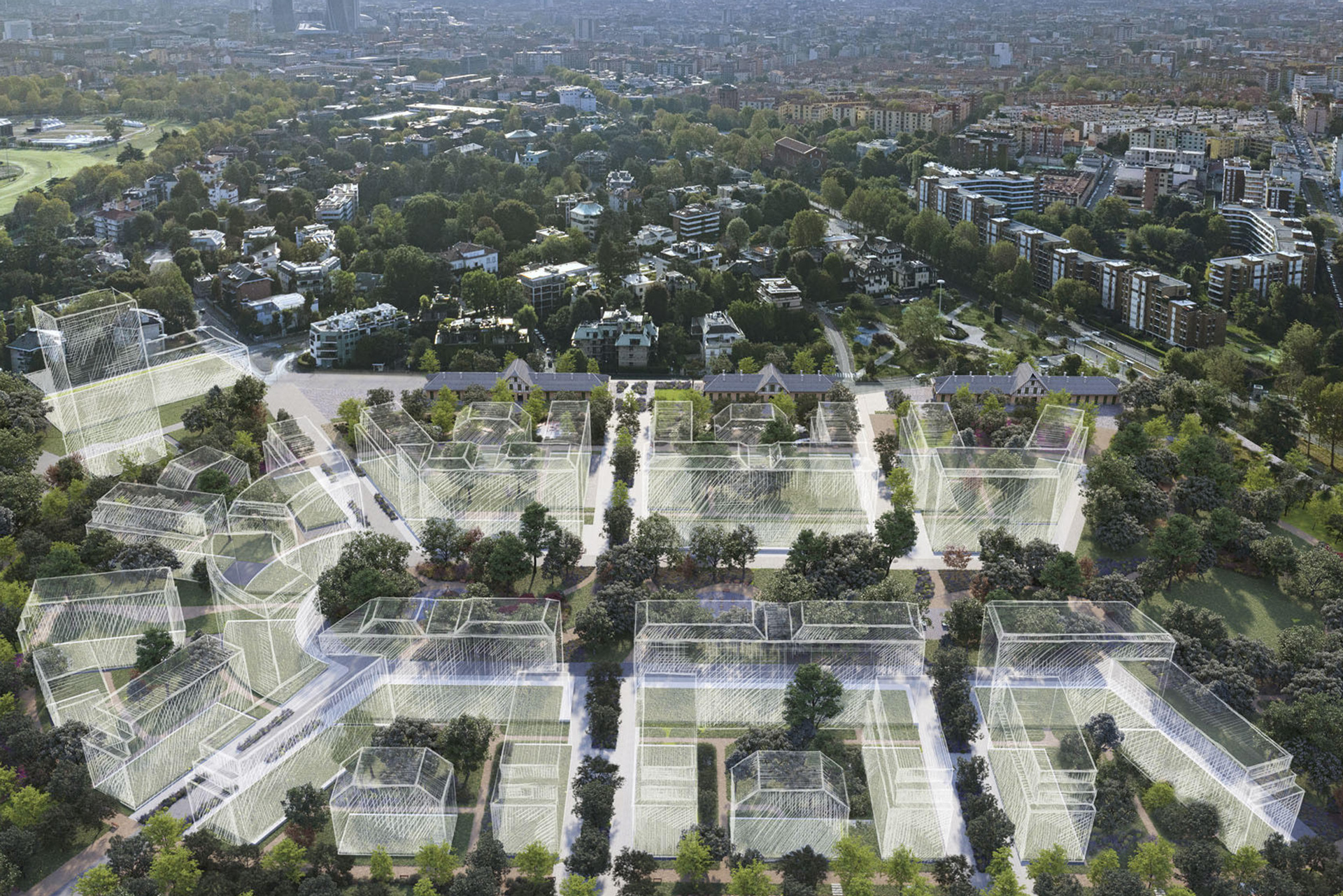
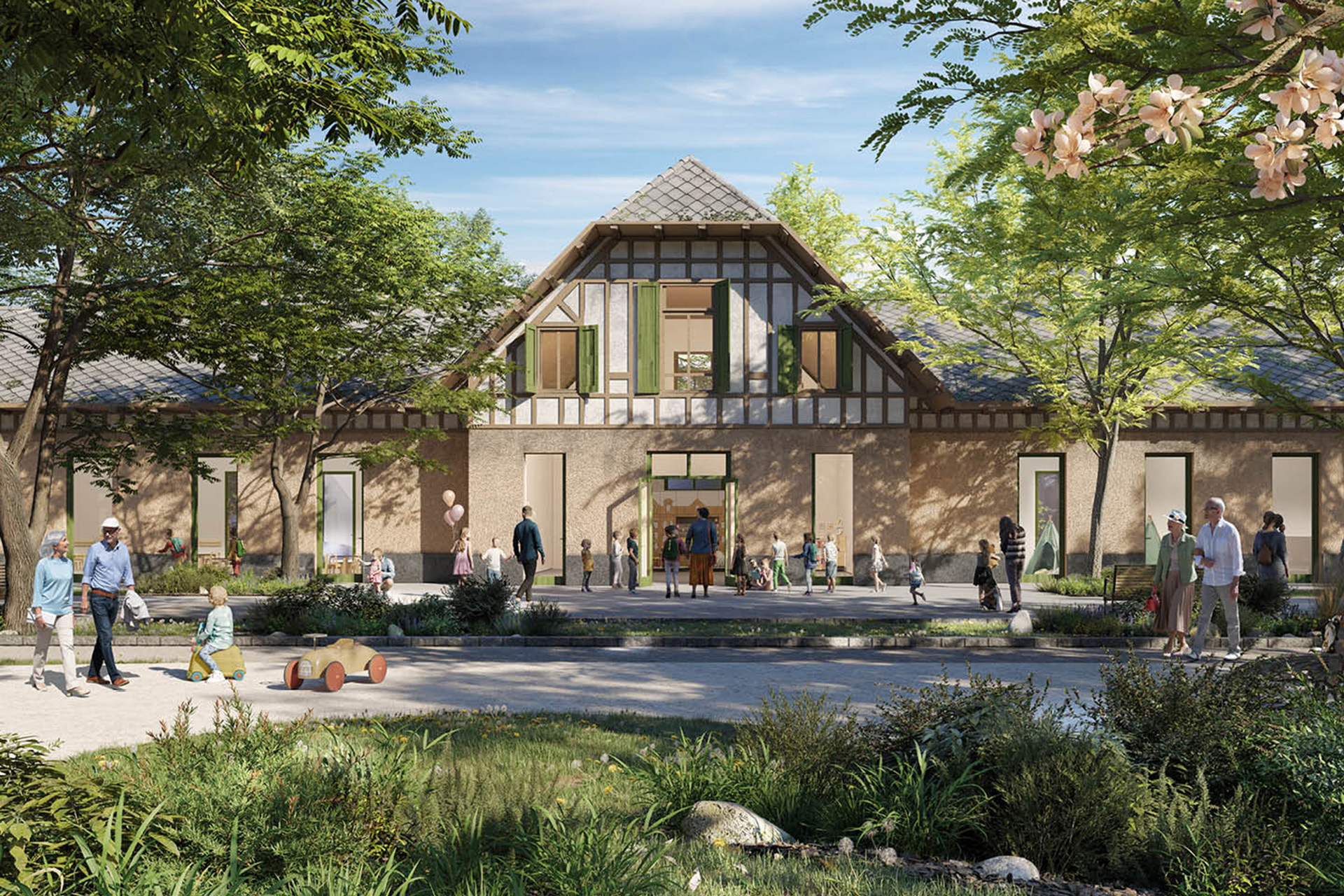
Following the signing of the Implementation Plan with the Municipality of Milan, the global real estate investment and development company Hines presented the masterplan for the Ex Trotto Milan urban regeneration project, which was designed by the international architecture firm Kohn Pedersen Fox Associates (KPF).
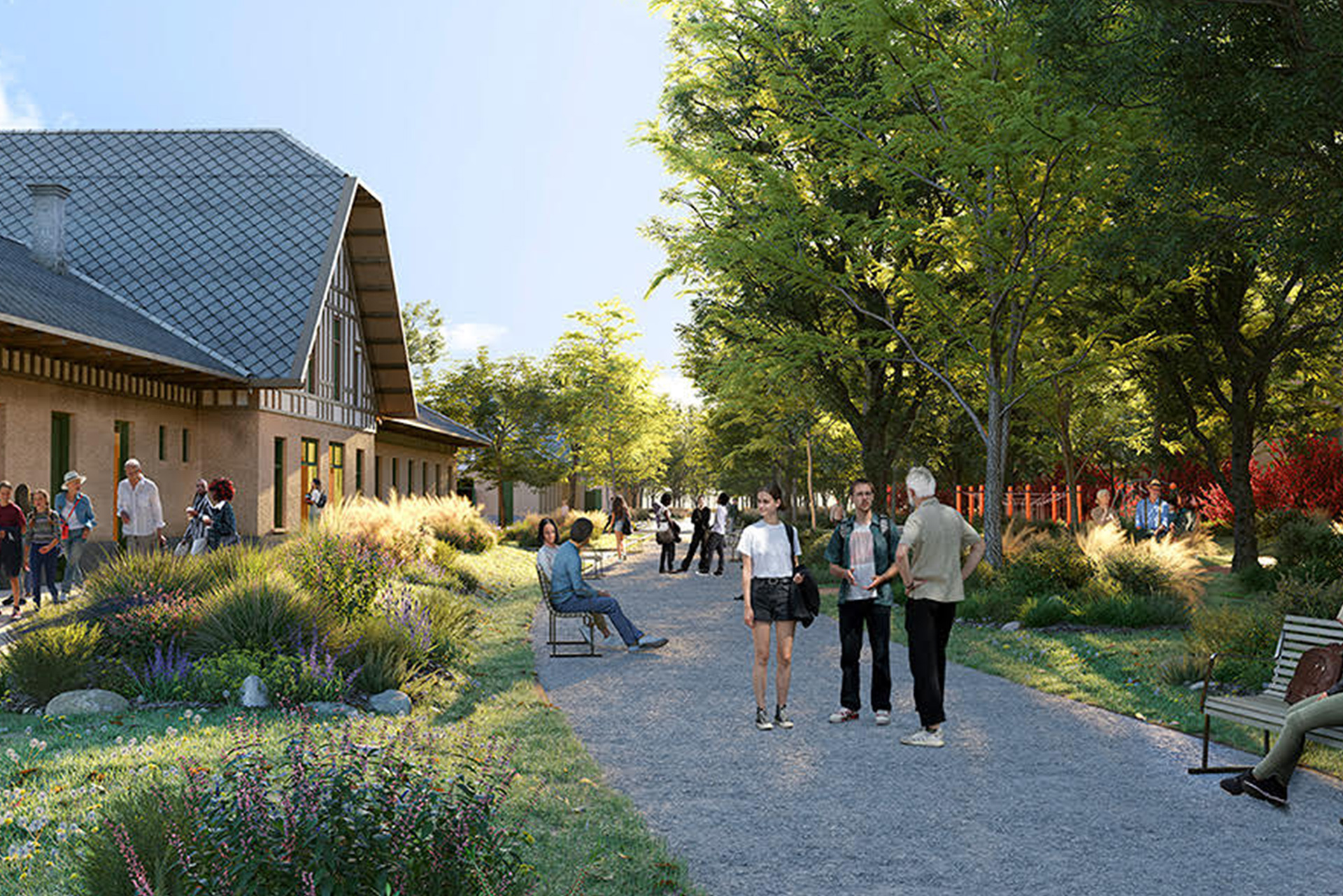
Vacant since 2012, the area is located in a residential context near the Ippodromo del Galoppo and San Siro Stadium. The project will transform the site into a predominantly pedestrian urban district designed to accommodate over 3,000 people. It will provide intergenerational spaces, high-quality housing, public services and new green areas.
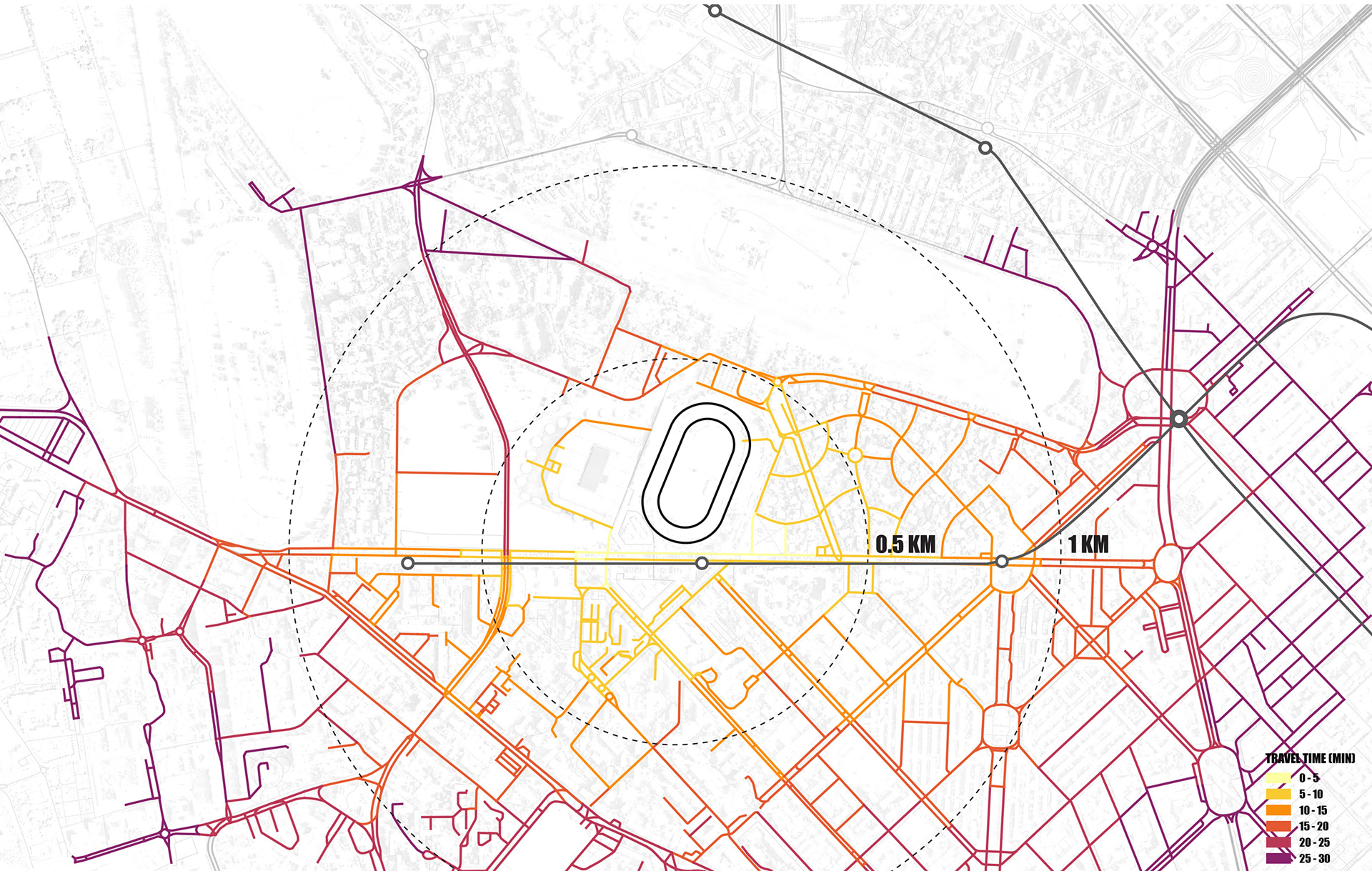
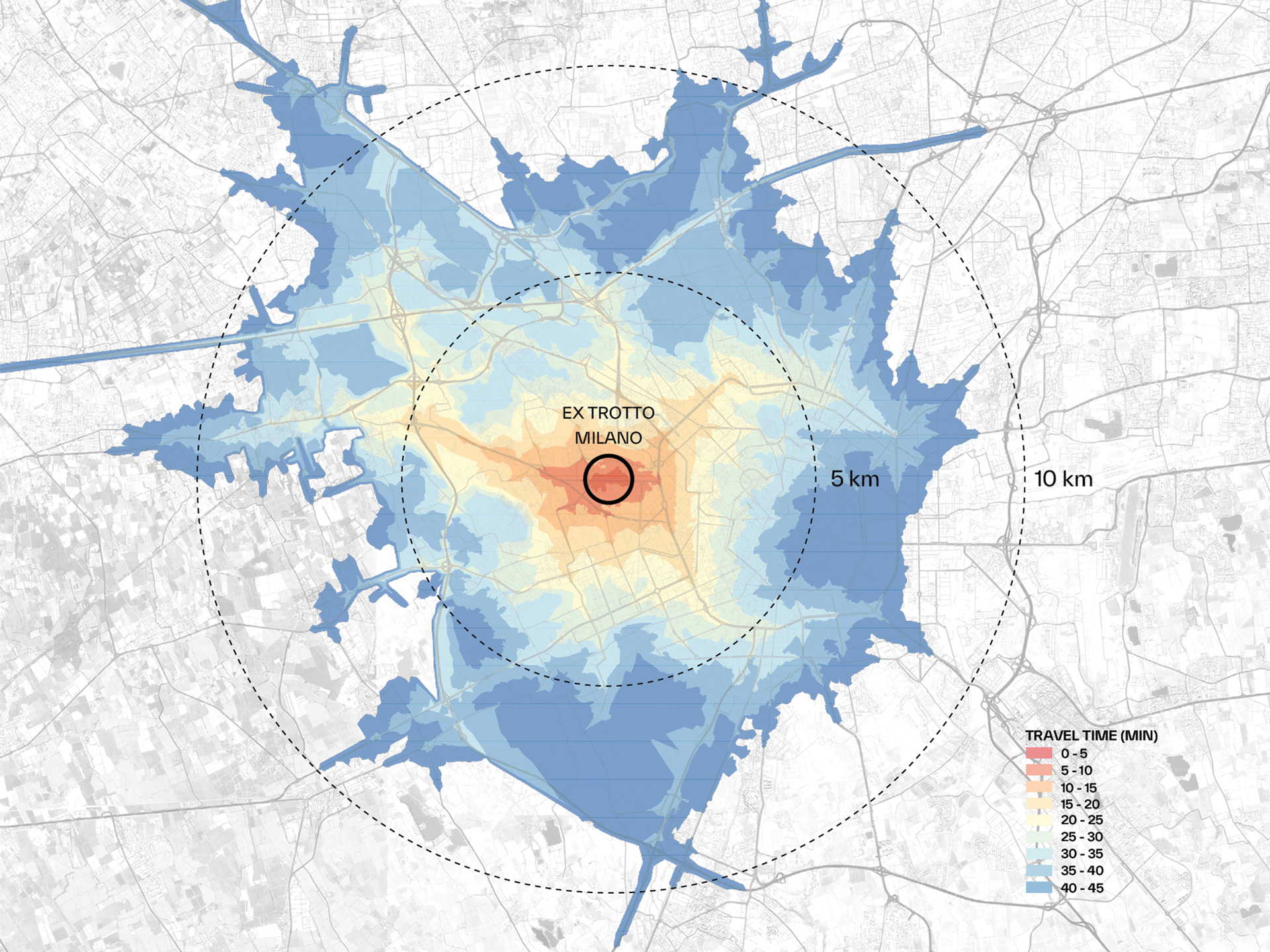
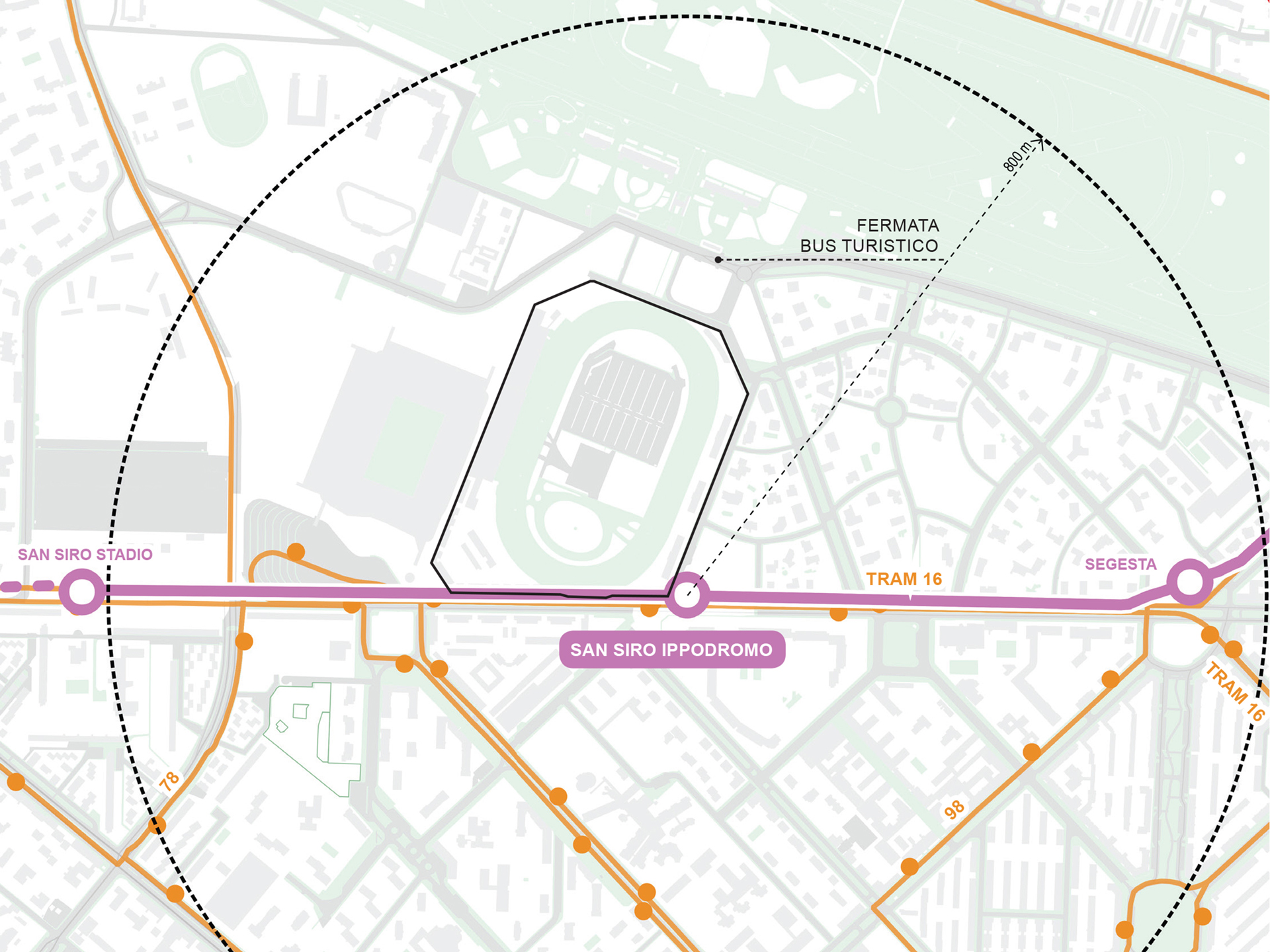
The project is underpinned by a sustainable mobility strategy, integrating pedestrian and bicycle networks with multimodal access.
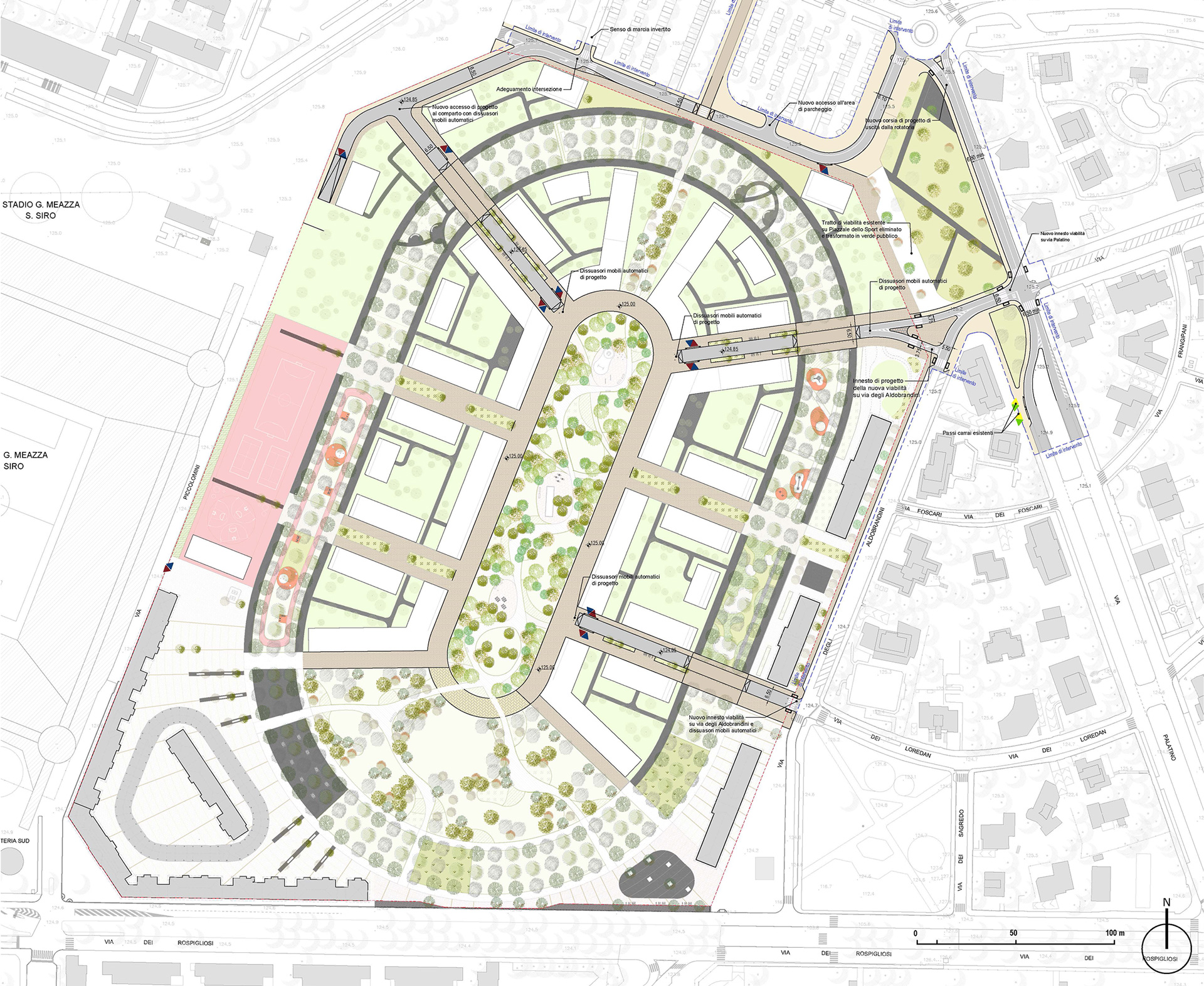
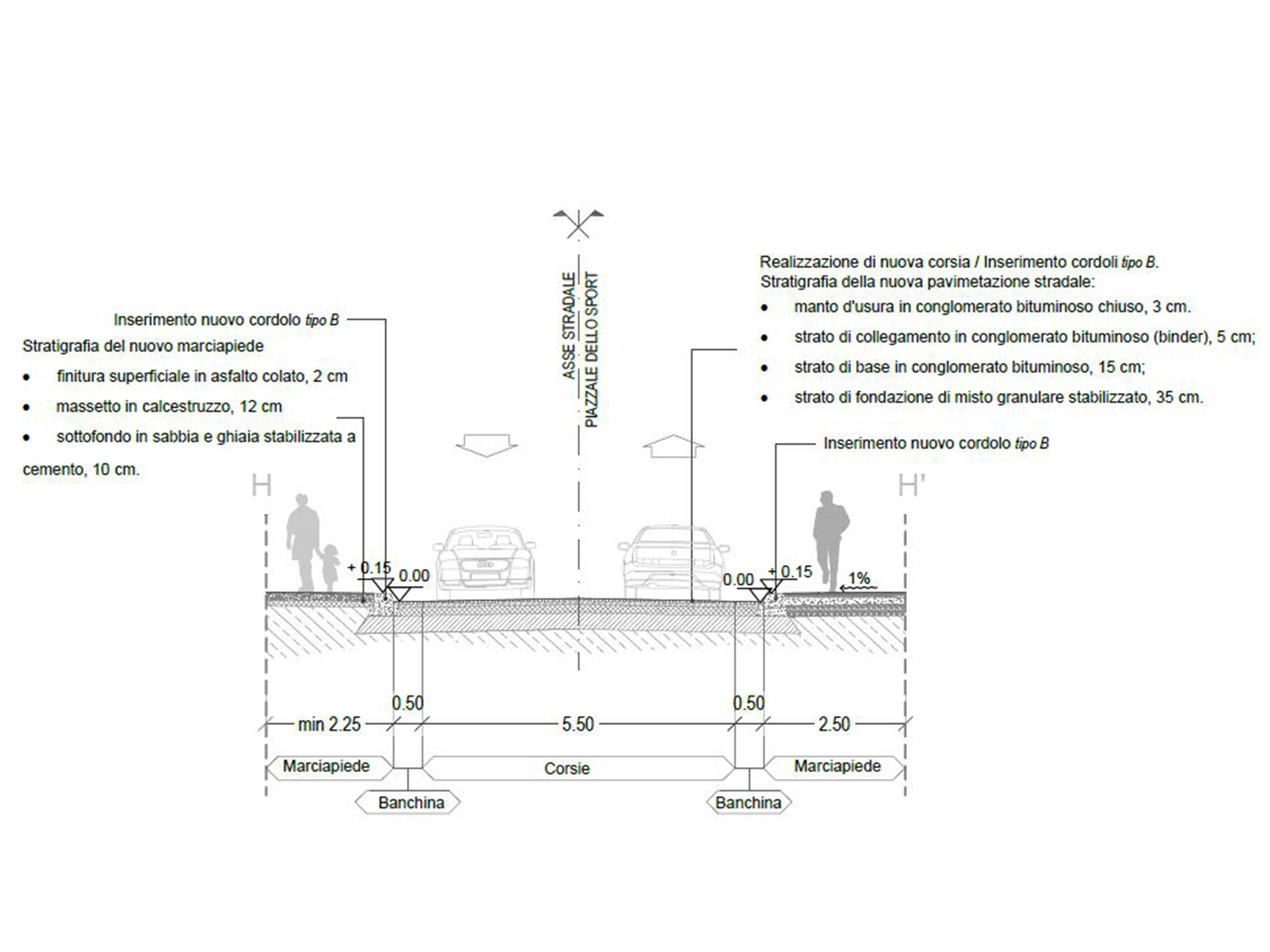
The preliminary road network design addresses external and internal access points, the internal circulation loop, traffic management on event days, and pedestrian/bicycle connectivity, ensuring balance between private, public, and active mobility.
Location
Milan, Italy
Client
Hines
PROJECT HIGHLIGHTS
- Planned residents: over 3,000
- Public services: schools, spaces for associations, sports and culture
- New green and pedestrian spaces integrated in the site
- Estimated public parking demand: approximately 100 spaces during peak hours
- Vehicle access restricted to residents and authorised users; management of vehicular flows for stadium events
Project gallery
Our contribution
MIC-HUB supported the client and design team throughout the approval process of the Implementation Plan, starting from the Concept Masterplan phase, and later developing multiple layout options and associated transport strategies.
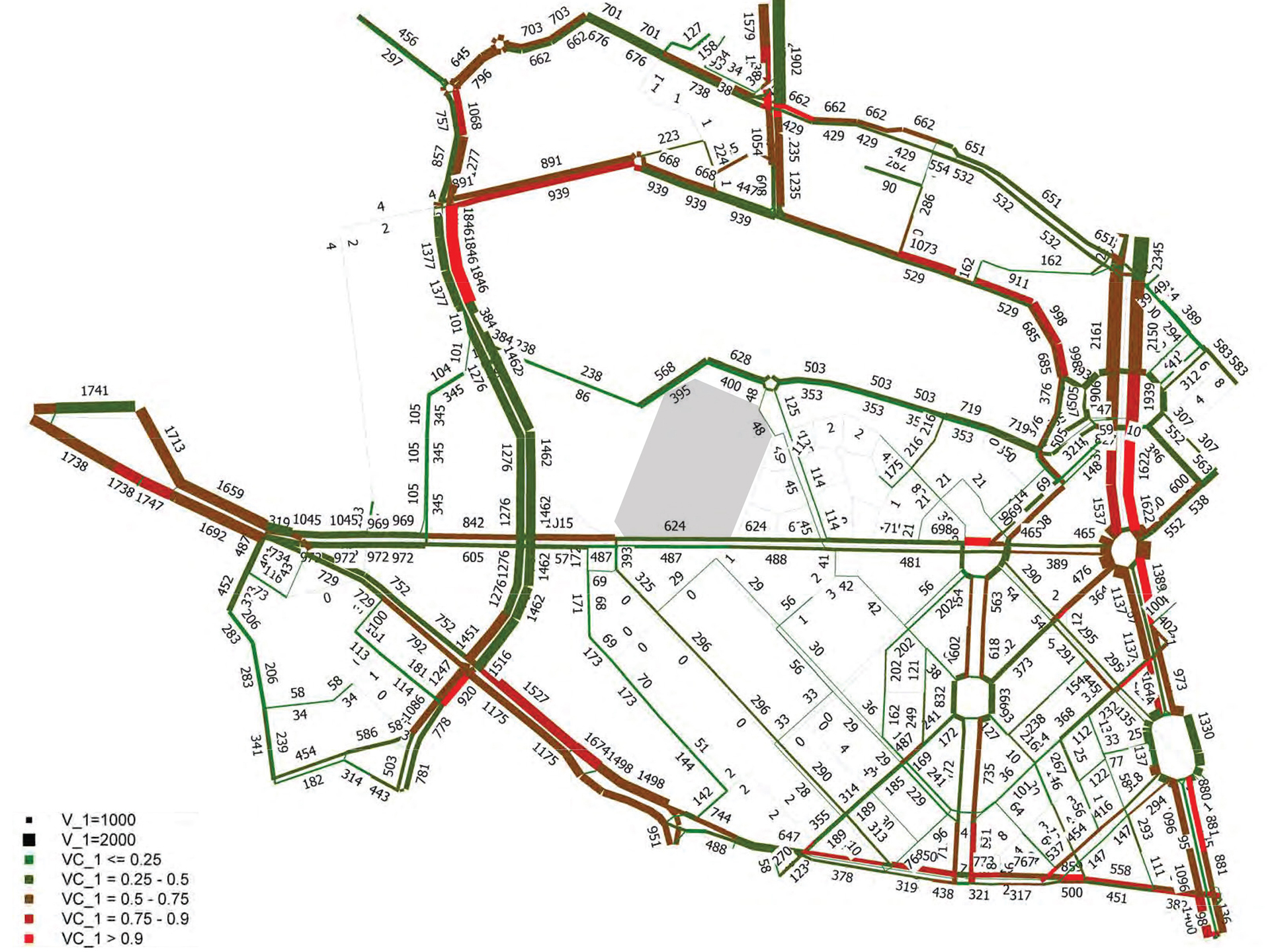
The team assessed the direct and indirect impacts on the surrounding road network and transport infrastructure, using micro-simulation models to verify and optimise accessibility and traffic flows.
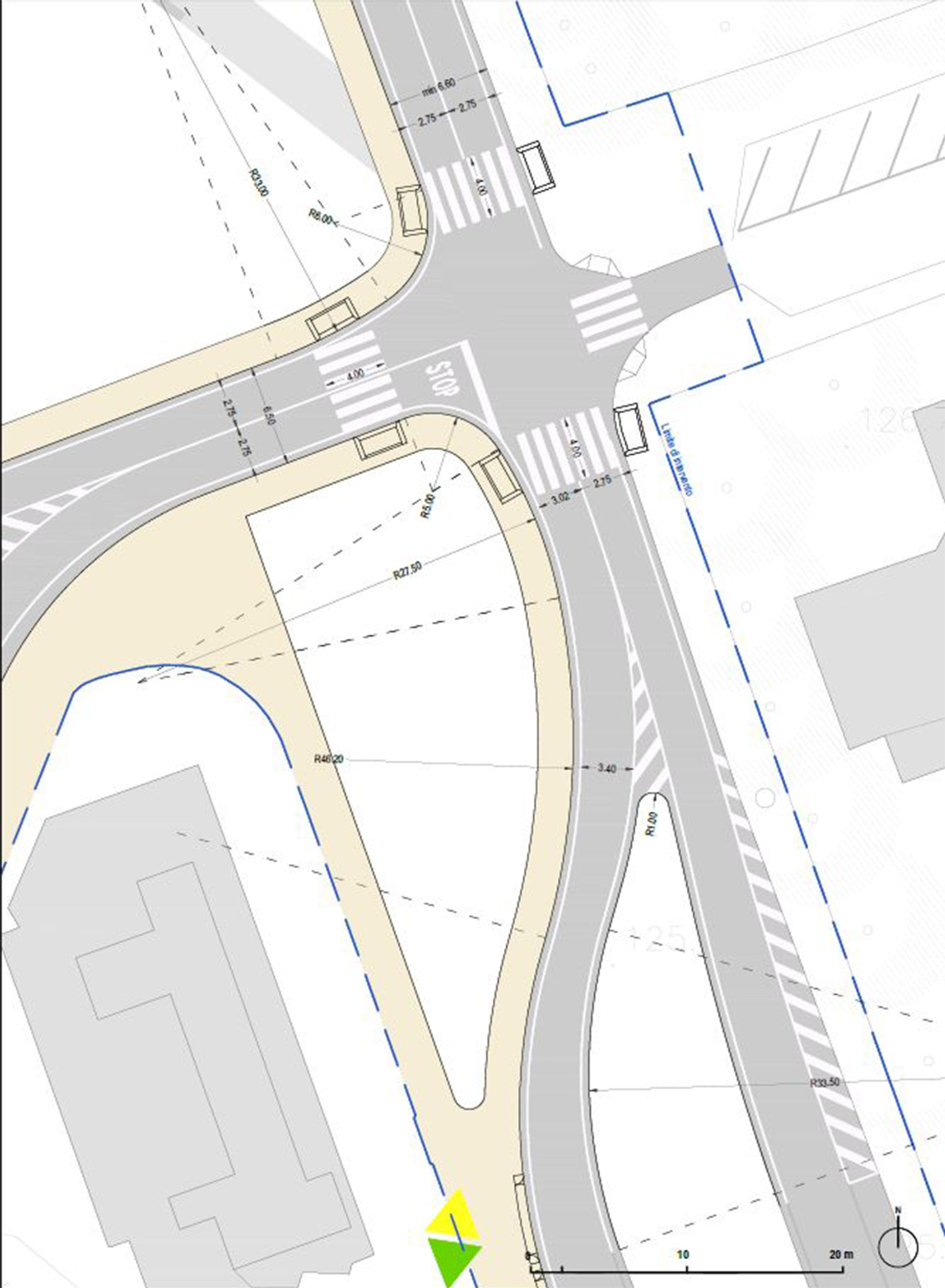
The preliminary design of the internal and external roads included redesigning intersections, defining access points and planning safe pedestrian and cycling routes to ensure sustainability, safety and multimodal integration within the surrounding urban context.