Masterplan for the reconstruction of Hatay, Turkey
Hatay, Turkey
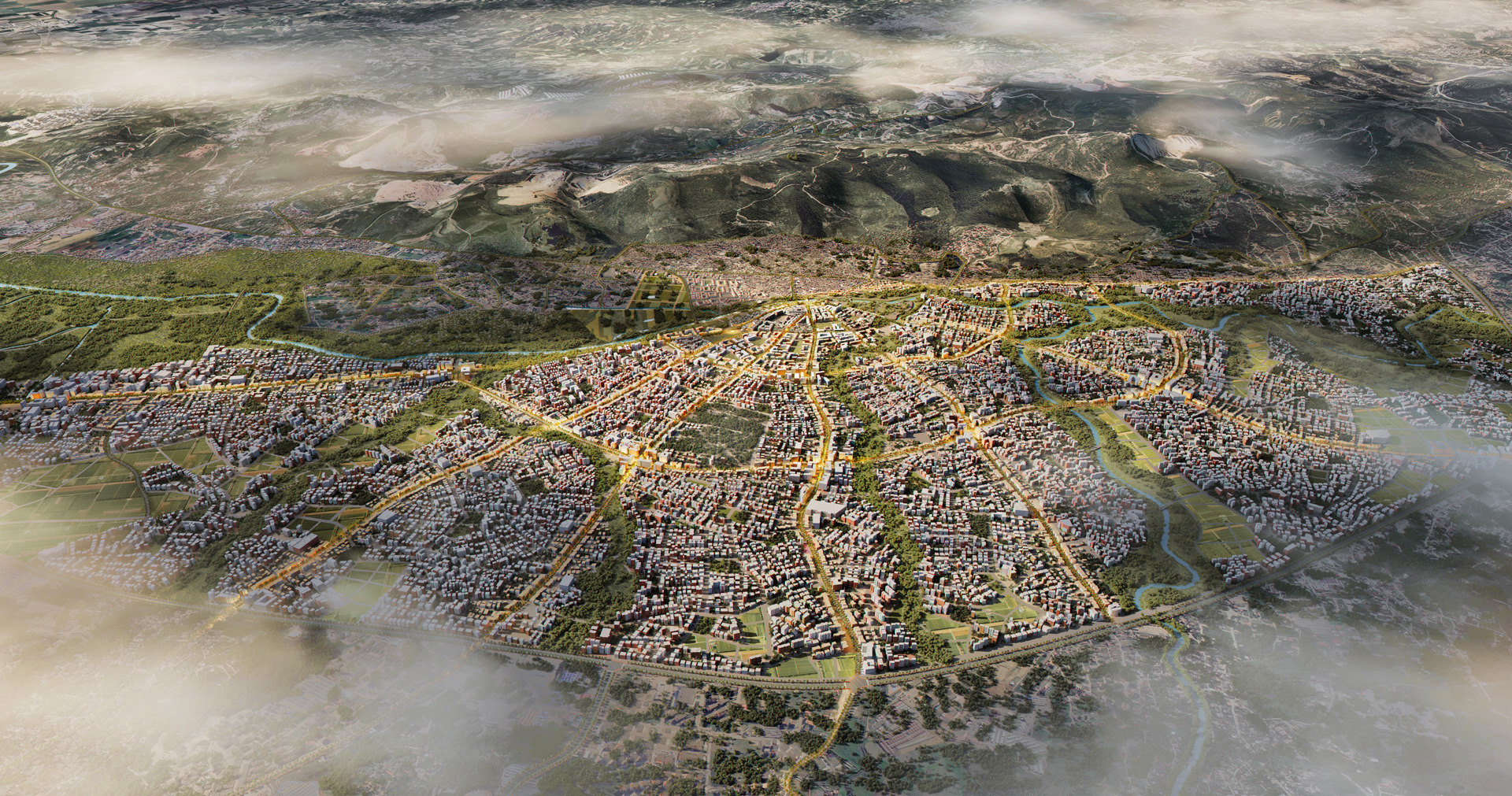
MIC-HUB supported the team in developing a masterplan for rebuilding Turkey’s Hatay province following the devastating earthquake of 2023 in southern and central Turkey and northern and western Syria.
The reconstruction, led by Foster + Partners, will help the Hatay residents who migrated after the earthquake to return to their homeland, providing also a sustainable strategy for a safer and more inclusive future.
At the heart of the proposal is a masterplan for the city of Antakya in view of the fact that 80% of the city was destroyed during the earthquake. Reconstruction requires a sensitive dialogue between theory and practice, where the aim is to ensure the region's longevity while preserving its heritage.
The masterplan was developed by Foster + Partners, Buro Happold, MIC-HUB, along with Turkish practices DB Architects, and KEYM Urban Renewal Centre.
Location
Hatay, Turkey
Client
Keym
Main expertise
Transport Masterplanning
PROJECT HIGHLIGHTS
- Mobility strategy designed to reduce car dependence
- Sustainable mobility strategy based on superblocks and active travel
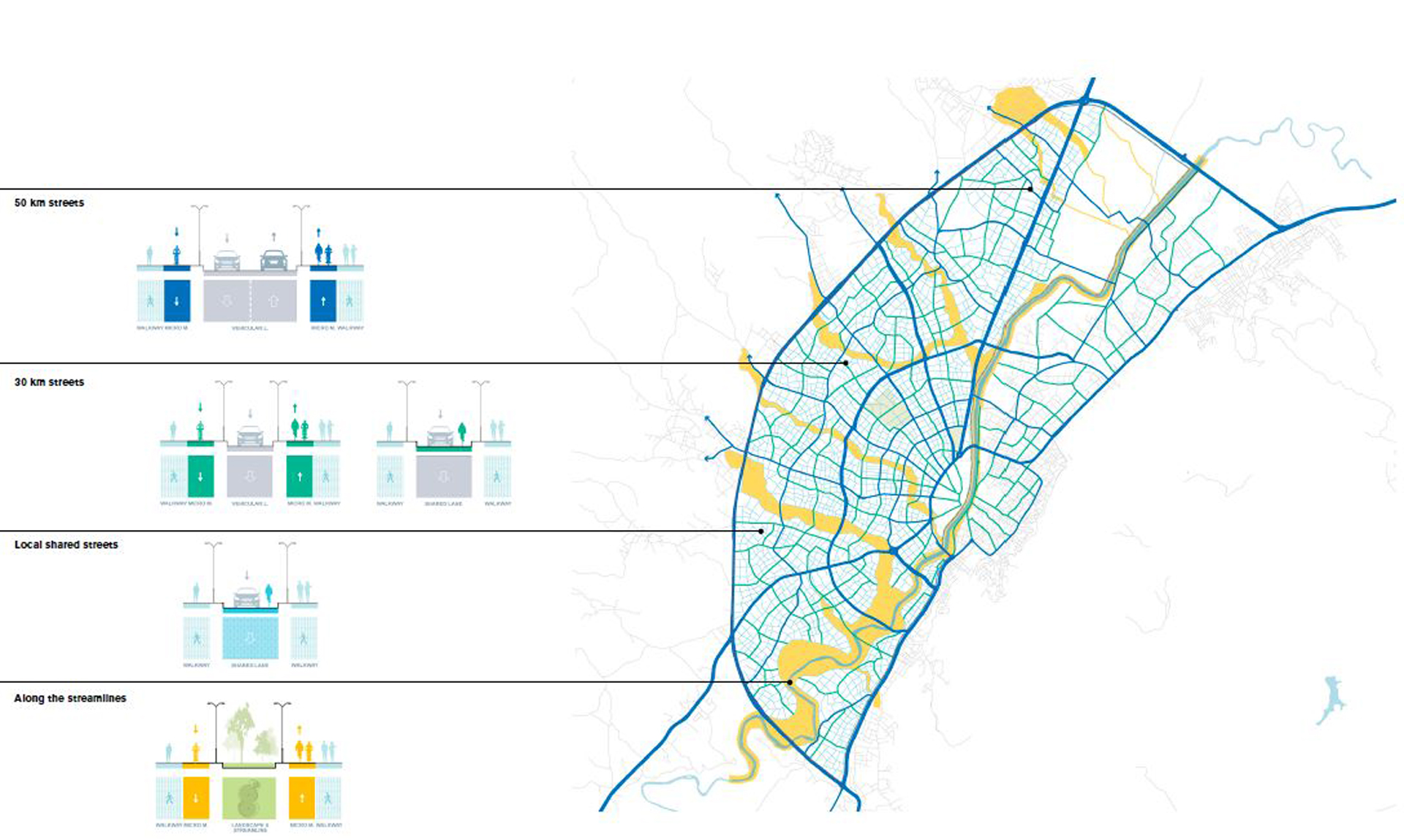
- New road hierarchy to support safer and more liveable neighbourhoods
Project gallery
Our contribution
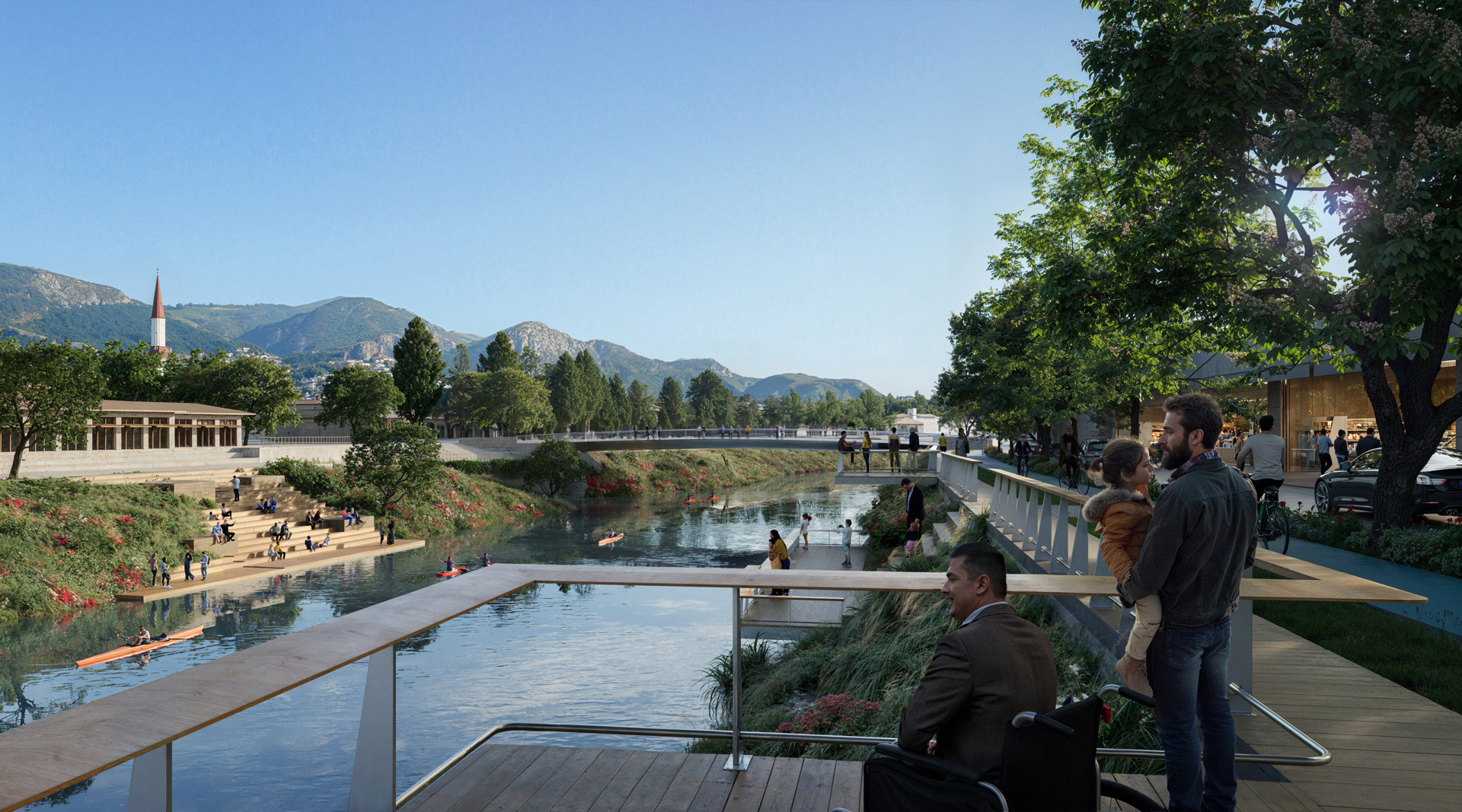
The masterplan for rebuilding Antakya involves tripling the number of green spaces, providing modern housing to replace rundown neighbourhoods, and recreating the city's rich historical fabric.
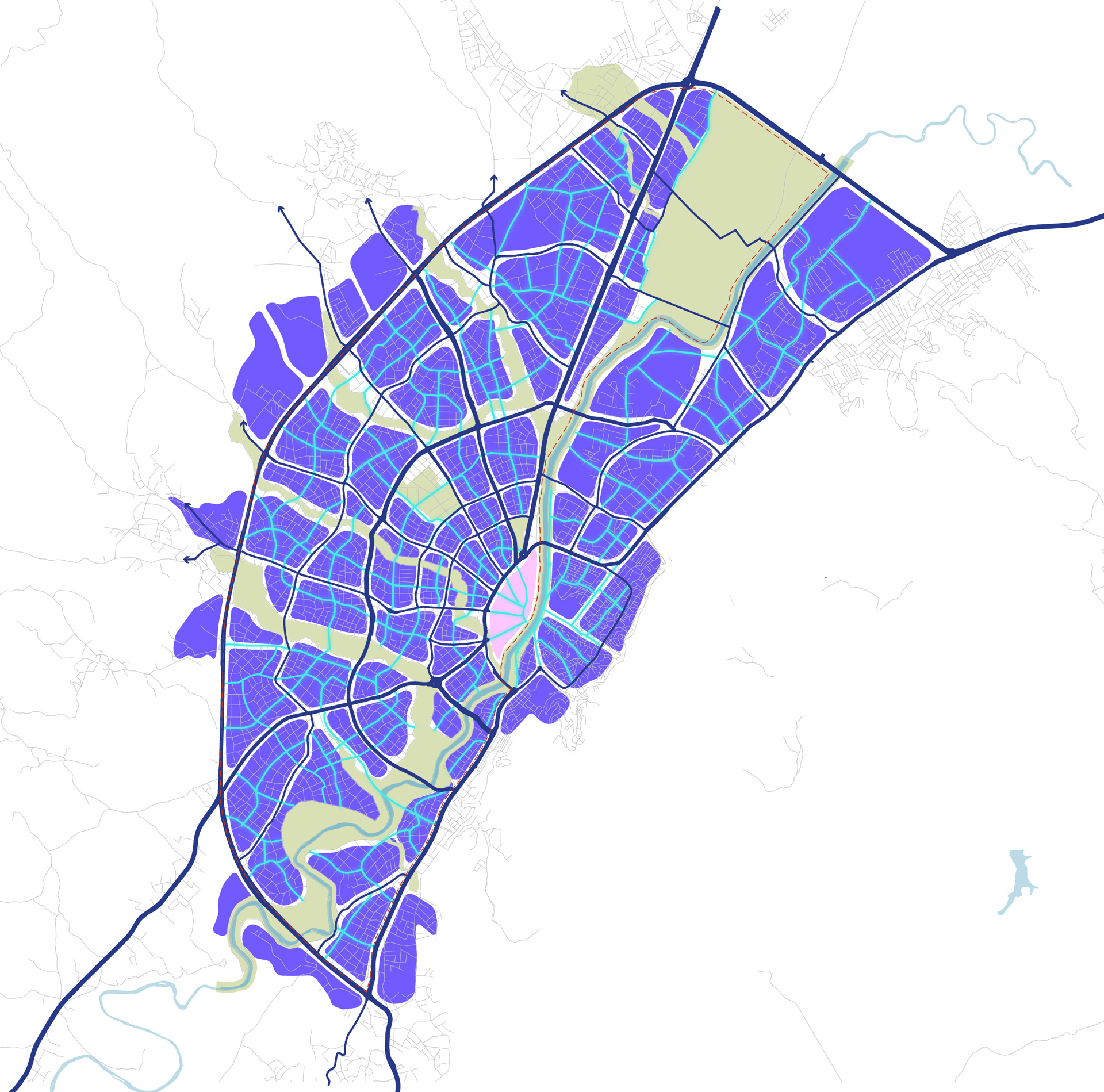
MIC-HUB studied a sustainable mobility strategy and the road network hierarchy, taking into account future developments based on the superblock strategy.
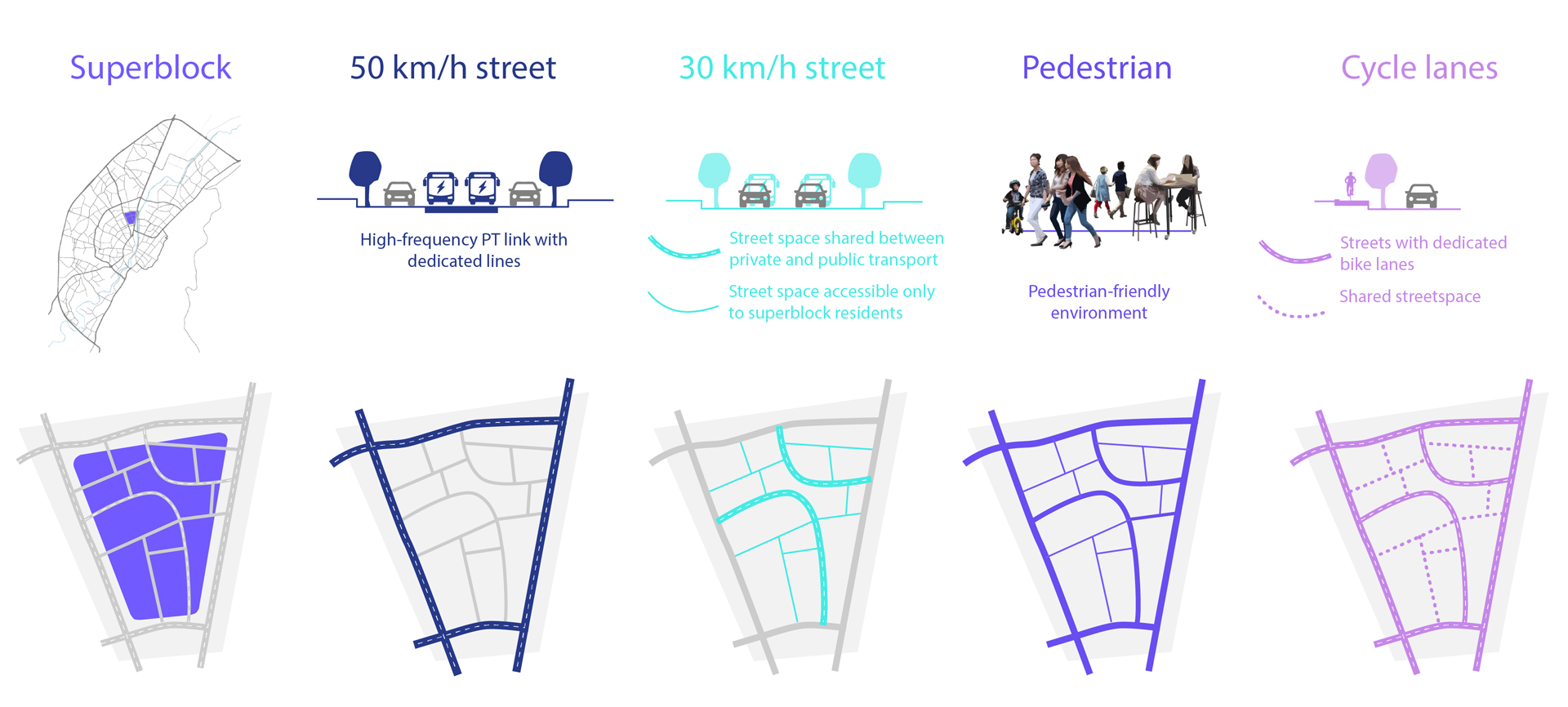
Superblocks are basic neighbourhood units designed to reduce the space assigned to cars and enable alternative uses, improving liveability and sustainability. The speed limit on internal streets is 10 or 20 km/h.
Green arteries within the blocks are unpaved, multifunctional spaces/corridors that address ecological and leisure needs. They also facilitate mobility between different areas of the city.
The primary streets outside the blocks are the backbone of the road network, having a speed limit of 50 km/h.
The masterplan focuses on cycling strategies and active mobility infrastructure as key ways of improving lifestyles while reducing toxic emissions.
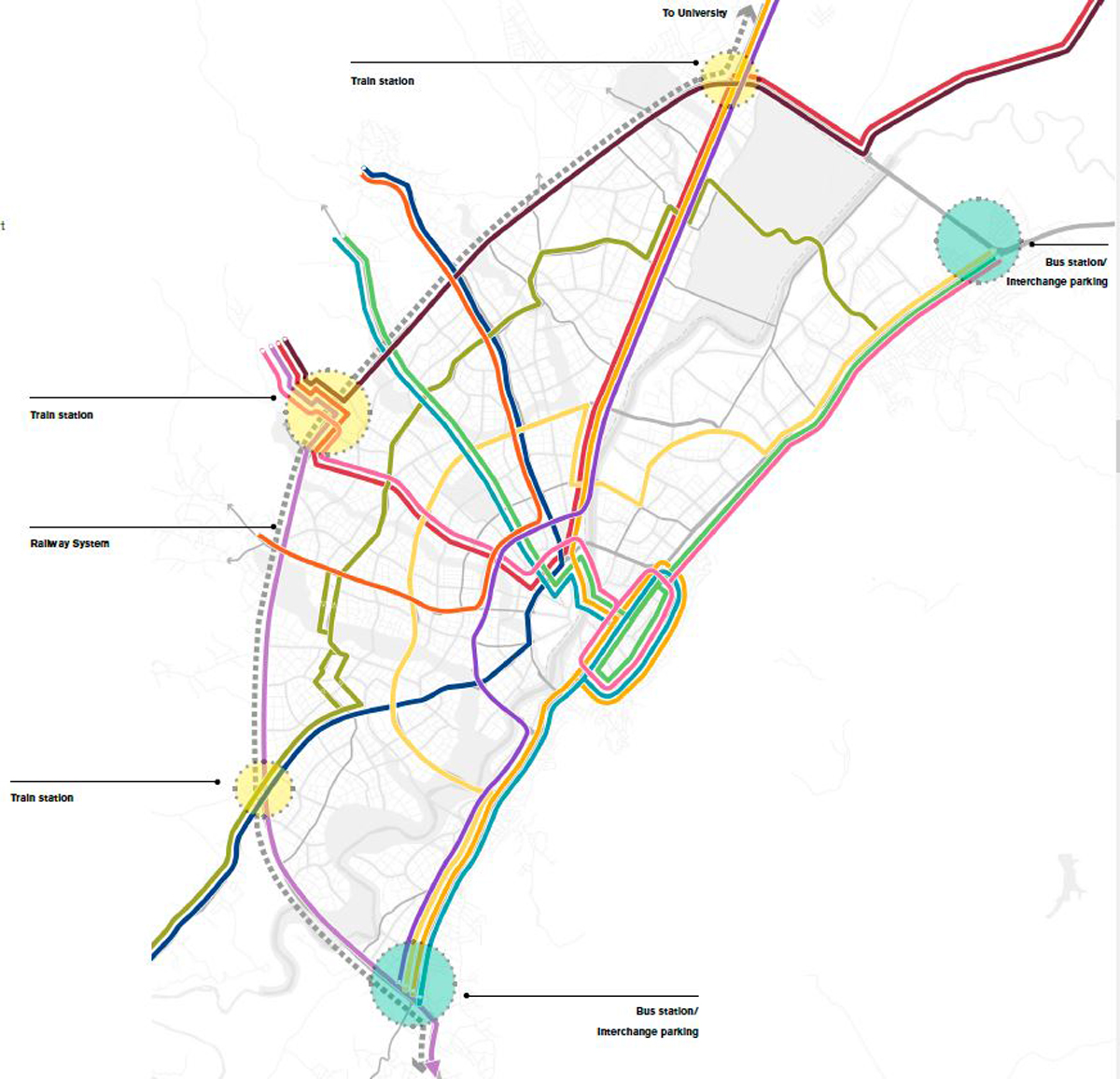
The mobility strategy provides targeted solutions for strong public connections, viable alternatives to private cars and micro-mobility options through the study of origin/destination matrices.