Pasifik Ego Masterplan, Ankara
Ankara, Turkey
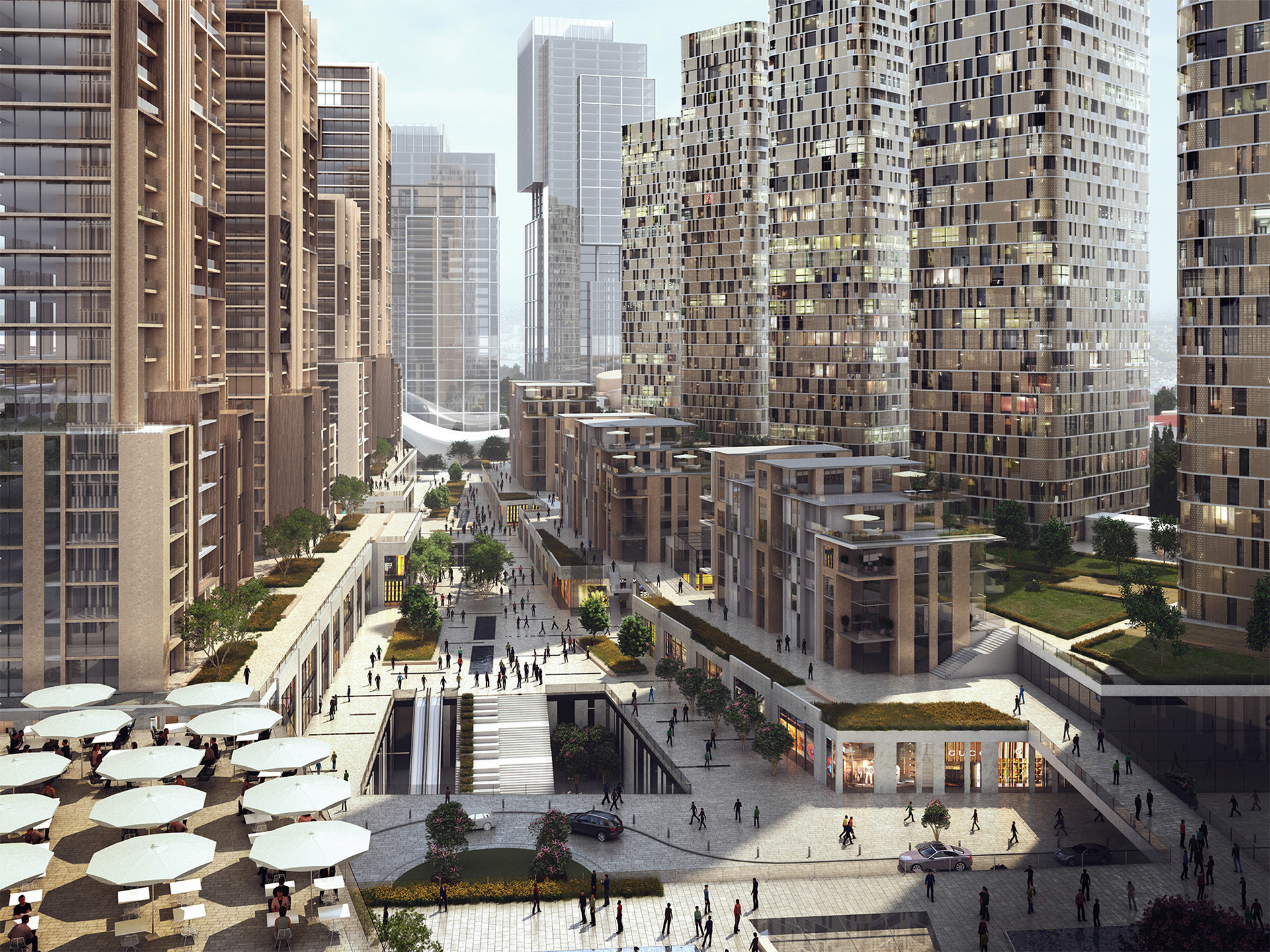
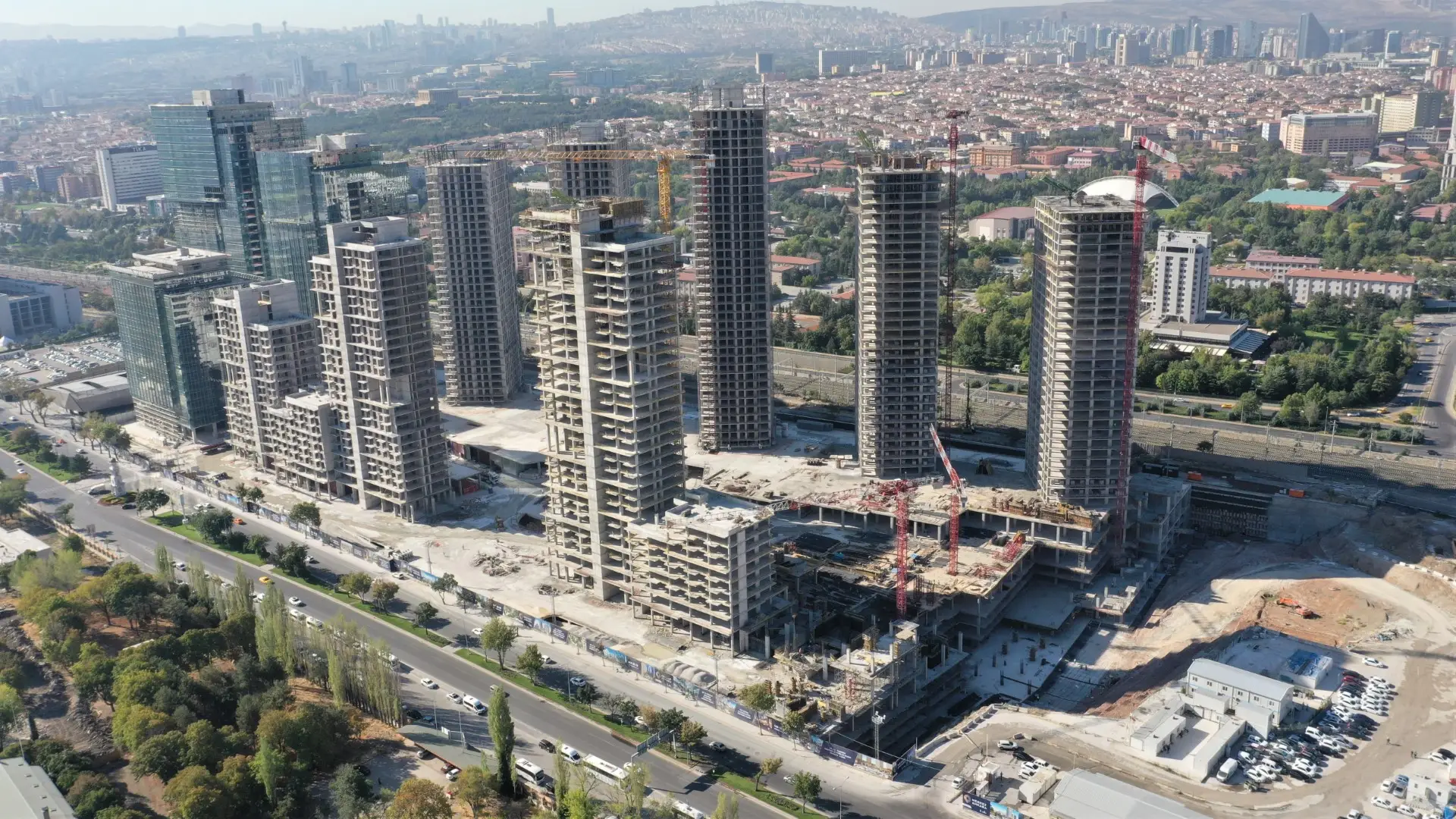
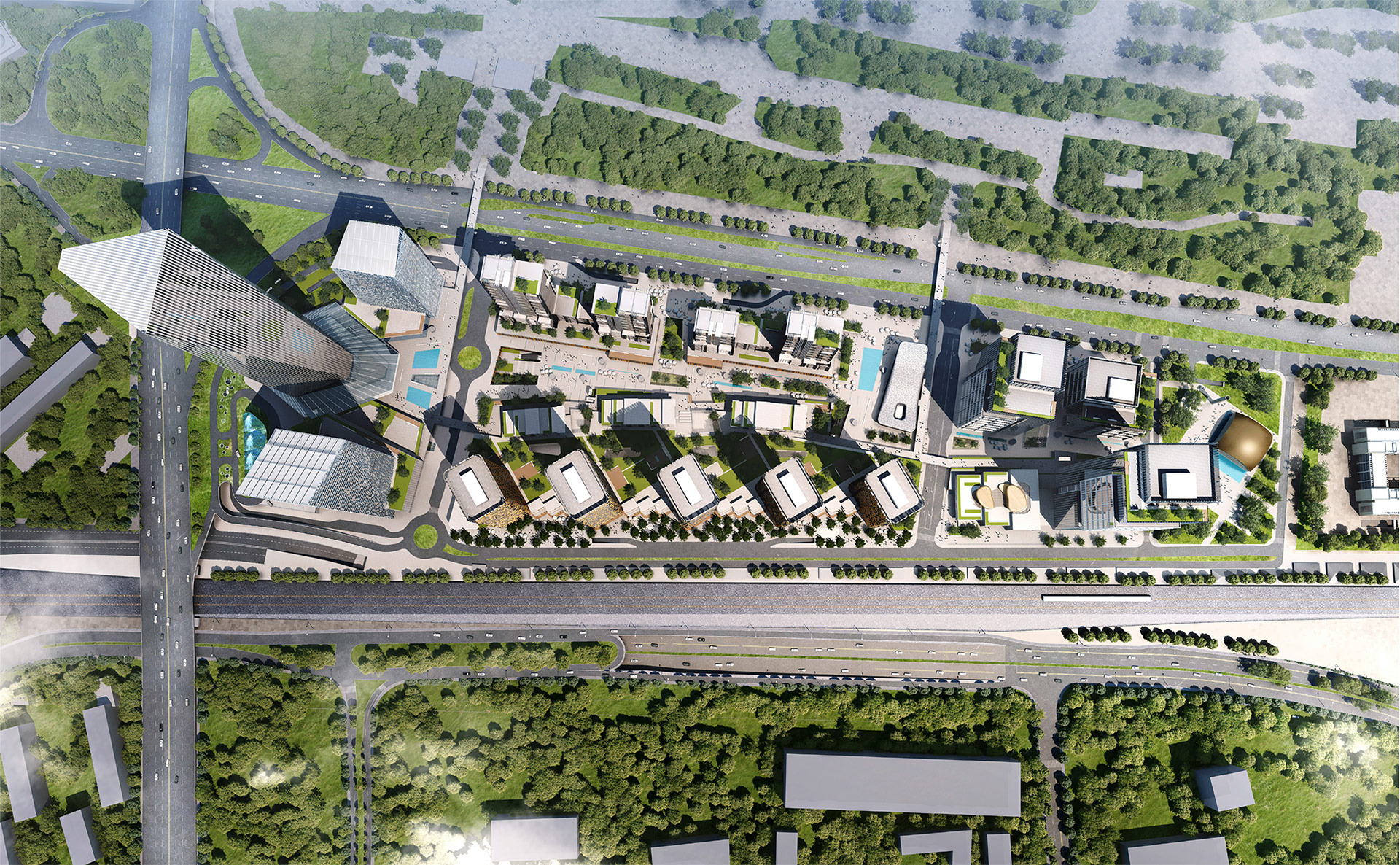
Pasifik Ego is a large-scale, mixed-use development in the heart of Ankara, Turkey. It is designed to integrate residential, commercial, hospitality and government functions within a cohesive urban environment.
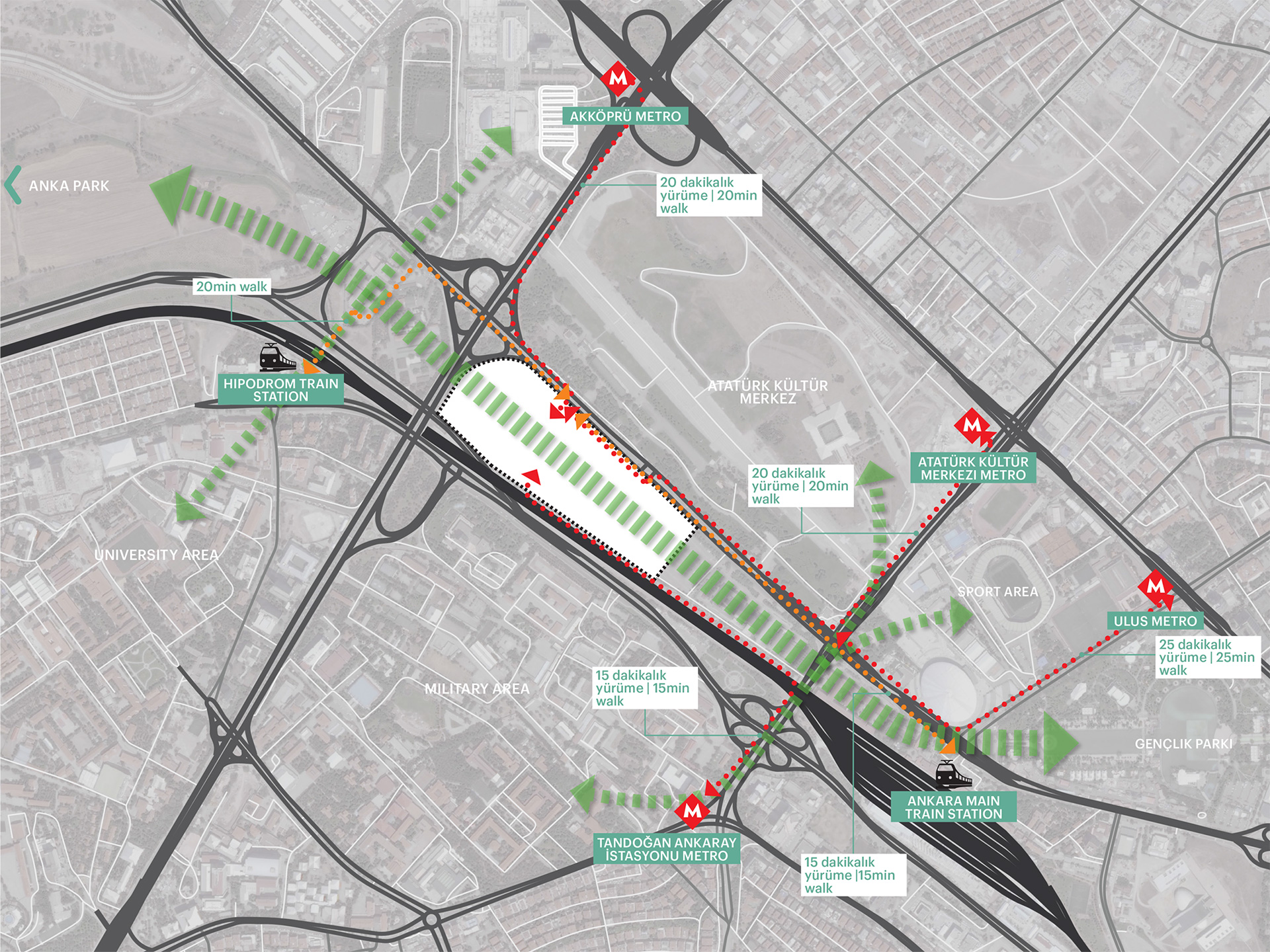
The 14-hectare development is organised across multiple levels, combining buildings, public spaces and pedestrian connections into a continuous urban system. Internal retail streets, open plazas, roof terraces and an elevated pedestrian walkway form a network of accessible routes connecting the new district to the park surrounding the Atatürk Cultural Centre and the wider network of public spaces in the city.
The overall masterplan was developed by KPF (Kohn Pedersen Fox), leading an international multidisciplinary team including WSP, Thornton Tomasetti, MRG Studio, and MIC-HUB who was in charge of the mobility strategy for the mixed-use complex.
Location
Ankara, Turkey
Client
Pasifik Ego Masterplan, Ankara
Main expertise
Parking Consultancy; Road Design and Streetscape; Transport and Traffic Modelling
PROJECT HIGHLIGHTS
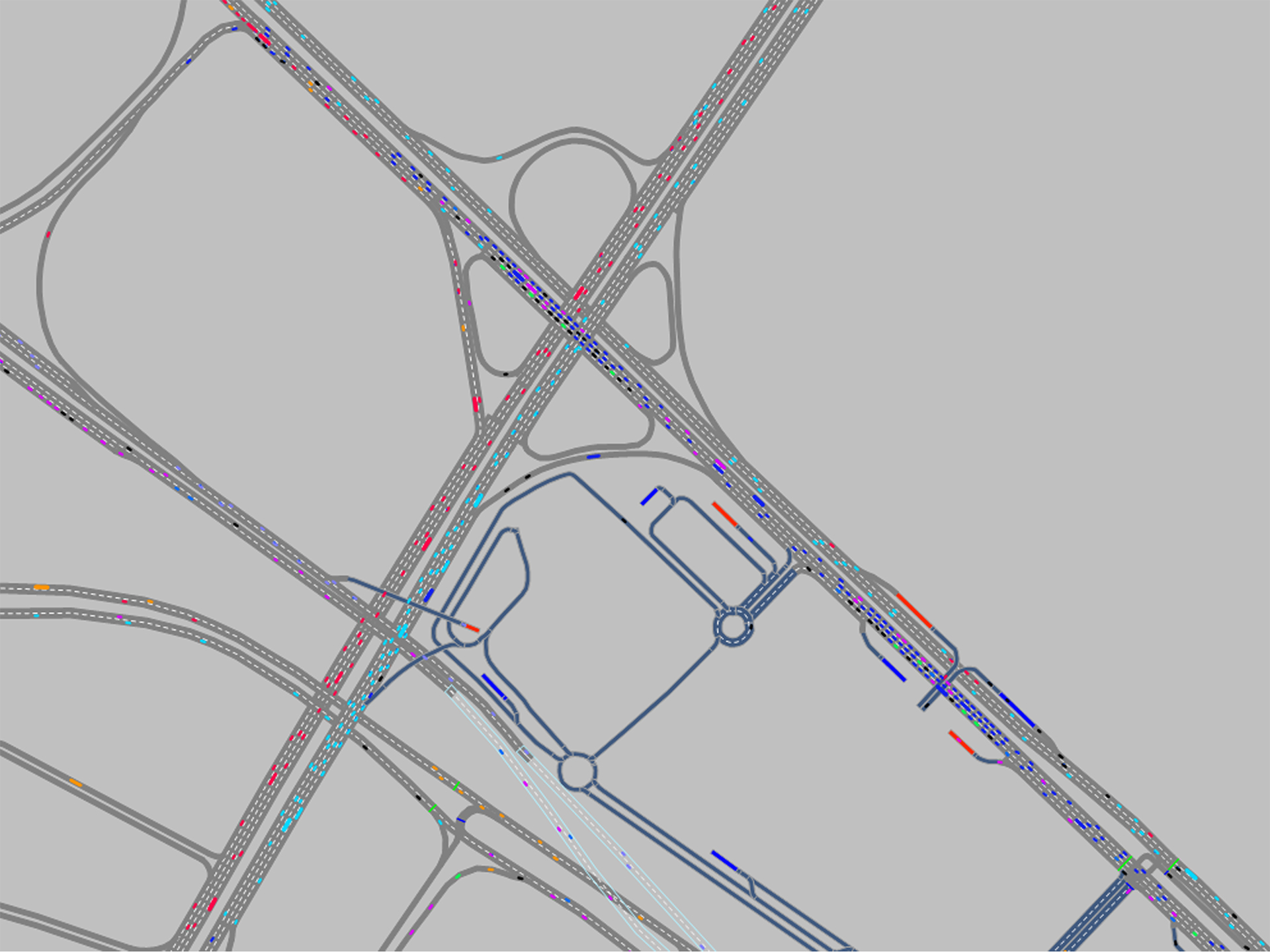
- Traffic microsimulation model to test various scenarios for reconfiguring the road network and assess the impact of the new development
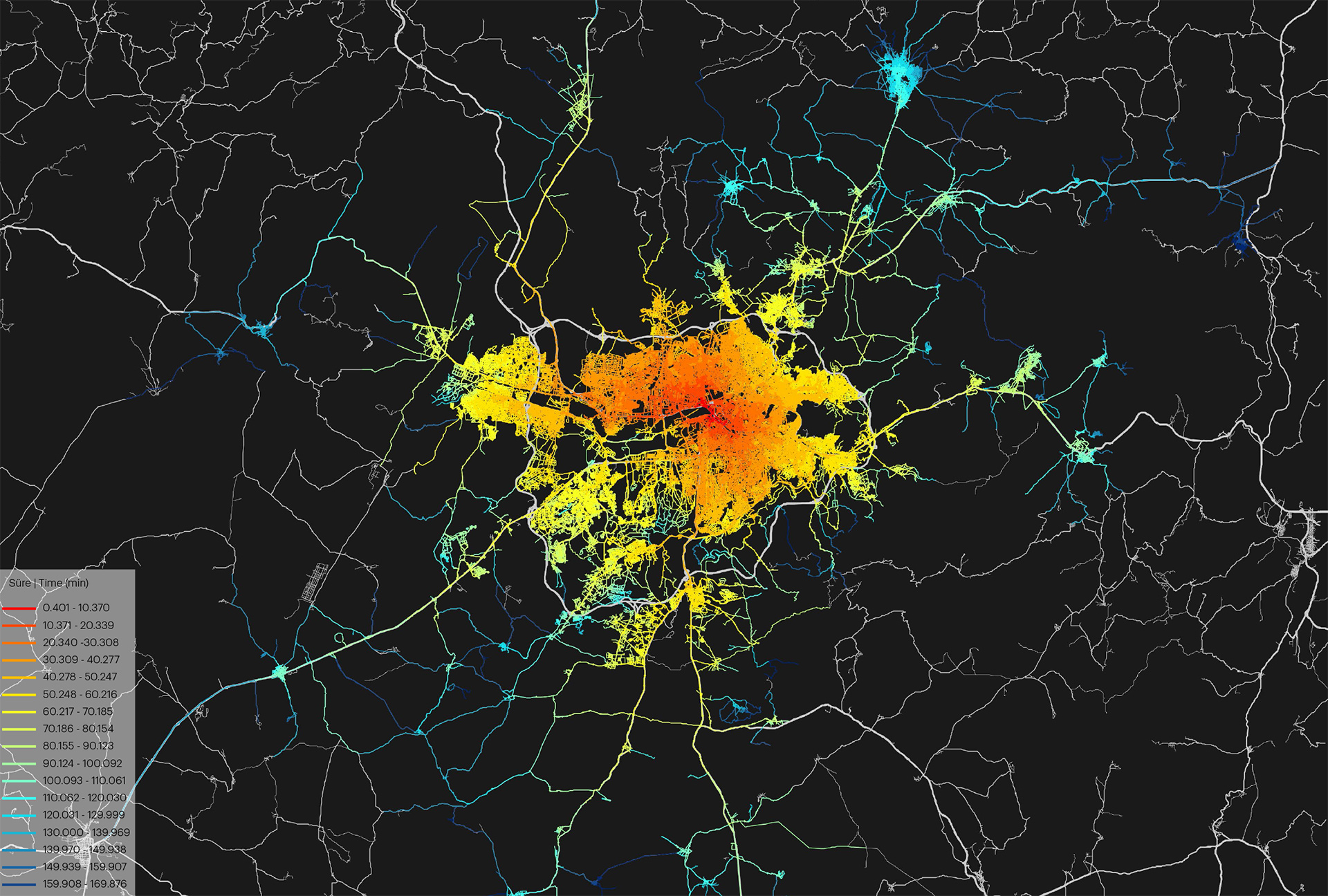
- Assessment of traffic, accessibility levels, and operational efficiency of the complex
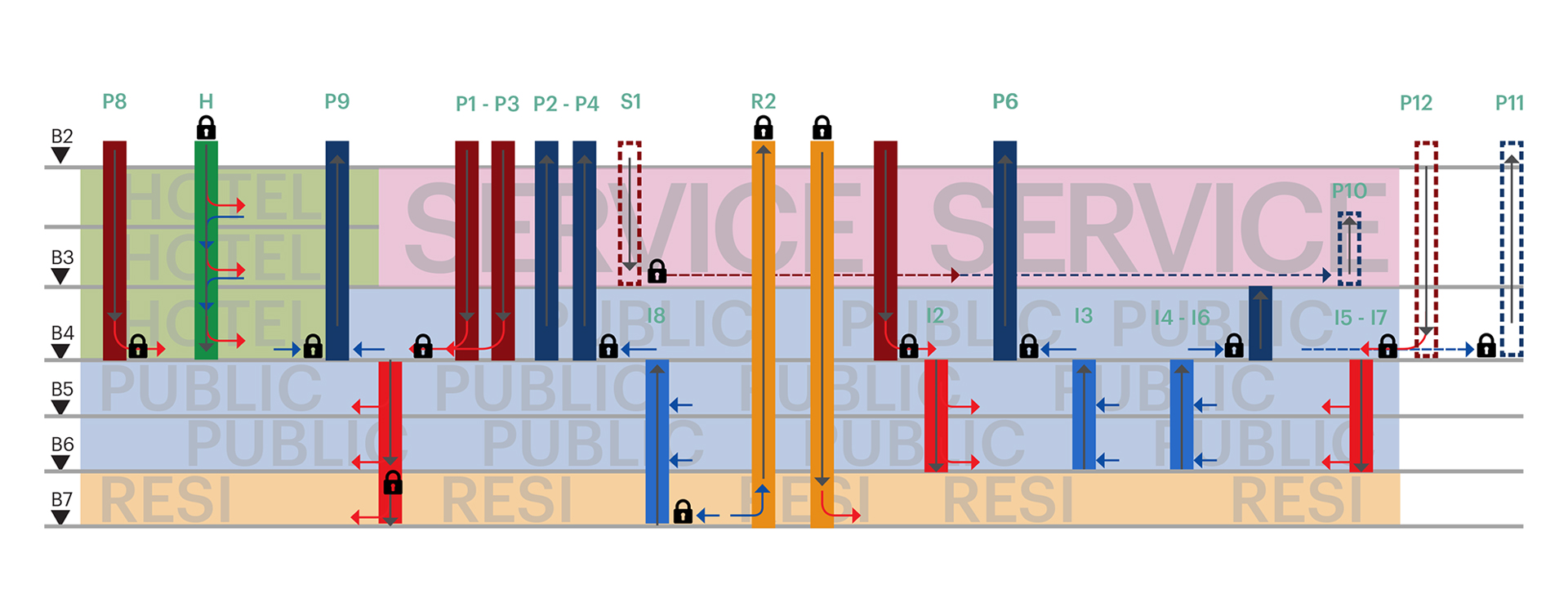
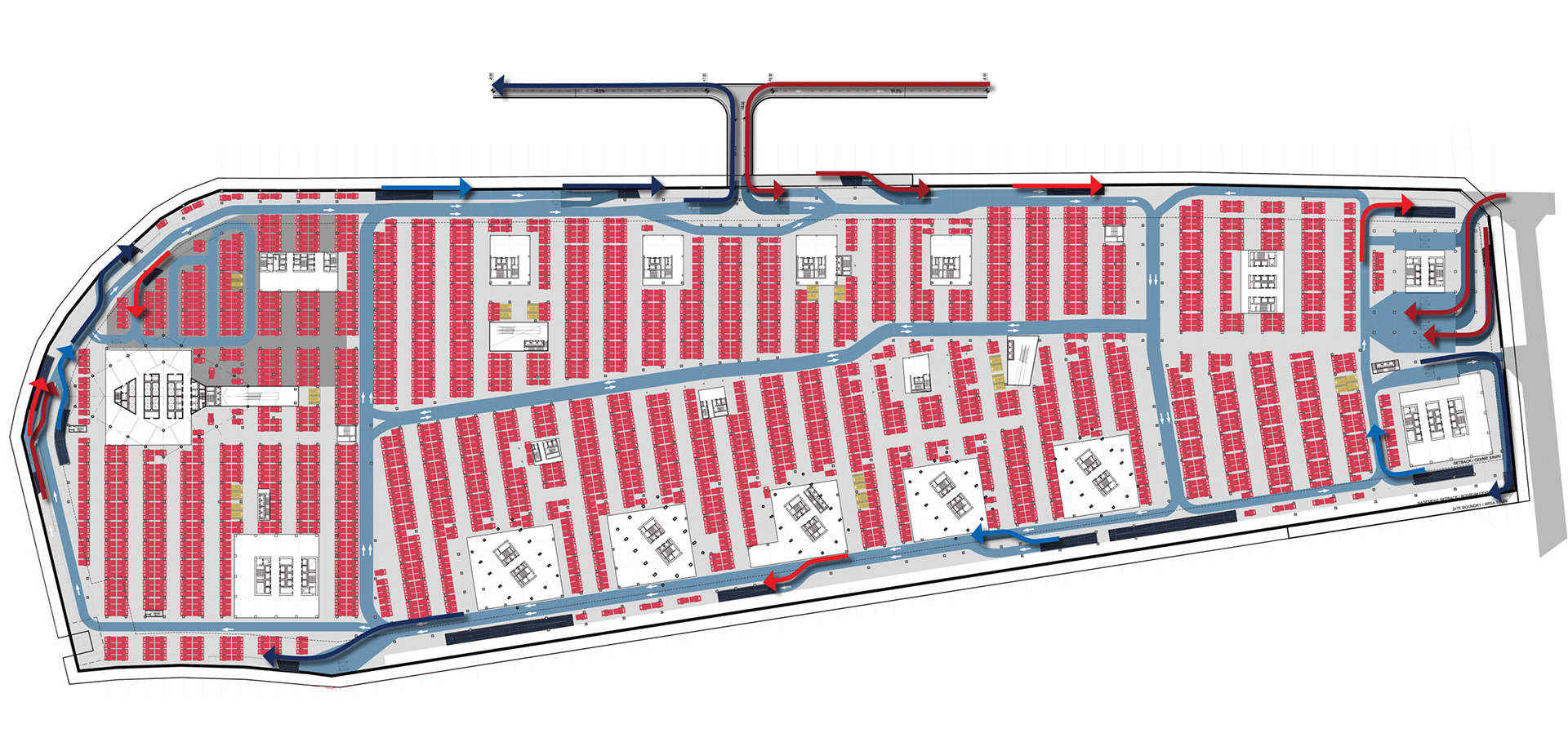
- Definition of parking areas and organisation of car parks providing approximately 11,000 spaces
Project gallery
Our contribution
MIC-HUB’s support of the design team in developing the transport and mobility strategy for the masterplan ensured that it was aligned with Ankara’s broader transport planning framework and future mobility infrastructure.
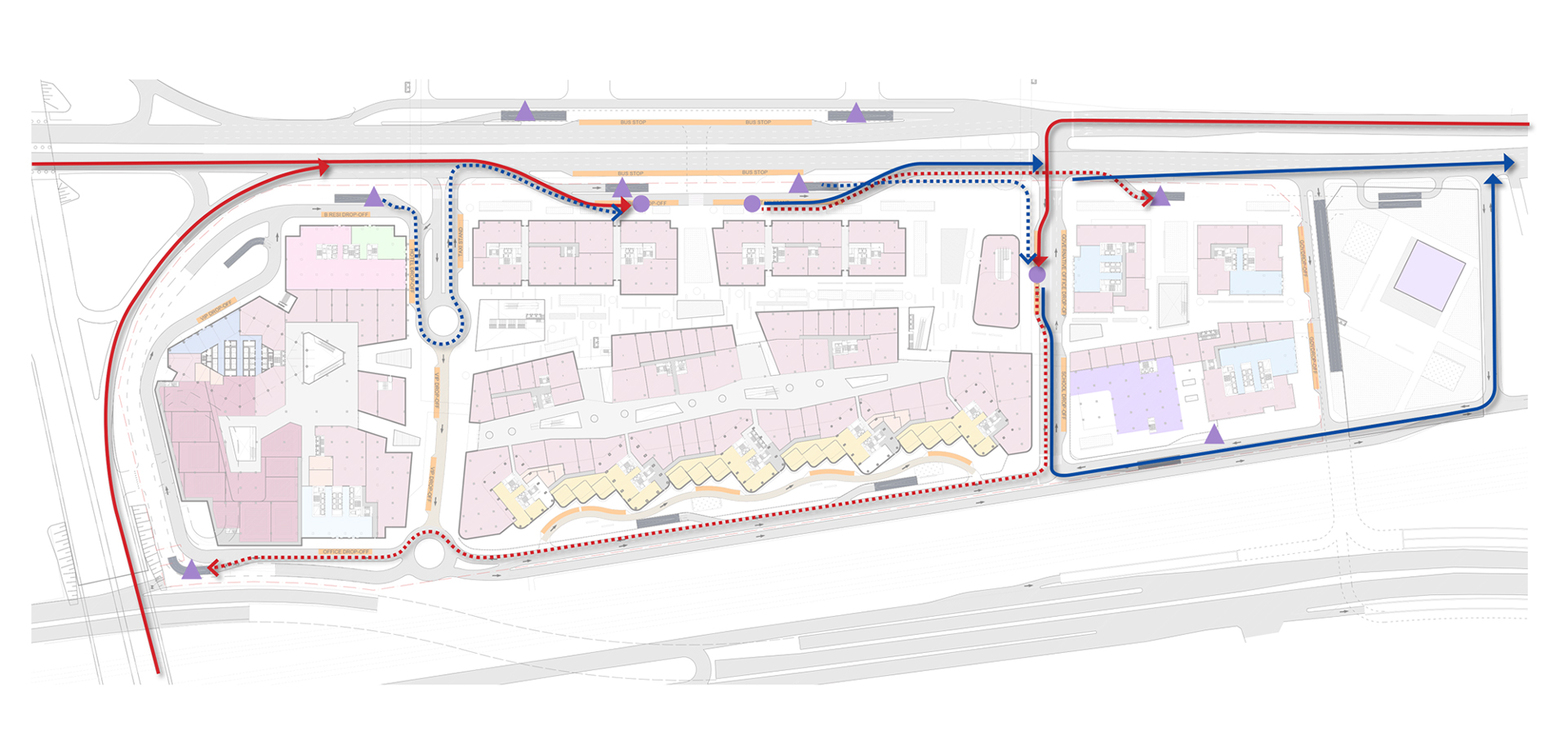
The work centred on integrating the new district into the surrounding urban network and coordinating mobility systems with the architectural design to enable efficient accessibility and walkability, as well as managing complex flows within a high-density, mixed-use environment.
One of the most challenging aspects of the project was designing and reconfiguring the surrounding road network due to the site's physical constraints and the significant traffic demand expected from the development. Another key component of the study was defining the car park strategy and layout, which includes approximately 11,000 parking spaces to serve the various functions of the mixed-use complex.
To support the design process, traffic counts and trip generation analyses were carried out to estimate future mobility demand. These studies informed the development of a traffic microsimulation model, which was used to test multiple scenarios for the reconfiguration of the road network and to evaluate the impact of the new development on the surrounding transport system.
The work allowed the team to evaluate traffic performance, accessibility and operational efficiency and make evidence-based decisions regarding the project's integration into Ankara's broader mobility network.