Varese city parking study
Varese, Italy
Efficient parking management is essential for developing a city's mobility strategies and policies.
The Municipality of Varese wished to assess the potential for expanding the on-street paid parking system. Two main aspects were considered in this analysis: parking demand and the actual supply of parking spaces, as well as other related critical issues.
MIC-HUB collaborated with the parking operator A.V.T. and the Municipality of Varese to provide an up-to-date analysis of how the public parking system functions in the municipal area. This analysis was based on a solid study of available data, supplemented by on-site surveys, to investigate specific areas and issues.
Location
Varese, Italy
Client
Comune di Varese
Main expertise
Strategic Advisory on Transport & Accessibility; Parking Consultancy
PROJECT HIGHLIGHTS
- A total of almost 13,000 car number plates were surveyed
- The plates were surveyed during the day to understand how long they stayed in the parking spaces
- The survey was conducted hourly from 7.00 a.m. to 11.00 p.m.
Project gallery
-
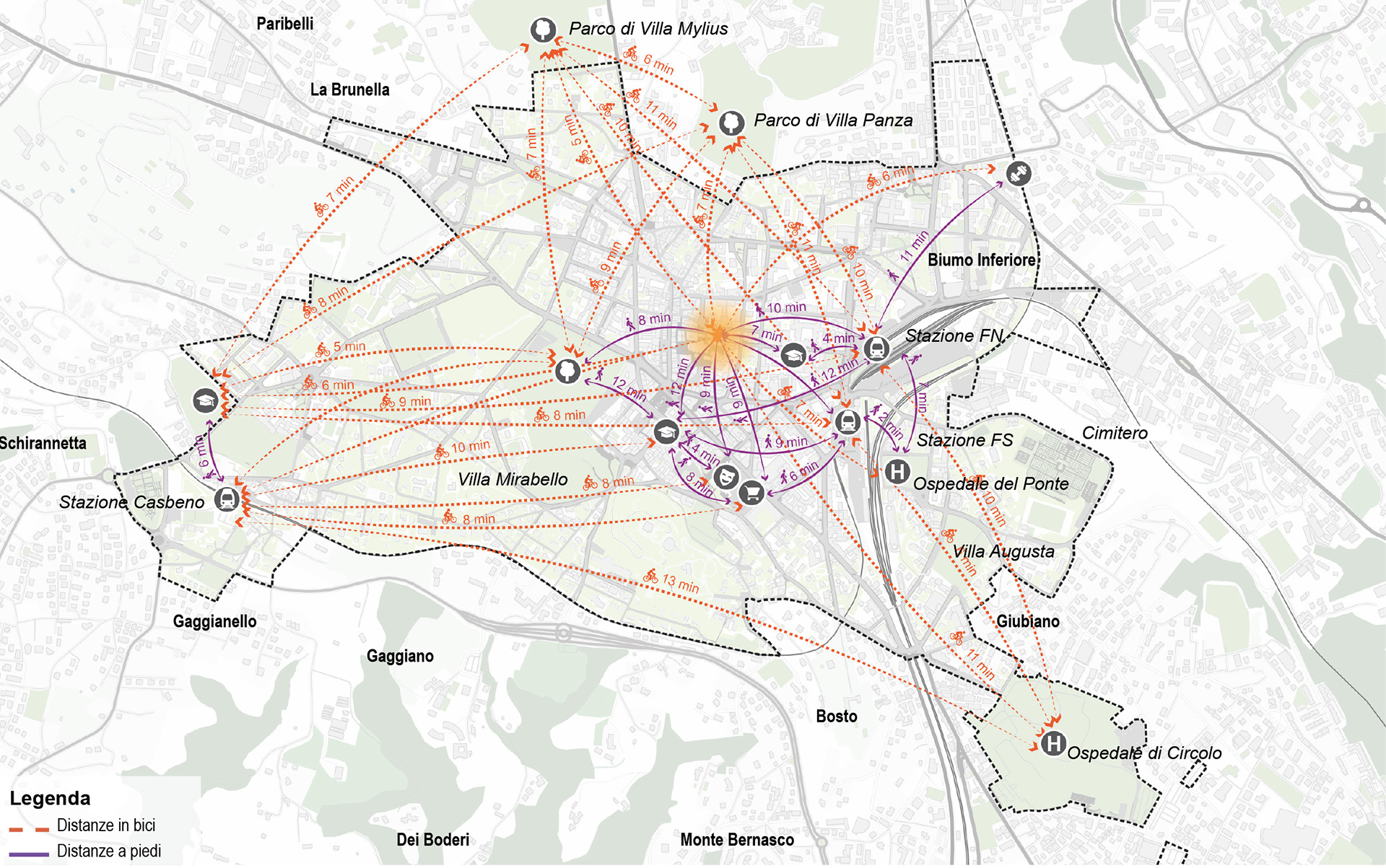
Proximity and density of points of interest within the study area: travel times on foot and by bicycle
-
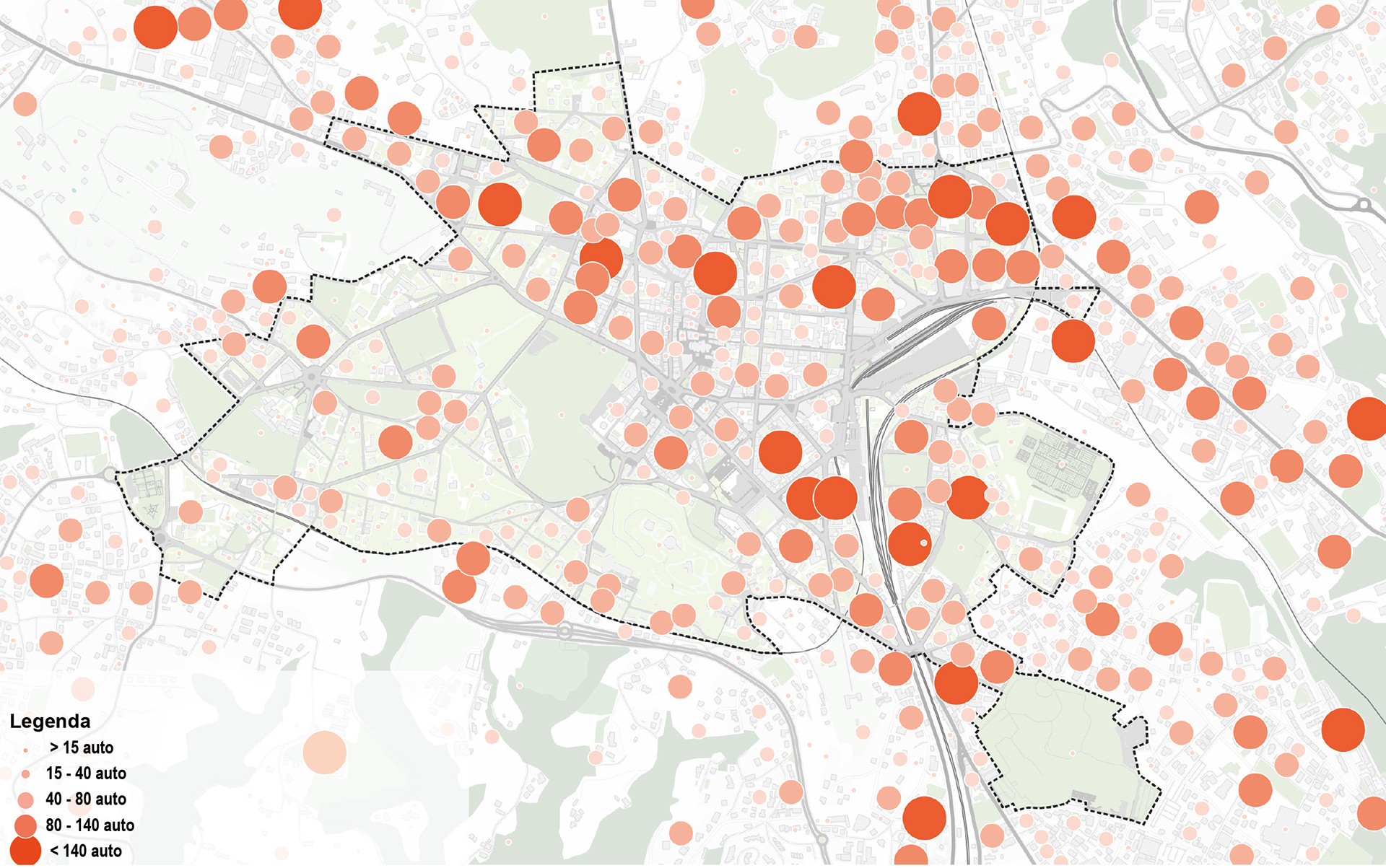
Average number of cars per census area
-
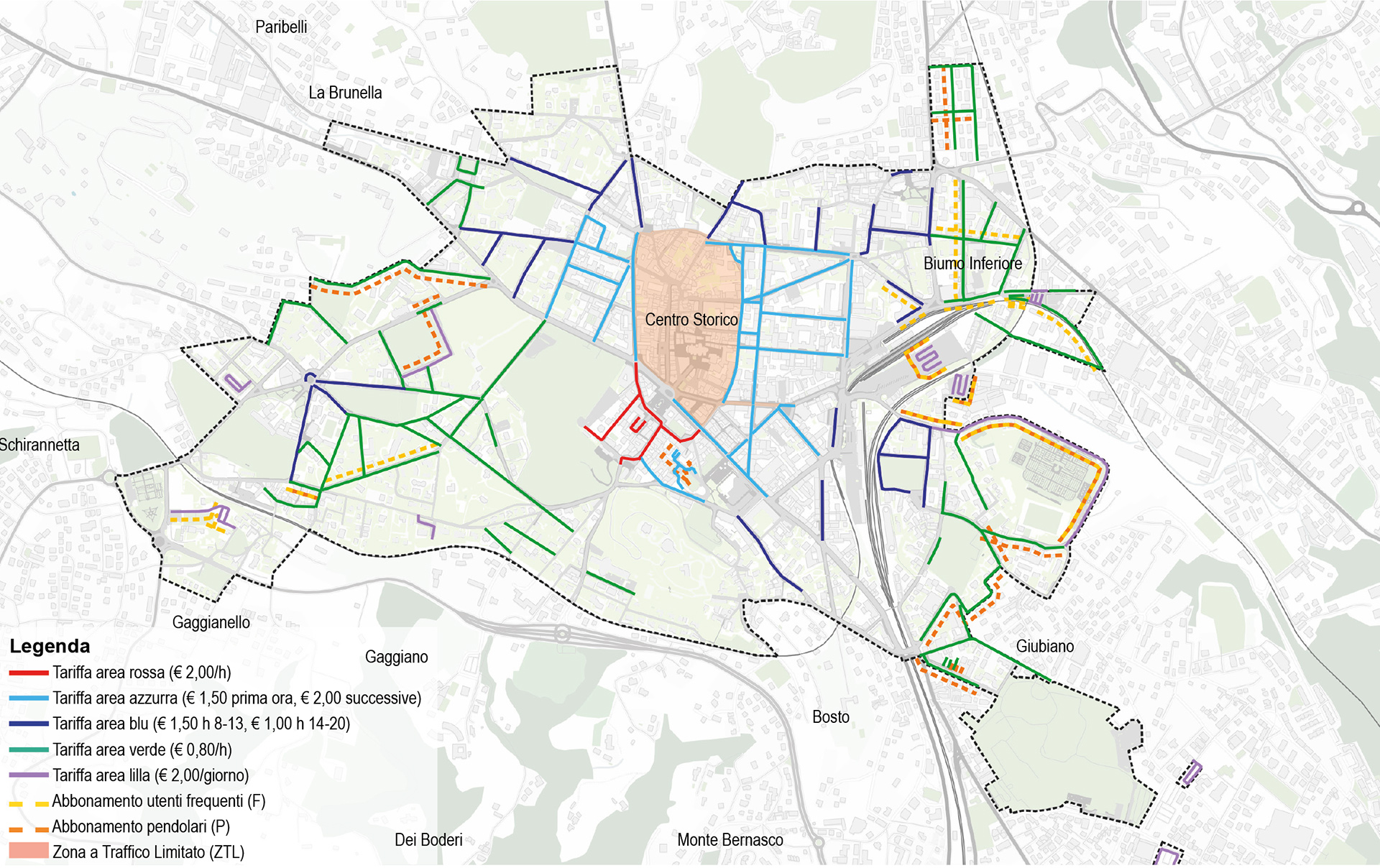
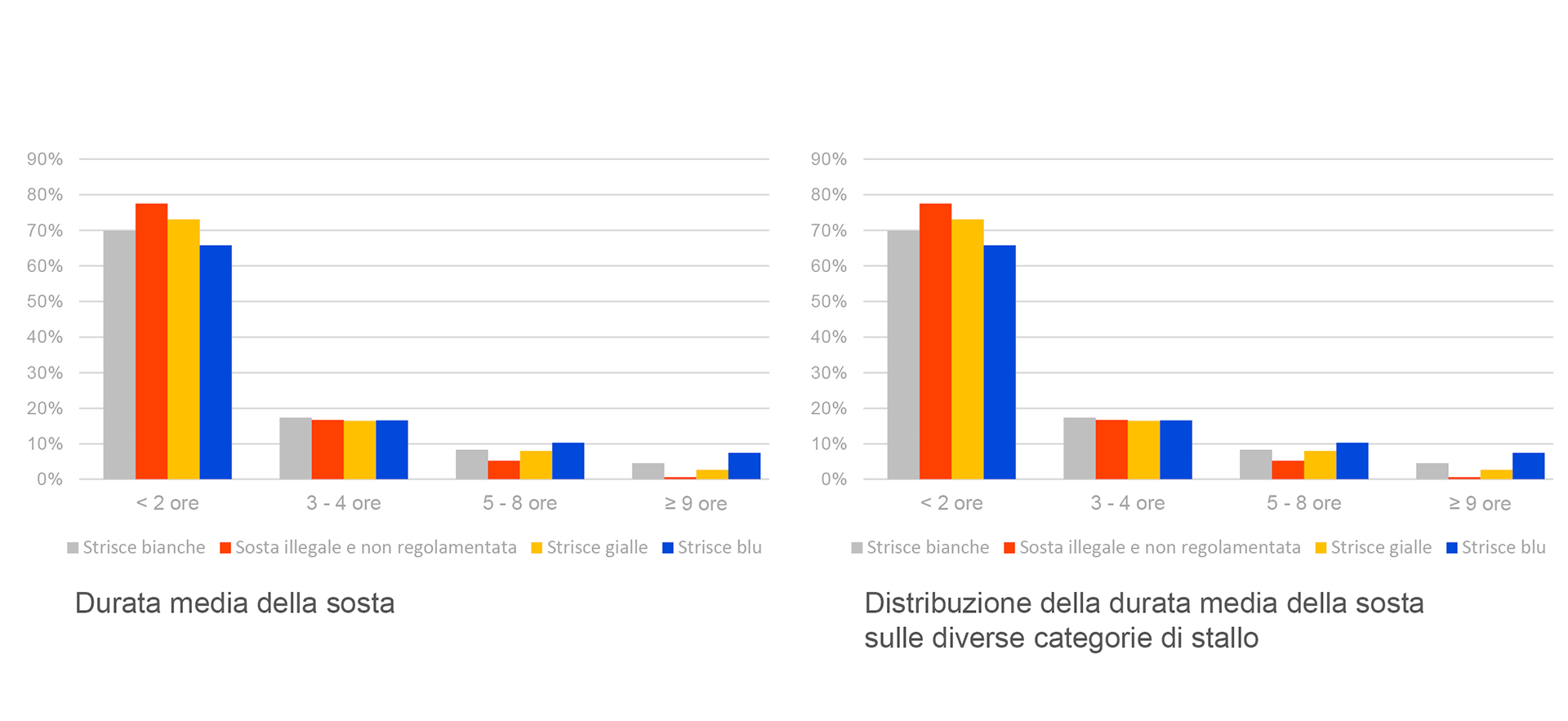
Types of roadside parking available in the city centre
-
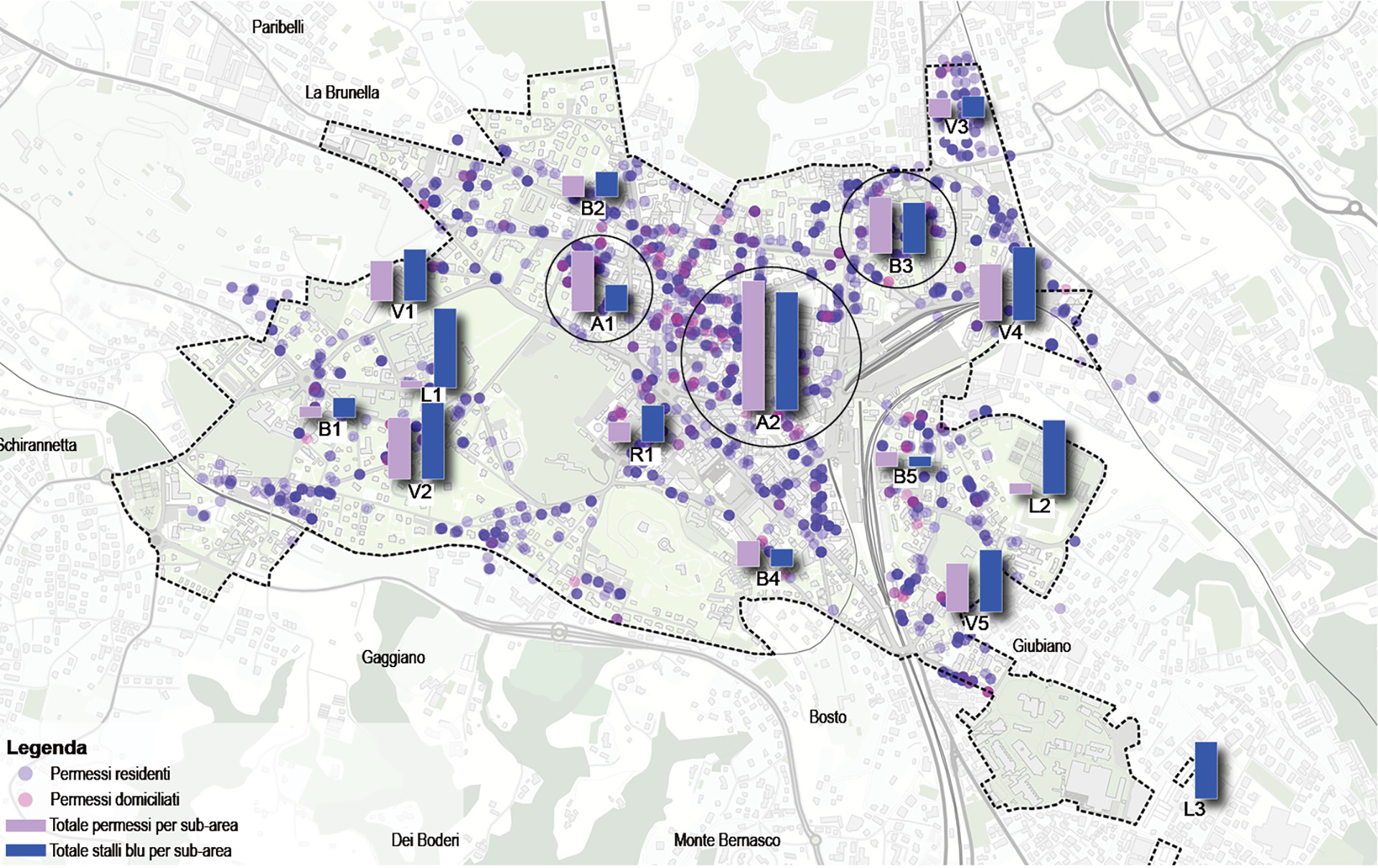
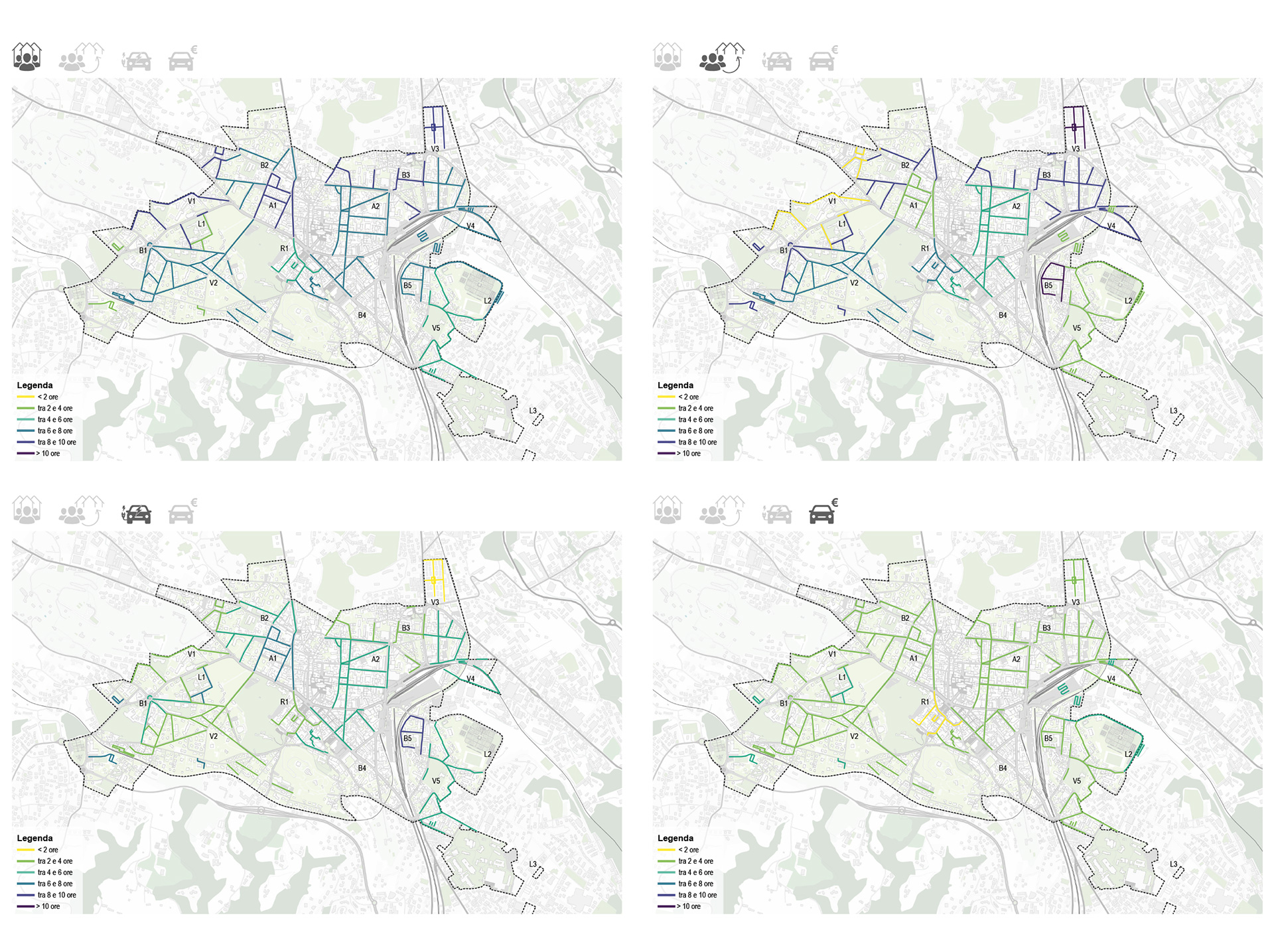
Comparison of the number of resident and domiciled permits with the availability of paid parking in each sub-area
-
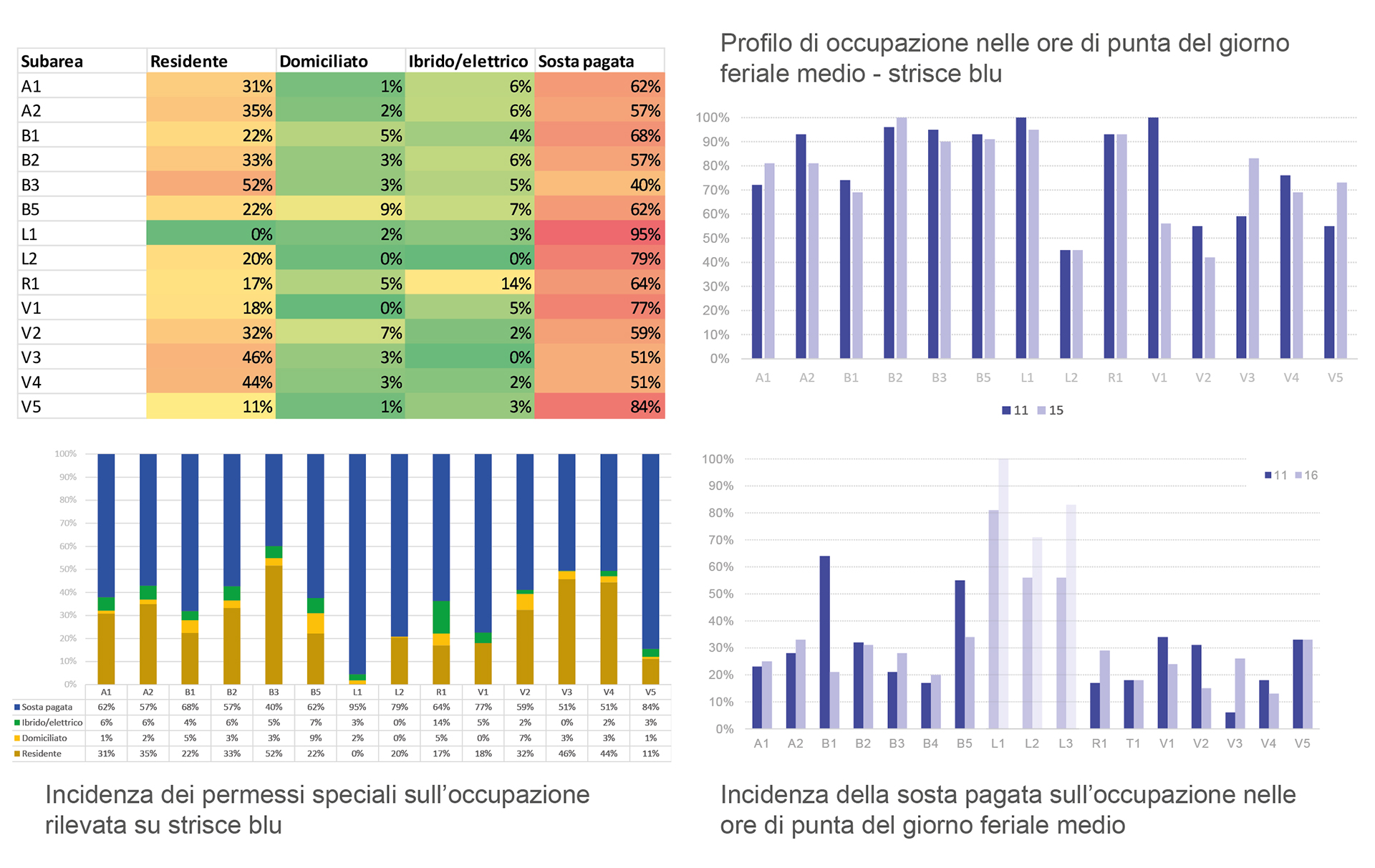
Impact of permits on parking availability
-
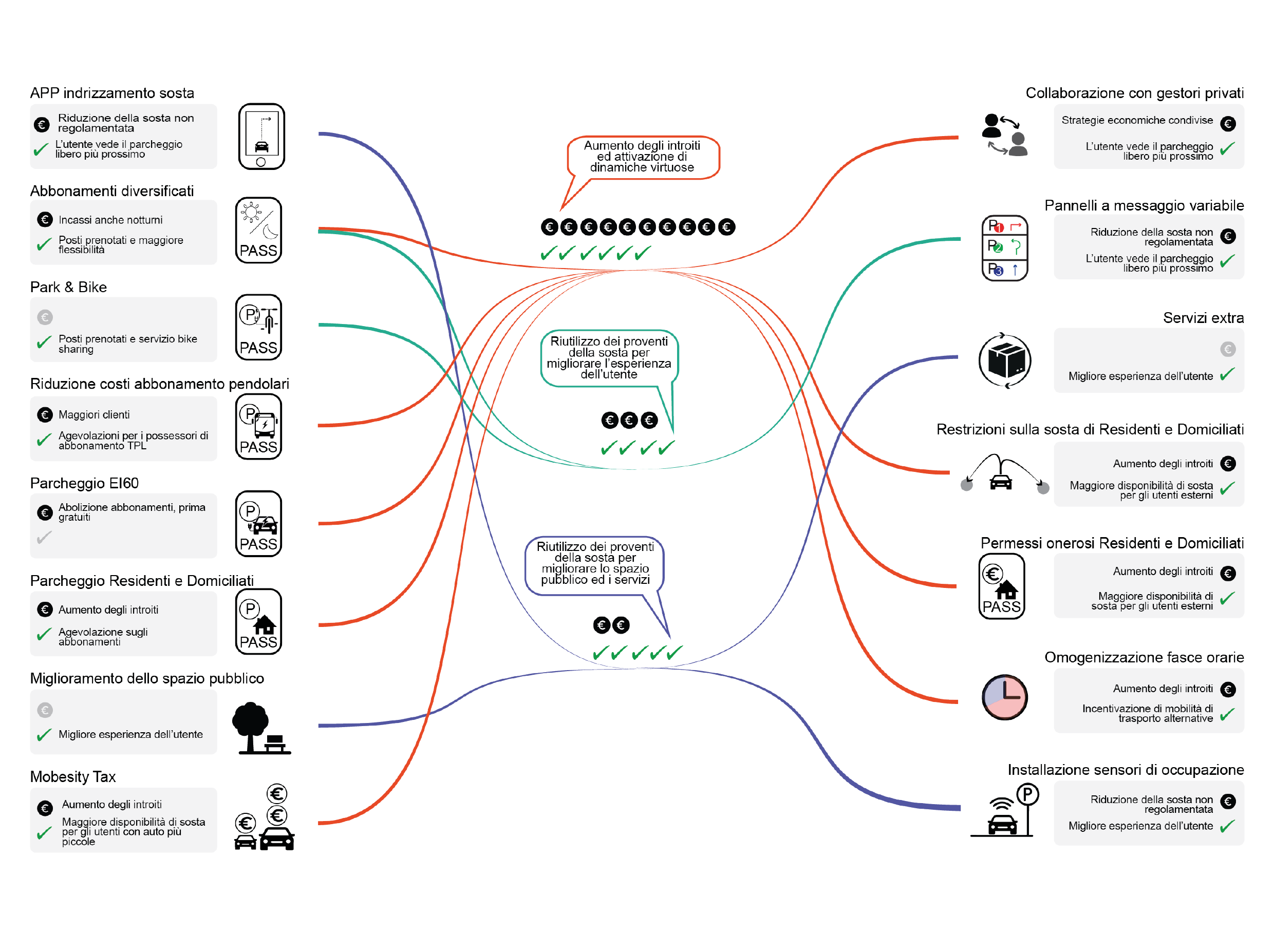
Overview of the proposed strategies
Our contribution
The investigations focused on the historic centre and areas with problems related to the parking system.
The on-site surveys highlighted the following key indicators: car occupancy, occupancy profile, average utilisation index, average length of stay of vehicles in a day, illegal parking, and parking permits.
In order to improve the management of the system, the following aspects were considered: payment methods, available parking infrastructure, possible shuttle buses from Park&Ride facilities to the city centre, the current system for monitoring parking payments, and permit use.
The analysis revealed that the functionality and efficiency of paid parking is negatively impacted by the availability of various free permits with virtually unlimited validity (resident and domiciled passes, hybrid and electric car passes).
MIC-HUB has developed a series of proposals that can be implemented in several phases to optimise parking management. These include:
• intervening on the characteristics of the charging areas, outlining high- and low-rotation zones;
• intervening on time slots;
• intervening on the variety and free nature of existing permits;
• making season tickets more appealing;
• systematising parking management policies with local public transport and active mobility.
Revenue generated by the new parking strategies could finance measures to improve the general user experience in the city, or to fund urban regeneration projects.